

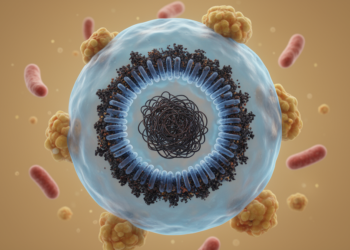
How Toxic Exposures Jam the Cell’s Nuclear Doorway in Parkinson’s Disease
New research shows that environmental neurotoxicants damage mitochondria in ways that break down the nuclear pore complex and disrupt nucleocytoplasmic ...
New research shows that environmental neurotoxicants damage mitochondria in ways that break down the nuclear pore complex and disrupt nucleocytoplasmic ...
A new review maps how the interconnected molecular pathology of angina with non-obstructive coronary arteries may demand multi-target therapies that ...
A new review argues that gut-derived short-chain fatty acids, especially butyrate, could protect newborn brains from hypoxic-ischemic injury by breaking ...
A new Nature Metabolism study shows that NADH-reductive stress damages primary human cells mainly through NADPH depletion, and that a ...

A new mouse study shows that neonatal overfeeding disrupts gut mucus development and depletes Akkermansia muciniphila, accelerating age-related muscle wasting ...
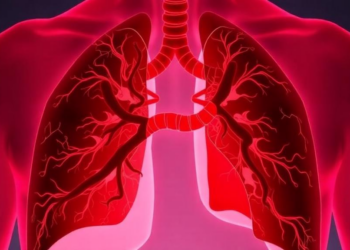
A new review argues that oxidized mitochondrial DNA acts as both a persistent inflammatory signal and a potential biomarker driving ...
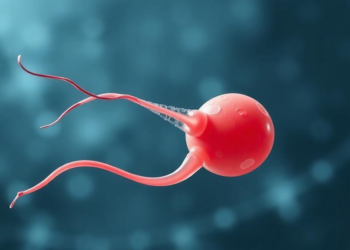
A new in vitro study shows that HFPO compounds marketed as safer PFOA replacements impair human sperm motility, acrosome reaction ...

A new review reveals that transition metals such as iron, copper, and chromium fundamentally alter the environmental fate, reactivity, and ...
A multi-omics study in Nature Communications reports a seven-feature blood-based diagnostic panel and a twelve-transcript prognostic signature that diagnose pediatric ...
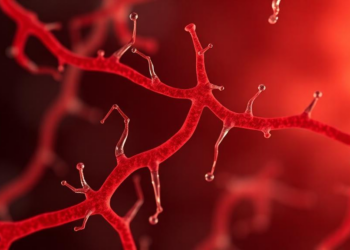
A mitochondrial-derived peptide called MOTS-c protects retinal blood vessels in diabetic retinopathy by activating the phospholipase PLA2G6 to clear damaging ...


Embark on a thrilling journey of discovery with Scienmag.com—your ultimate source for cutting-edge breakthroughs. Immerse yourself in a world where curiosity knows no limits and tomorrow’s possibilities become today’s reality!