


Tanzania’s Rising Pesticide Use Poses Growing Health and Environmental Risks
A 25-year systematic review finds pesticide use in Tanzania has surged since 2000, leaving farmers poisoned, food contaminated, and malaria ...
A 25-year systematic review finds pesticide use in Tanzania has surged since 2000, leaving farmers poisoned, food contaminated, and malaria ...
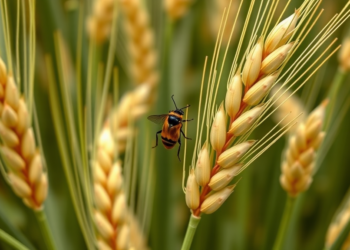
A genome-wide association study of 640 wheat accessions has identified six aphid-tolerant lines, 110 associated SNP loci, and six candidate ...
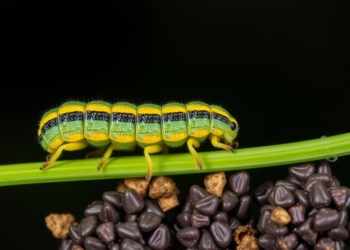
New research shows that the order in which entomopathogenic nematodes and fungi are applied determines whether their combined attack on ...
A comprehensive review shows that artificial intelligence, from hyperspectral sensing and climate-driven forecasting to autonomous drones and ground robots, is ...
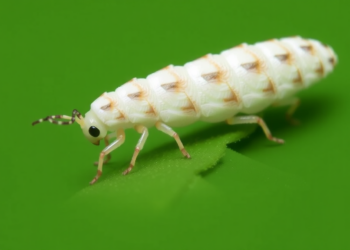
Laboratory selection over fifteen generations drove the cotton leafworm to more than 400-fold resistance to chlorantraniliprole, with genetic analysis revealing ...
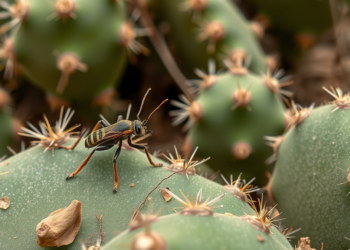
A deliberately introduced cochineal insect has destroyed over 96,000 hectares of cactus pear in Tigray, Ethiopia, causing an estimated USD ...

A new review highlights how microalgae and cyanobacteria can serve as sustainable, circular-economy biopesticides against insects, fungi, weeds, and nematodes.
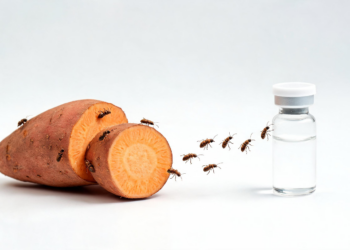
A new review synthesizes decades of chemical ecology research showing that the sweet potato weevil's sex pheromone and plant volatiles ...


Embark on a thrilling journey of discovery with Scienmag.com—your ultimate source for cutting-edge breakthroughs. Immerse yourself in a world where curiosity knows no limits and tomorrow’s possibilities become today’s reality!