


Arabian Fossil Reveals Earliest Known Relative of Ancient Giant Civet Lineage
Paleontologists in Abu Dhabi have discovered a seven-million-year-old viverrid jaw that documents intercontinental carnivoran dispersal between Asia and Africa.
Paleontologists in Abu Dhabi have discovered a seven-million-year-old viverrid jaw that documents intercontinental carnivoran dispersal between Asia and Africa.

Laboratory amputation experiments on horseshoe crabs show that wound remodeling requires molting, revealing that most sharp-edged trilobite injuries have gone ...
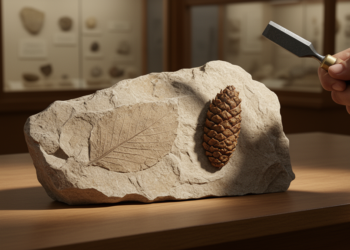
A fossil compilation shows tree genus richness in Western and Central Europe fell 75 percent after its Miocene peak, filtering ...
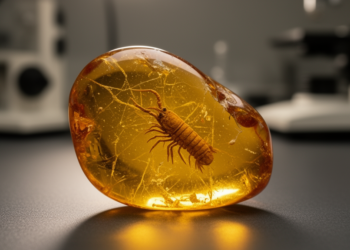
A newly described crustacean, Tanaidaurum kachinensis, preserved in 100-million-year-old Kachin amber from Myanmar is the first Cretaceous tanaidacean recorded outside ...

Three fossil beetle larvae with bristly lateral processes, preserved in Cretaceous Kachin and Miocene Mexican amber, are identified as probable ...

A study of living and fossil ferns finds that sugar-conducting sieve cells became smaller through geological time, implying a substantial ...

A genetic and fossil analysis indicates that barn owls first reached and diversified in the Caribbean before dispersing to the ...
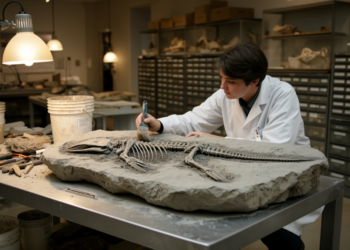
A computational analysis found that separate proxies for marine rock availability and collection effort did not fully explain plesiosaur diversity ...
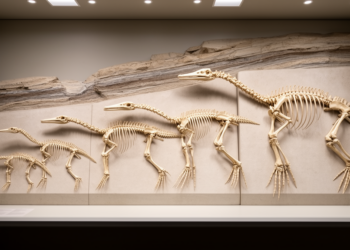
An analysis of 712 plesiosaur specimens finds that osteologically immature fossils become more frequent through geological time, a pattern consistent ...
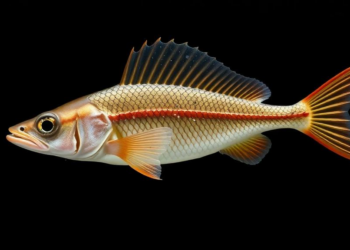
Three fossil fish species from a 244-million-year-old German quarry push the earliest accepted record of stem teleosts backward and reveal ...


Embark on a thrilling journey of discovery with Scienmag.com—your ultimate source for cutting-edge breakthroughs. Immerse yourself in a world where curiosity knows no limits and tomorrow’s possibilities become today’s reality!