

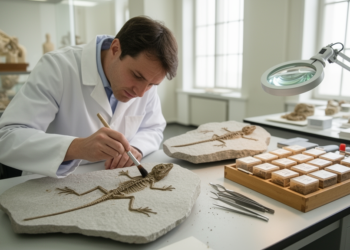
Lost Fossil Lizards from a German Paleocene Site Rewritten After Eight Decades
Rediscovered lizard fossils from the Paleocene site of Walbeck in Germany have been reclassified, revealing that lacertids, not amphisbaenians, dominated ...
Rediscovered lizard fossils from the Paleocene site of Walbeck in Germany have been reclassified, revealing that lacertids, not amphisbaenians, dominated ...
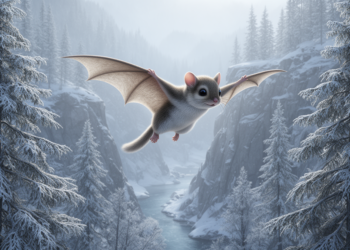
Fossil flying squirrels from Yumidong Cave in Chongqing record ice age coniferous forests and the regional extinction of cold-adapted gliders.
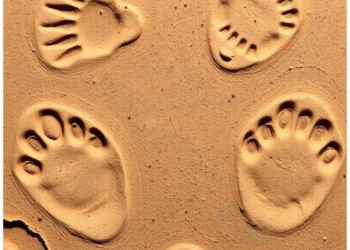
Fossilized bird and mammal footprints in Iran's Oligocene Lower Red Formation, including two newly named ichnotaxa and the first record ...
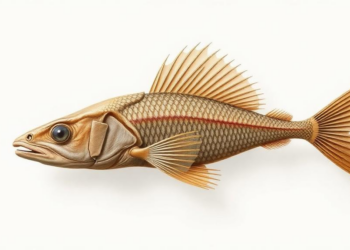
The Museum für Naturkunde Berlin marks 25 years of its open access palaeontological journal Fossil Record with a special volume ...
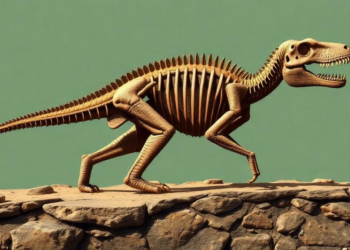
A special issue of Fossil Record marks the journal's 25th anniversary with new research on the fish-to-tetrapod transition and the ...
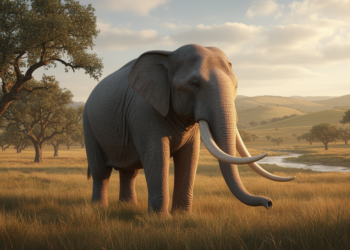
New research indicates that modern European climates remain highly suitable for the extinct straight-tusked elephant, suggesting that its loss has ...
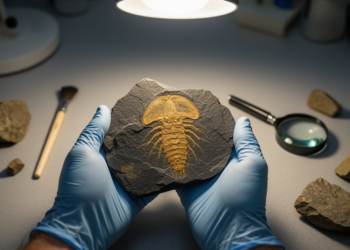
A newly described Silurian Naraoia specimen from New York State extends the range of the youngest naraoiid and, with paleo-elevation ...
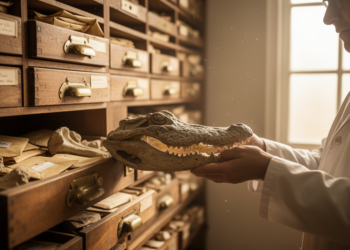
A re-description of crocodile fossils collected in Patagonia in 1924 confirms their status among the oldest known members of the ...
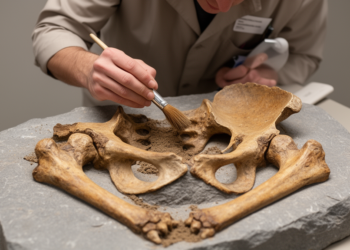
Microscopic analysis of 200-million-year-old hip bones from Metoposaurus shows the giant amphibian's hindlimbs played a minor role in swimming.
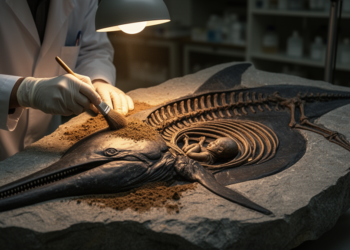
A newly described unborn baby inside a 240-million-year-old Besanosaurus leptorhynchus from Monte San Giorgio confirms tail-first birth in early giant ...


Embark on a thrilling journey of discovery with Scienmag.com—your ultimate source for cutting-edge breakthroughs. Immerse yourself in a world where curiosity knows no limits and tomorrow’s possibilities become today’s reality!