

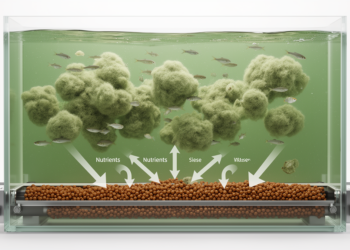
Microbial Flocks Turn Fish Waste Into Feed, Reshaping Sustainable Aquaculture
A new review finds biofloc technology converts nitrogenous waste into microbial protein while improving fish growth, immunity and disease resistance.
A new review finds biofloc technology converts nitrogenous waste into microbial protein while improving fish growth, immunity and disease resistance.
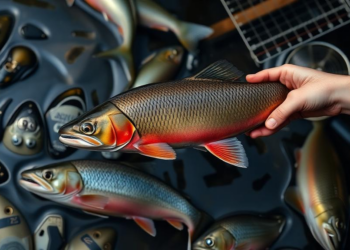
A multi-biomarker comparison links elevated metal accumulation and severe tissue damage in wild River Jhelum fish to greater health risks ...
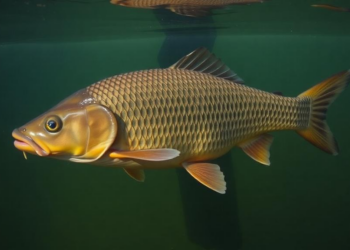
A five-year study of invasive gibel carp in Georgia's eutrophic Jandari Lake finds a depauperate parasite community dominated by direct-cycle ...
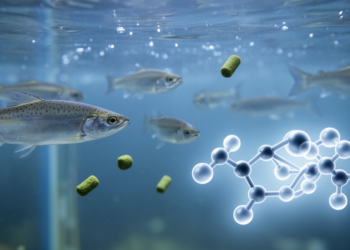
A Norwegian feeding trial shows that the ratio of EPA to DHA in salmon fry diets significantly affects growth and ...
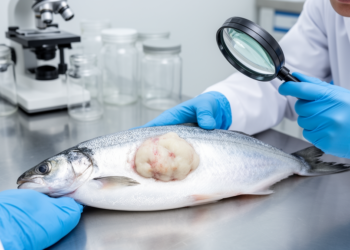
A surveillance study of 1,850 fish from the Arabian Gulf identified ten mesenchymal tumors, including lipomas, a rhabdomyoma, and a ...
An editorial in Advanced Biotechnology argues that microplastics and bisphenol A reprogram the immune and antioxidant defenses of farmed fish ...
A new review details how nanoparticles could clean aquaculture water, boost fish breeding and nutrition, and replace antibiotics in fish ...
A new review reveals that plant-based fish feeds carry estrogen-mimicking compounds that can boost growth at low doses but disrupt ...
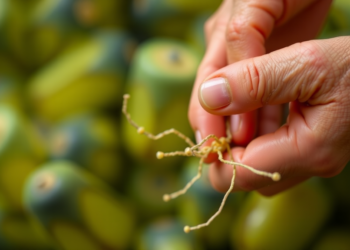
The Food and Agriculture Organization has renewed Mississippi State University's designation as an FAO Reference Centre on Antimicrobial Resistance and ...
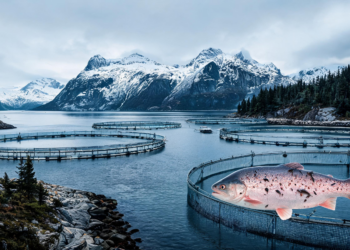
A review finds that protist parasites around Norwegian fish farms may both threaten fish health and reveal persistent coastal ecosystem ...


Embark on a thrilling journey of discovery with Scienmag.com—your ultimate source for cutting-edge breakthroughs. Immerse yourself in a world where curiosity knows no limits and tomorrow’s possibilities become today’s reality!