


Cameroon interviews reveal diverse motives for buying second-hand products
An exploratory study of 40 urban consumers in Cameroon found that second-hand purchases reflect economic constraints, environmental concerns, identity, social ...
An exploratory study of 40 urban consumers in Cameroon found that second-hand purchases reflect economic constraints, environmental concerns, identity, social ...

A survey of 401 Chinese college students found that greater GenAI literacy was associated with higher perceived shopping decision quality, ...
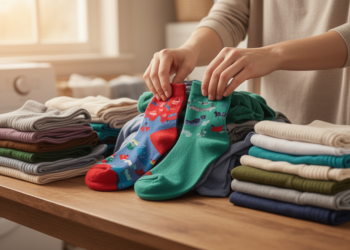
A new modeling study finds that deliberately pairing non-matching orphan socks can sustain daily sock service and reduce stranded wear-capacity ...

A survey of 300 Vietnamese consumers shows attractive KOLs boost green purchase intention through trustworthiness and green trust, with advertising ...

Three experiments involving 2,522 women linked ovulatory status with stronger preferences for visible luxury brands, while finding no increase in ...

A cross-sectional survey of chatbot users in Tbilisi linked stated use intention with trust, responsive interaction and anthropomorphic design, but ...

A randomized study of 410 Chinese consumers found that an AI disclosure label reduced perceived aesthetics, cultural meaning, usefulness and ...

A simulation of 227,596 grocery baskets estimated a median 23.4% basket-emissions reduction from checkout-time product substitutions, but all consumer-response findings ...

A randomized two-wave experiment in Japan found that sustainability-message framing changed consumers’ interpretations but not their self-reported food-waste practices, while ...

A dual-perspective study combining satellite imagery, POI data, and surveys maps Kunming's nighttime economy, revealing a polycentric spatial pattern and ...


Embark on a thrilling journey of discovery with Scienmag.com—your ultimate source for cutting-edge breakthroughs. Immerse yourself in a world where curiosity knows no limits and tomorrow’s possibilities become today’s reality!