

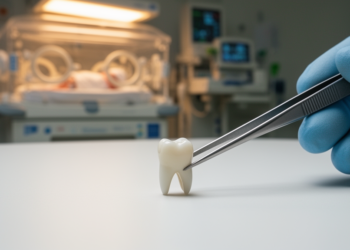
Baby Teeth Reveal the Hidden Chemical World of the Neonatal Intensive Care Unit
Researchers are using naturally shed baby teeth to reconstruct week-by-week metal exposure histories of preterm infants, revealing how the neonatal ...
Researchers are using naturally shed baby teeth to reconstruct week-by-week metal exposure histories of preterm infants, revealing how the neonatal ...

A national Swedish biomonitoring study of nearly 600 toddlers and preschoolers links seafood to arsenobetaine and methylmercury, plant-based alternatives and ...
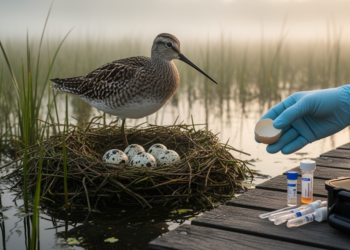
A study of three waterbird species at Iran's Gandoman Wetland shows that lead and cadmium in discarded eggshells exceed hazard ...
Researchers have trained convolutional neural networks on images from a modified 3D printer to automatically identify living, Rose Bengal-stained benthic ...

A two-year study of Black-headed Gull eggs from the southern Baltic Sea finds that every sample contains DDT metabolites and ...
A new NHANES-based analysis finds that shellfish and finfish account for more than half of Americans' intake of legacy PFAS ...

UL Research Institutes' Chemical Insights will present research on electric vehicle fire emissions, wildfire smoke, 3D printing resins and consumer ...
A study of seawater, brown algae, and seagrasses at four beaches in Cuba's Guanahacabibes National Park finds low trace metal ...
A new review in Environmental Geochemistry and Health argues that real-world co-exposure to cadmium, lead, arsenic, mercury and chromium may ...
A new evidence map of 126 studies shows artificial intelligence can accelerate PFAS toxicology and risk assessment, but only when ...


Embark on a thrilling journey of discovery with Scienmag.com—your ultimate source for cutting-edge breakthroughs. Immerse yourself in a world where curiosity knows no limits and tomorrow’s possibilities become today’s reality!