


Healthcare Workers Underestimate Formaldehyde Risks, Study Finds
A study in Frontiers in Public Health finds that healthcare workers in Spain underestimate formaldehyde risks compared to biological hazards, ...
A study in Frontiers in Public Health finds that healthcare workers in Spain underestimate formaldehyde risks compared to biological hazards, ...
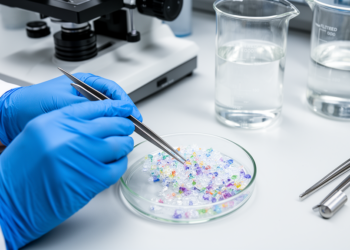
A critical review evaluates evidence on microplastic exposure pathways, biological mechanisms, and human tissue detection, noting that current health data ...

Researchers tracking coastal environments in Rivers State found that edible mangrove snails accumulate petroleum hydrocarbons despite sediment contamination measuring below ...

A narrative review links the Seveso dioxin accident, the BSE crisis and COVID-19 to argue for an operational One Health ...

A critical review argues that human microplastic toxicokinetic parameters are structurally non-identifiable because no existing dataset co-measures intake and elimination ...

A ten-year study of the large-lip killifish shows museum preservation cuts specimen weight by nearly 34 percent and permanently inflates ...

Researchers have published a protocol for a systematic map that will catalogue all primary field evidence on whether algae can ...

A six-month survey of Ethiopia's Kuliya River found pollution-sensitive mayflies, stoneflies and caddisflies dominating the upstream site while tolerant midges ...
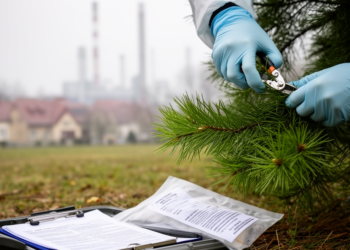
Pine needles from Scots pines revealed elevated trace element deposition near industrial and traffic sources in Starachowice, Poland, while peripheral ...
A new perspective article argues that emerging persistent organic pollutants require AI-driven monitoring, precautionary regulation, and an environmental justice focus.


Embark on a thrilling journey of discovery with Scienmag.com—your ultimate source for cutting-edge breakthroughs. Immerse yourself in a world where curiosity knows no limits and tomorrow’s possibilities become today’s reality!