

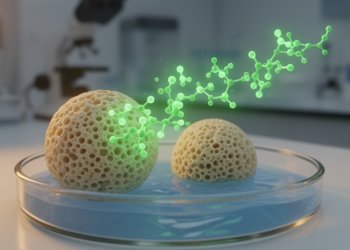
Immobilized Enzyme Shows Enhanced Stability for Alkane Bioconversion
Researchers immobilized the alkane-degrading enzyme LadA on a polymeric support, boosting its thermal and pH stability and enabling reuse across ...
Researchers immobilized the alkane-degrading enzyme LadA on a polymeric support, boosting its thermal and pH stability and enabling reuse across ...
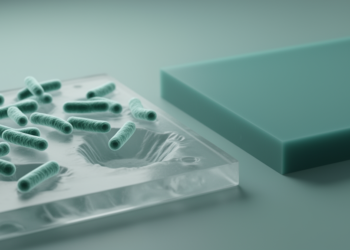
A new primer reports that Pseudomonas aeruginosa can substantially degrade bio-based polyesters such as polycaprolactone but only partially modifies recalcitrant ...
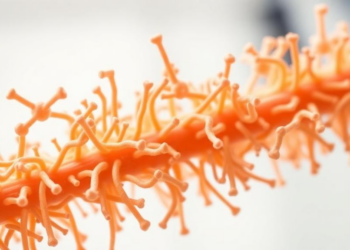
Researchers report that the bacterium Serratia liquefaciens degraded kraft lignin by 53 percent in 120 hours and reduced its phytotoxicity ...

A newly isolated soil bacterium, Paracoccus kondratievae 6H01, degraded 35.58 percent of erythromycin at 320 milligrams per liter within 72 ...
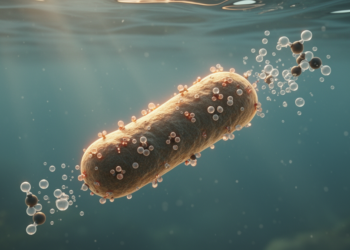
A Nigerian research team found that Leucobacter aridicollis strain conR completely degraded propylparaben and ethylparaben and removed 92 percent of ...

A new opinion article argues that parent-PFAS disappearance alone cannot establish biodegradation, and that claims of defluorination and destruction require ...
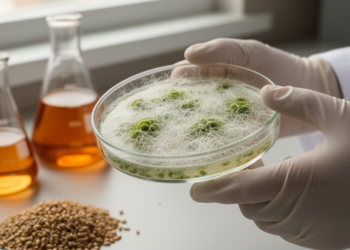
A new narrative review finds fungi can degrade or bind a broad range of chemical food contaminants, but applying mycoremediation ...
A Vibrio parahaemolyticus strain isolated from the Adriatic Sea formed biofilms on low-density polyethylene strips and caused measurable weight loss ...
Researchers in India have shown that a bacterium isolated from a Kolkata dumping ground can convert sugarcane bagasse waste into ...
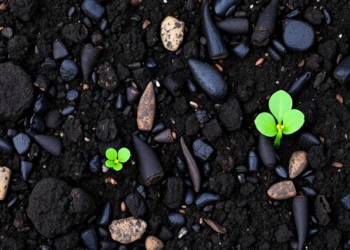
A new review in Microbial Ecology details how combining biochar with Pseudomonas bacteria boosts crop growth and pollutant breakdown, while ...


Embark on a thrilling journey of discovery with Scienmag.com—your ultimate source for cutting-edge breakthroughs. Immerse yourself in a world where curiosity knows no limits and tomorrow’s possibilities become today’s reality!