

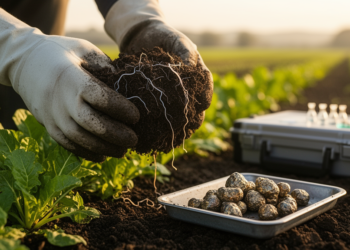
Plants and microbes could turn contaminated soil cleanup into resource recovery
A new review proposes treating phytoremediation biomass as a resource for energy, fertilisers, and metals rather than waste.
A new review proposes treating phytoremediation biomass as a resource for energy, fertilisers, and metals rather than waste.
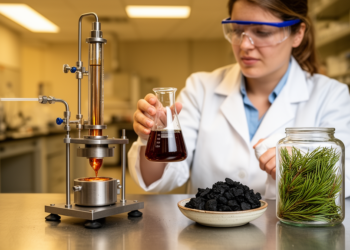
Researchers optimized bench-scale pyrolysis of Himalayan pine needles, producing bio-oil and carbon-rich biochar at a 500-gram loading far larger than ...
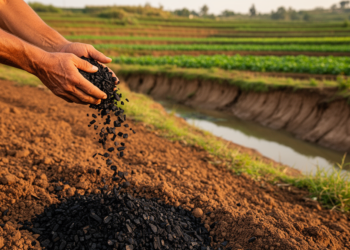
A new scenario-based framework values the gross ecosystem-service co-benefits of biochar-mediated soil erosion control at €2.80 to €24.19 per hectare ...

A bibliometric analysis of Web of Science records from 2020 to 2024 maps biochar research trends, key authors, institutions and ...
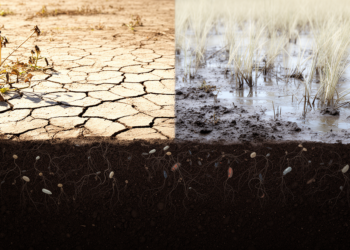
A systematic review of 77 studies synthesizes how extreme drought, flooding and rapid drying-rewetting cycles disrupt soil microbial biomass, enzyme ...
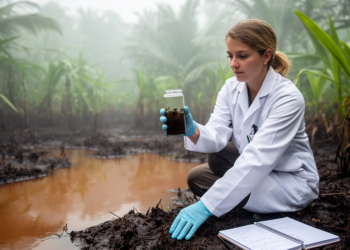
A Perspective in Frontiers in Microbiology argues that tropical peatland microbiomes should be treated as policy-relevant components of peatland governance ...

Iron catalysts supported on almond-shell biochar converted up to 87 percent of CO2 into carbon monoxide at 750 degrees Celsius ...
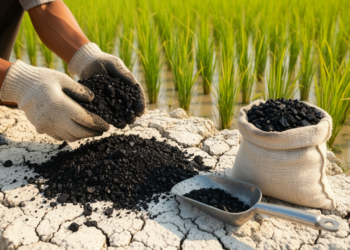
A soil amendment study found that a zinc-modified rice husk biochar pyrolyzed at 600°C was the most effective material for ...

A laboratory study links faster electron transfer by dissolved black carbon to higher pyrolysis temperatures, smaller particles and shifts toward ...

Walnut shell biochar pretreated with NaOH achieved the highest dibutyl phthalate adsorption capacity of 7.08 mg per gram and retained ...


Embark on a thrilling journey of discovery with Scienmag.com—your ultimate source for cutting-edge breakthroughs. Immerse yourself in a world where curiosity knows no limits and tomorrow’s possibilities become today’s reality!