


Study Identifies Four Distinct Beekeeping Systems Across Central Mexico
A socioecological study identifies four distinct beekeeping systems in central Mexico to support tailored regional apicultural strategies.
A socioecological study identifies four distinct beekeeping systems in central Mexico to support tailored regional apicultural strategies.

An exploratory study indicates that beeswax submerged during extreme flooding accumulates significantly higher concentrations of lead, zinc, mercury, and polycyclic ...

Targeting dopamine signaling prevents caged honeybees from developing an oral preference for the neonicotinoid insecticide thiamethoxam.
A new Frontiers in Insect Science editorial gathers six studies showing that parasitic mites, viruses, pesticides and climate change are ...

A Czech study trained 358 schoolchildren to identify the invasive yellow-legged hornet, achieving 64.3 percent detection of a hidden specimen ...
For decades, beekeepers have focused their vigilance on one enemy above all: the Varroa mite. Now, evidence is mounting that ...
A comprehensive review from Frontiers in Bee Science maps the techniques, challenges, and opportunities that could transform African beekeeping from ...
A new review shows how 16S rRNA gene sequencing can detect bee brood pathogens early, rule out false suspicions, and ...
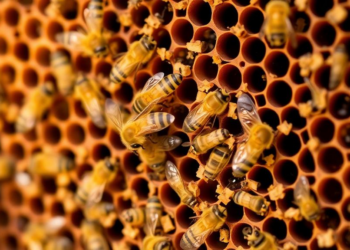
Researchers isolated hive-associated Bacillus species whose protein-rich lysate protects honeybee larvae from American Foulbrood while leaving adult bees and their ...
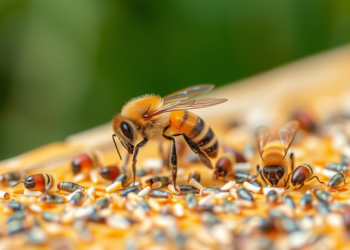
A sub-$200 edge device that fuses hive video, audio, and environmental data has cut varroa mite false alarms from 27 ...


Embark on a thrilling journey of discovery with Scienmag.com—your ultimate source for cutting-edge breakthroughs. Immerse yourself in a world where curiosity knows no limits and tomorrow’s possibilities become today’s reality!