A team of researchers in Japan has developed a method that produces more mature human heart muscle cells in the laboratory by doubling the chromosomes of induced pluripotent stem (iPS) cells before they differentiate. The strategy, reported online in the journal Communications Biology on August 17, 2026, reproduces in a culture dish a chromosome-doubling process that normally occurs as heart muscle cells mature inside the human body. The resulting tetraploid cardiomyocytes were larger, showed gene activity patterns closer to those of adult heart cells, contained more and better-functioning mitochondria, and contracted more strongly and rapidly than conventional diploid iPS cell-derived cardiomyocytes, according to the study conducted by the Regenerative Medicine Project at the Tokyo Metropolitan Institute of Medical Science together with collaborators at Institute of Science Tokyo and Nanion Technologies Japan K.K.
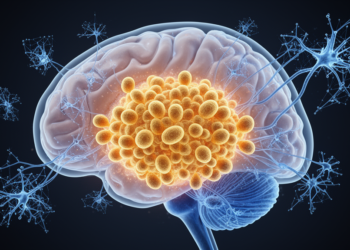
The research addresses a stubborn obstacle that has limited the medical usefulness of iPS cell-derived cardiomyocytes. Human iPS cells, which can be generated from a patient’s own cells and can differentiate into nearly any cell type, have opened a wide range of possibilities for medicine, and heart muscle cells made from them are considered among the most clinically promising applications, with transplantation trials already underway. Yet cardiomyocytes produced from standard iPS cells persistently remain immature, retaining properties that resemble an embryonic or fetal state rather than the fully functional tissue of an adult heart. That immaturity constrains their value for transplantation therapy aimed at heart failure, for testing the efficacy and safety of new drug candidates, and for building disease models that can illuminate the mechanisms of cardiac disease.
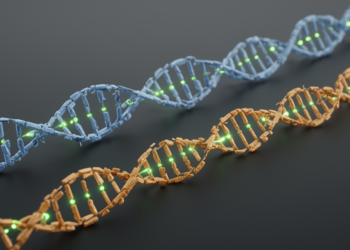
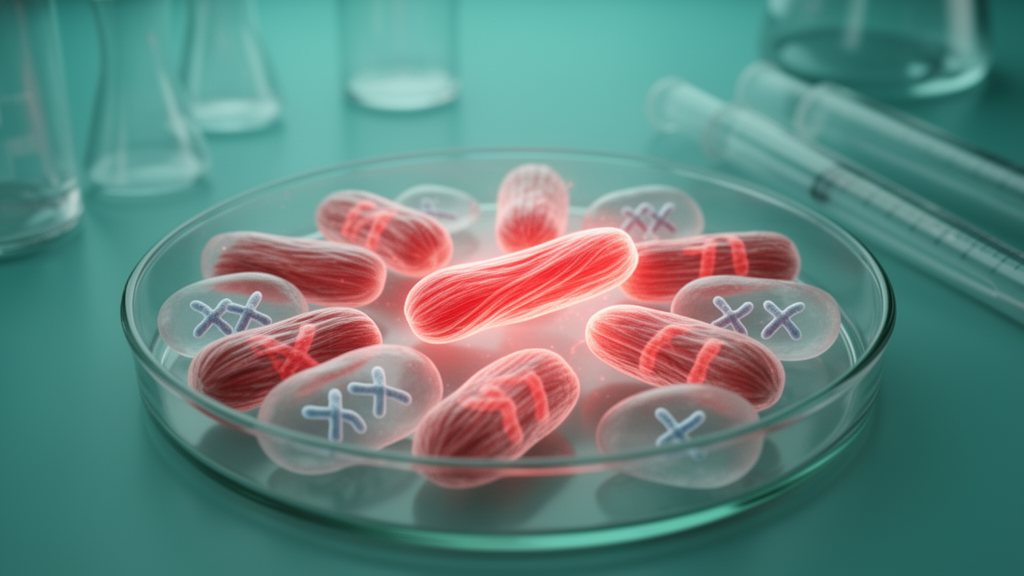
The insight behind the new work lies in a natural biological phenomenon called polyploidization. Most cells in the human body are diploid, carrying 23 pairs of chromosomes, a total of 46, with one copy of autosomes 1 through 22 and one sex chromosome inherited from each parent. In certain cell types, however, the number of chromosome sets increases as the cells mature. Cardiomyocytes and hepatocytes, the liver cells, are prominent examples. Roughly 80 percent of adult cardiomyocytes are tetraploid, meaning they contain four copies of each of the 23 chromosomes. This chromosome doubling accompanies functional maturation: in the fetal stage, cardiomyocytes are largely diploid and actively proliferate, but as they mature they stop dividing and become tetraploid.
Conventional iPS cell-derived cardiomyocytes rarely undergo this doubling. The research group, led by Project Leader Yuichiro Miyaoka, who also serves as an Associate Professor at the Graduate School of Medical and Dental Sciences at Institute of Science Tokyo and as a Visiting Associate Professor at Ochanomizu University, hypothesized that if tetraploid cardiomyocytes could be generated from iPS cells, the functional capabilities of these cardiac cells could be substantially improved. The team also included Ittetsu Nakajima, who was then a graduate student at Institute of Science Tokyo, and Mitsuyoshi Shimane of Nanion Technologies Japan K.K.
The experimental design required a conceptual reversal. Existing technologies could not directly tetraploidize cardiomyocytes after their differentiation from iPS cells. Instead of trying to double the chromosomes of the differentiated heart cells, the researchers chose to tetraploidize the iPS cells themselves first and only then drive them to become cardiomyocytes. To accomplish the fusion, the team used Sendai virus particles, agents with a well-established cell-fusing effect that are commonly employed in cell fusion protocols. By fusing pairs of diploid iPS cells, the researchers established lines of tetraploid iPS cells carrying four sets of chromosomes instead of the usual two.
The fused cells passed several critical quality checks. They were slightly larger in size than conventional diploid iPS cells, they stably maintained their four sets of chromosomes as confirmed by karyotype analysis, and they retained pluripotency, the defining capacity of iPS cells to differentiate into many cell types. This combination of stable tetraploidy and preserved pluripotency was the technical foundation that allowed the subsequent differentiation step. When the tetraploid iPS cells were directed to become cardiomyocytes, the resulting cells carried the doubled chromosome complement that their diploid-derived counterparts lacked.
Comparisons between cardiomyocytes derived from tetraploid and diploid iPS cells revealed a consistent pattern of enhanced maturity in the tetraploid-derived cells. Their larger cell size mirrored what occurs in vivo, where cardiomyocytes grow bigger as they mature. The team then used RNA sequencing to profile gene expression. In the tetraploid-derived cardiomyocytes, the expression of cell cycle-related genes was significantly downregulated compared with their diploid-derived counterparts. Given that cardiomyocytes in the body actively proliferate during the diploid fetal stage but stop dividing as they mature and become tetraploid, this reduction in cell cycle gene activity indicates that the tetraploid-derived cells possess gene expression profiles that closely resemble those of mature cardiomyocytes.
Energy metabolism provided further evidence of maturation. Cardiomyocytes require a substantial amount of energy to sustain their continuous contraction, and in the body their mitochondria increase in number and improve in function as the cells mature. Analysis of the tetraploid-derived cardiomyocytes showed an increase in both mitochondrial quantity and functional capacity, a shift consistent with the metabolic demands of mature heart tissue. Immunostaining for cardiac troponin T, a protein responsible for cardiomyocyte contraction, confirmed expression of the contractile machinery in the enlarged tetraploid-derived cells.
Electrophysiological analysis added a functional dimension to the findings. The researchers measured electrical impedance, a technique that detects how the internal cellular structure shifts as cardiomyocytes adhering to the bottom of a culture plate beat. The impedance measurements demonstrated that the tetraploid-derived cardiomyocytes contracted more strongly and rapidly than the diploid-derived ones, producing higher peaks and a faster rise to those peaks. Strong and fast contraction is a key characteristic of mature cardiomyocytes, so this result independently supported the conclusion that chromosome doubling pushed the laboratory-grown cells toward an adult-like functional state.
Beyond the immediate results, the technology carries broader implications. The researchers expect it to contribute to transplantation therapies for heart failure, to efficacy and safety testing of novel drug candidates, and to the construction of disease models for elucidating disease mechanisms. Because polyploidization is a natural feature of maturation in several other cell types as well, the approach is likely to prove useful for regenerative applications involving hepatocytes, skeletal muscle cells, megakaryocytes, which produce platelets, and osteoclasts, which resorb bone. The study, supported by funding from Japan’s Ministry of Education, Culture, Sports, Science and Technology and the Japan Society for the Promotion of Science through KAKENHI grants, along with the Terumo Life Science Foundation, the Advanced Pharmaceutical Research Promotion Foundation, and the Cardiovascular Research Promotion Foundation, was conducted as an experimental cell study. By overcoming the immaturity that has limited conventional diploid iPS cell-derived cardiomyocytes, the chromosome-doubling strategy is expected to significantly advance both regenerative medicine and drug discovery, and the Regenerative Medicine Project continues to develop therapeutic approaches for a range of diseases by applying genetic and cellular modifications to human iPS cells.
Subject of Research: Generating mature tetraploid cardiomyocytes from chromosome-doubled human iPS cells
Article Title: Recapitulation of tetraploidization of mature cardiomyocytes by fusion of iPS cells to enhance cardiac functions
Article References: Recapitulation of tetraploidization of mature cardiomyocytes by fusion of iPS cells to enhance cardiac functions. Original publication (Bibliographic details unavailable.)
Image Credits: AI Generated
DOI: Not provided
Keywords: iPS cells, cardiomyocytes, tetraploidization, cell fusion, Sendai virus, regenerative medicine, heart failure, drug testing, mitochondria, polyploidization, Communications Biology, maturation
Cite Scienmag News
Drew Townsend. (October 24, 2026). Scientists Double Chromosomes in iPS Cells to Grow More Mature Heart Muscle Cells. Scienmag. https://scienmag.com/scientists-double-chromosomes-in-ips-cells-to-grow-more-mature-heart-muscle-cells/
Drew Townsend. "Scientists Double Chromosomes in iPS Cells to Grow More Mature Heart Muscle Cells." Scienmag, 24 October 2026, https://scienmag.com/scientists-double-chromosomes-in-ips-cells-to-grow-more-mature-heart-muscle-cells/. Accessed 24 October 2026.
Drew Townsend. "Scientists Double Chromosomes in iPS Cells to Grow More Mature Heart Muscle Cells." Scienmag. October 24, 2026. https://scienmag.com/scientists-double-chromosomes-in-ips-cells-to-grow-more-mature-heart-muscle-cells/