

Tuesday, October 27, 2026
Science
No Result
View All Result
  • Login
  • HOME
  • SCIENCE NEWS
  • CONTACT US
  • HOME
  • SCIENCE NEWS
  • CONTACT US
No Result
View All Result
Scienmag
No Result
View All Result
Home Science News Social Science

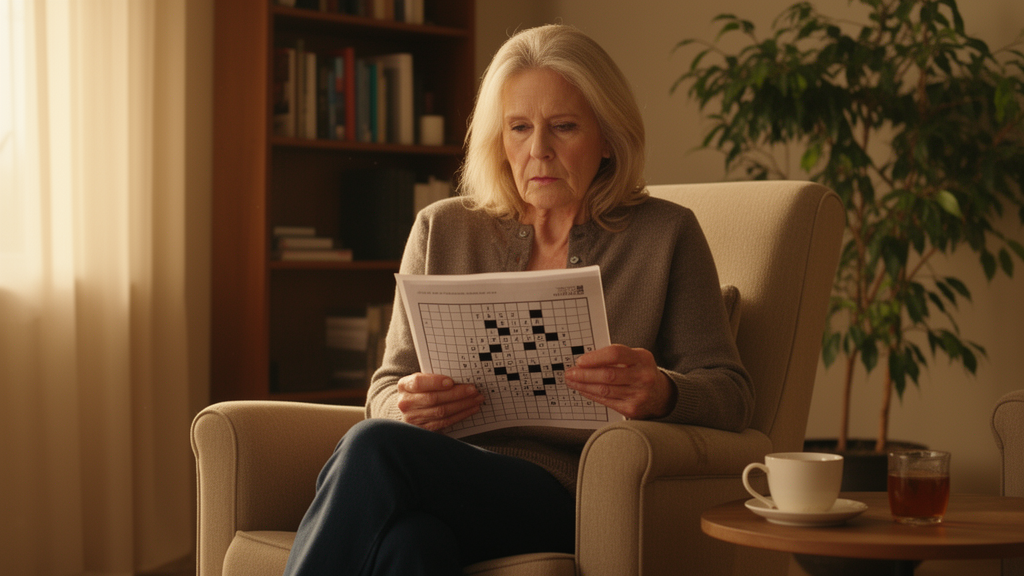
Psychological factors shape dementia risk, new perspective argues

October 27, 2026
in Social Science
Cassandra Pierce
By Cassandra Pierce Scienmag Editorial Profile - Systems Neuroscience
Reading Time: 3 mins read
0
Psychological factors shape dementia risk, new perspective argues

Psychological factors shape dementia risk, new perspective argues

65
SHARES
587
VIEWS
Share on FacebookShare on Twitter
ADVERTISEMENT

A perspective article published in Nature Mental Health on 23 October 2026 argues that psychological characteristics are emerging as a meaningful piece of the dementia puzzle, with evidence linking them to cognitive aging and the incidence of Alzheimer’s disease and related dementias now described as being in ascendance.

The article, authored by Natalie L. Marchant, David Bartres Faz, Josh Stott, Antonio Terracciano, Gael Chételat and colleagues, revisits a concept the team introduced ten years ago: psychological debt, previously termed cognitive debt. The idea describes how adverse psychological factors, such as depression, anxiety and particularly repetitive negative thinking, may contribute to the risk of developing Alzheimer’s disease and related dementias.

According to the authors, the field has expanded rapidly since that initial proposal. Recent work has begun to delineate psychological risk factors from protective ones, providing greater clarity on their respective roles in the pathogenesis of these dementias.

Among the risk factors highlighted in the synthesis are loneliness and neuroticism, alongside the previously identified depression, anxiety and repetitive negative thinking. On the protective side, the article points to conscientiousness and purpose in life as psychological characteristics associated with dementia-relevant outcomes.

The perspective does not simply catalogue these associations. It also proposes mechanisms through which psychological factors may act, using the framework of resistance and resilience. In this framing, risk and protective psychological factors interact with lifestyles and operate through these mechanisms to influence the risk of developing Alzheimer’s disease and related dementias, a relationship illustrated in a figure accompanying the article.

The authors are explicit that the work is a selective synthesis rather than a comprehensive review. They gather developments related to the identified risk and protective psychological factors and their associations with dementia-relevant outcomes, along with the mechanisms proposed to underlie those associations.

Methodological challenges receive dedicated attention in the article. The authors discuss key difficulties facing the field, an acknowledgment that associations between psychological characteristics and dementia outcomes remain an area where study design and interpretation matter considerably.

The perspective also points to emerging evidence endorsing psychological interventions, both for dementia prevention and for support of those affected. The authors characterize this evidence as emerging, indicating that interventional work in this area is still developing rather than settled.

Looking forward, the article outlines priorities for future research that incorporates psychology to advance dementia prevention. The authors frame this as a next step for a field that has, in their assessment, moved from a single proposed concept a decade ago to a rapidly expanding body of work spanning risk, protection, mechanisms and intervention.

As a perspective piece, the article synthesizes and interprets existing literature rather than presenting new experimental data. Its central claim is that psychological characteristics, spanning adverse factors such as loneliness, neuroticism and repetitive negative thinking and protective factors such as conscientiousness and purpose in life, warrant a place in research aimed at preventing and supporting people affected by Alzheimer’s disease and related dementias.

Subject of Research: Psychological risk and protective factors in cognitive aging and dementia

Article Title: Psychological risk, protection and support in the context of dementia

Article References: Marchant, N. L., Bartres Faz, D., Stott, J., Terracciano, A., & Chételat, G. (2026). Psychological risk, protection and support in the context of dementia. Nature Mental Health. https://doi.org/10.1038/s44220-026-00748-9

Image Credits: AI Generated

DOI: 10.1038/s44220-026-00748-9

Keywords: dementia, Alzheimer's disease, psychological debt, repetitive negative thinking, loneliness, neuroticism, conscientiousness, purpose in life, cognitive aging, resilience, dementia prevention, Nature Mental Health

Cite Scienmag News

Cassandra Pierce. (October 27, 2026). Psychological factors shape dementia risk, new perspective argues. Scienmag. https://scienmag.com/psychological-factors-shape-dementia-risk-new-perspective-argues/

Cassandra Pierce. "Psychological factors shape dementia risk, new perspective argues." Scienmag, 27 October 2026, https://scienmag.com/psychological-factors-shape-dementia-risk-new-perspective-argues/. Accessed 27 October 2026.

Cassandra Pierce. "Psychological factors shape dementia risk, new perspective argues." Scienmag. October 27, 2026. https://scienmag.com/psychological-factors-shape-dementia-risk-new-perspective-argues/


Tags: Alzheimer's diseasecognitive agingconscientiousnessdementiadementia preventiondementia risk factorsemerging perspectives on psychological influences in dementiaimpact of depression and anxiety on Alzheimer'sinfluence of purpose in life on cognitive healthlonelinessloneliness and neuroticism as dementia risk factorsmechanisms linking psychological factors to neurodegenerationmental health interventions for dementia risk reductionNature Mental Healthneuroticismprotective psychological traits against dementiapsychological characteristics and cognitive agingpsychological debtpsychological debt and cognitive declinepurpose in liferepetitive negative thinkingrepetitive negative thinking and dementia developmentresiliencerole of personality traits in dementia prevention
Share26Tweet16
Previous Post

NiCo alloy catalysts on nitrogen-doped carbon nanotubes split water efficiently

Next Post

Citric acid treatment and iron doping tune nickel catalysts for CO2 methanation

Related Posts

Education shapes not just average healthy lifespan but its full distribution in Europe
Social Science

Education shapes not just average healthy lifespan but its full distribution in Europe

October 27, 2026
Brain Sulcal Asymmetry Declines Stepwise with More Frequent Voice-Hearing in Schizophrenia
Social Science

Brain Sulcal Asymmetry Declines Stepwise with More Frequent Voice-Hearing in Schizophrenia

October 27, 2026
Locally led simulation training sharply improves laparoscopic skills in Ethiopia
Social Science

Locally led simulation training sharply improves laparoscopic skills in Ethiopia

October 27, 2026
Betta fish show incipient cooperative breeding, study finds
Social Science

Betta fish show incipient cooperative breeding, study finds

October 27, 2026
New book distils lessons on performing under pressure from elite athletes and coaches
Social Science

New book distils lessons on performing under pressure from elite athletes and coaches

October 27, 2026
Risk-taking runs deep: leaders in humans and chimpanzees alike show bolder streaks
Social Science

Risk-taking runs deep: leaders in humans and chimpanzees alike show bolder streaks

October 27, 2026
Next Post
Citric acid treatment and iron doping tune nickel catalysts for CO2 methanation

Citric acid treatment and iron doping tune nickel catalysts for CO2 methanation

  • Mothers who receive childcare support from maternal grandparents show more optimized

    Mothers who receive childcare support from maternal grandparents show more parental warmth, finds NTU Singapore study

    27656 shares
    Share 11059 Tweet 6912
  • University of Seville Breaks 120-Year-Old Mystery, Revises a Key Einstein Concept

    1061 shares
    Share 424 Tweet 265
  • Bee body mass, pathogens and local climate influence heat tolerance

    682 shares
    Share 273 Tweet 171
  • Researchers record first-ever images and data of a shark experiencing a boat strike

    546 shares
    Share 218 Tweet 137
  • Groundbreaking Clinical Trial Reveals Lubiprostone Enhances Kidney Function

    531 shares
    Share 212 Tweet 133
Science

Embark on a thrilling journey of discovery with Scienmag.com—your ultimate source for cutting-edge breakthroughs. Immerse yourself in a world where curiosity knows no limits and tomorrow’s possibilities become today’s reality!

RECENT NEWS

  • Children’s education-linked genetic scores differ in ties to mental health within families
  • Mass spectrometry assay tracks myeloma M-protein in blood without sequencing
  • Research report: Investigation of gear design parameters for soft-gear-driven self-propelled colonoscopy robot
  • Citric acid treatment and iron doping tune nickel catalysts for CO2 methanation

Categories

  • Agriculture
  • Anthropology
  • Archaeology
  • Athmospheric
  • Biology
  • Biotechnology
  • Blog
  • Bussines
  • Cancer
  • Chemistry
  • Climate
  • Earth Science
  • Editorial Policy
  • Marine
  • Mathematics
  • Medicine
  • Pediatry
  • Policy
  • Psychology & Psychiatry
  • Science Education
  • Science News
  • Social Science
  • Space
  • Technology and Engineering

Subscribe to Blog via Email

Enter your email address to subscribe to this blog and receive notifications of new posts by email.

Join 5,151 other subscribers

© 2025 Scienmag - Science Magazine

Welcome Back!

Login to your account below

Forgotten Password?

Retrieve your password

Please enter your username or email address to reset your password.

Log In
No Result
View All Result
  • HOME
  • SCIENCE NEWS
  • CONTACT US

© 2025 Scienmag - Science Magazine

Discover more from Science

Subscribe now to keep reading and get access to the full archive.

Continue reading