


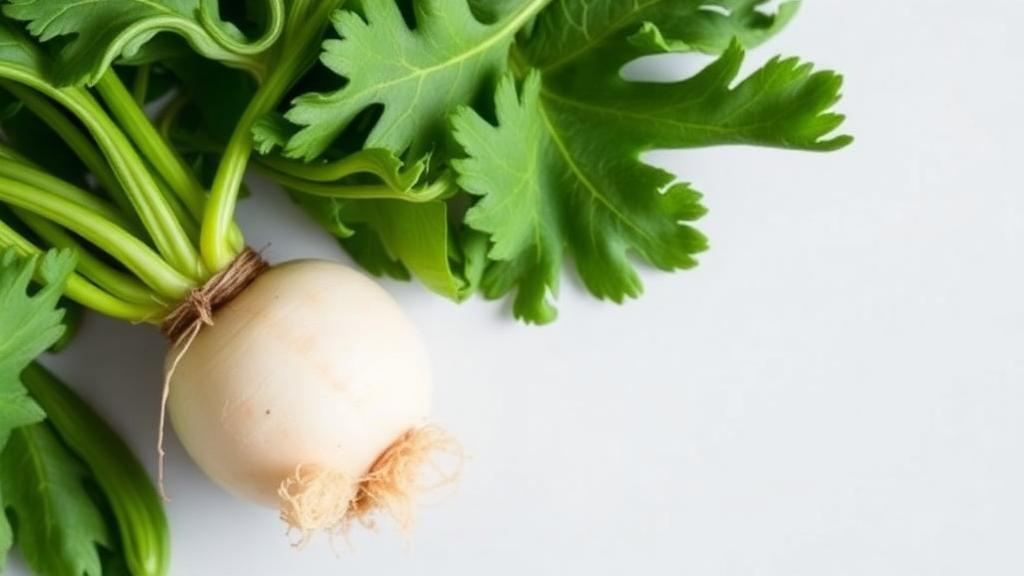
The humble parsnip, a pale root vegetable that has graced European and North American dinner tables for centuries, is quietly revealing a biochemical richness that few shoppers would suspect. A new study published in Food Science and Biotechnology has mapped, in unusual detail, where the most valuable antioxidant and anti-inflammatory compounds reside within two commercial parsnip cultivars, and the answer challenges the way this vegetable is typically prepared and consumed. The research, led by Hyerin Shim and Youngjae Shin of Dankook University together with Sung Keun Jung of Kyungpook National University, compared the edible and inedible tissues of the ‘Warrior’ and ‘Albion’ cultivars, measuring everything from total flavonoids and phenolics to ascorbic acid and individual polyphenols, and then testing how well extracts performed in cellular assays of oxidative stress and inflammation.
The central finding is striking: the parts of the parsnip that most people throw away are precisely the parts richest in bioactive compounds. Among the edible tissues, the skin of the ‘Warrior’ cultivar recorded the highest flavonoid content, at 15.27 milligrams of catechin equivalents per 100 grams of fresh weight. Among the inedible tissues, ‘Warrior’ leaves topped the chart for phenolic content, reaching 525.17 milligrams of gallic acid equivalents per 100 grams of fresh weight. These numbers matter because phenolic compounds and flavonoids are among the most studied classes of plant secondary metabolites, valued for their capacity to neutralize reactive oxygen species and modulate inflammatory signaling pathways in human cells.
Antioxidant activity in the study was assessed using two widely accepted colorimetric assays, DPPH and ABTS, each of which measures the ability of plant extracts to scavenge synthetic free radicals in solution. The DPPH assay relies on the reduction of a stable nitrogen-centered radical, which changes color from deep purple to pale yellow as antioxidants donate electrons or hydrogen atoms. The ABTS assay works on a similar principle, generating a green-blue radical cation that is decolorized by antioxidant molecules. When the researchers ran these assays on extracts from different parsnip tissues, the results tracked closely with the distribution of phenolic compounds, reinforcing a long-standing observation in food chemistry that total phenolic content is often a reliable predictor of radical-scavenging capacity.
Cultivar differences emerged as a consistent theme throughout the data. The ‘Warrior’ cultivar generally exhibited higher total flavonoid content, higher total phenolic content, and stronger antioxidant activities than ‘Albion’ across the tissues examined. This kind of genotype-dependent variation is well documented in other vegetables; comparable studies of onions, blueberries, and aronia berries have all shown that polyphenol profiles can differ substantially between cultivars grown under identical conditions. For breeders and food scientists, the implication is that cultivar selection is not merely a matter of yield, texture, or flavor, but also a lever for enhancing the nutritional and functional value of a crop.
The anti-inflammatory experiments took the investigation a step further, moving from chemical assays into living cells. The team used RAW 264.7 macrophages, a mouse cell line that has become a standard model for studying inflammatory responses in vitro. These immune cells were stimulated with lipopolysaccharide, or LPS, a molecule derived from the outer membrane of Gram-negative bacteria that triggers a potent inflammatory response, including the production of nitric oxide and a burst of intracellular reactive oxygen species. Nitric oxide, while serving important signaling functions at low concentrations, contributes to tissue damage and inflammatory pathology when overproduced by activated macrophages, making its inhibition a key benchmark for anti-inflammatory activity.
Against this backdrop, ‘Warrior’ parsnip skin extract delivered the study’s most compelling result. The skin extract showed the strongest anti-inflammatory activity of all the tissues tested, suppressing both nitric oxide production and the generation of intracellular reactive oxygen species in the LPS-stimulated macrophages. This dual action is significant because oxidative stress and inflammation are tightly intertwined processes; reactive oxygen species can activate inflammatory signaling cascades, and inflammatory enzymes in turn generate more free radicals. Compounds that interrupt this feedback loop at both points are of particular interest to researchers exploring dietary approaches to chronic inflammatory conditions, which underlie diseases ranging from atherosclerosis to arthritis.
The concentration of bioactive compounds in outer tissues is not unique to parsnip, but the study adds a valuable quantitative dimension to a pattern seen across the plant kingdom. In apples, grapes, and onions, the peel routinely outperforms the flesh in phenolic content, a consequence of the plant’s own defensive strategy. The outer layers of a root or fruit are the first line of contact with the environment, exposed to ultraviolet radiation, pathogens, and physical damage, and plants respond by accumulating protective secondary metabolites precisely where they are needed most. Leaves, similarly, face intense oxidative pressure from photosynthesis and sunlight, which helps explain why ‘Warrior’ parsnip leaves, normally discarded as agricultural waste, turned out to be the single richest source of phenolics in the entire analysis.
That last point carries real economic and environmental weight. Parsnip is grown primarily for its taproot, and the foliage is typically left in the field or composted after harvest. If the leaves contain more than 500 milligrams of phenolic compounds per 100 grams of fresh weight, they represent a largely untapped reservoir of functional ingredients that could be recovered for use in nutraceuticals, functional foods, or natural preservatives. The same logic applies to peeling waste from food processing operations, where parsnip skins are removed on an industrial scale. Converting these by-products into value-added extracts would align with a broader movement in food science toward circular economy approaches, in which agricultural residues are reimagined as raw materials rather than refuse.
The study also situates parsnip within a growing body of literature on root vegetables as sources of health-promoting compounds. Previous work by the same research group had already characterized the physicochemical properties, organic acids, and sugar profiles of parsnip cultivars harvested in Korea, and other teams have documented the antioxidant activity of essential oils from wild parsnip subspecies. Historical texts and traditional medicine systems have long attributed therapeutic properties to Pastinaca sativa, and modern pharmacological reviews have catalogued its chemical constituents. What the new research adds is a systematic, tissue-by-tissue, cultivar-by-cultivar comparison that connects specific chemical measurements to measurable biological effects in cell-based models, bridging the gap between compositional analysis and functional validation.
For consumers, the practical takeaways are straightforward, if somewhat counterintuitive. Keeping the skin on parsnips when cooking preserves the tissue shown to have the highest flavonoid content and the strongest anti-inflammatory activity in laboratory tests, and choosing cultivars such as ‘Warrior’ may offer a modest nutritional edge over alternatives. The researchers caution, as all in vitro studies must, that cellular assays do not directly translate into clinical outcomes; compounds must survive digestion, reach target tissues, and act in the complex environment of the human body before any health benefit can be claimed. Nevertheless, the work provides a clear roadmap for future research, from identifying the individual polyphenols responsible for the observed effects to testing bioavailability and efficacy in more advanced models. In the meantime, it offers a fresh reason to reconsider one of the supermarket’s most overlooked vegetables, and a reminder that in the chemistry of plants, the parts we discard often hold the greatest treasures.
Subject of Research: Antioxidant and anti-inflammatory bioactive compound distribution in parsnip cultivars and plant parts
Article Title: Distribution of antioxidant compounds, antioxidant activities, and anti-inflammatory properties in different cultivars and plant parts of parsnip (Pastinaca sativa)
Article References: Distribution of antioxidant compounds, antioxidant activities, and anti-inflammatory properties in different cultivars and plant parts of parsnip (Pastinaca sativa). (n.d.). https://doi.org/10.1007/s10068-026-02344-0
Image Credits: AI Generated
DOI: 10.1007/s10068-026-02344-0
Keywords: parsnip, Pastinaca sativa, antioxidant, anti-inflammatory, polyphenols, flavonoids, phenolic compounds, cultivar, RAW 264.7 macrophages, nitric oxide, DPPH assay, food by-products
Cite Scienmag News
Drew Townsend. (October 13, 2026). Parsnip Peels and Leaves Pack the Strongest Antioxidant and Anti-Inflammatory Punch. Scienmag. https://scienmag.com/parsnip-peels-and-leaves-pack-the-strongest-antioxidant-and-anti-inflammatory-punch/
Drew Townsend. "Parsnip Peels and Leaves Pack the Strongest Antioxidant and Anti-Inflammatory Punch." Scienmag, 13 October 2026, https://scienmag.com/parsnip-peels-and-leaves-pack-the-strongest-antioxidant-and-anti-inflammatory-punch/. Accessed 13 October 2026.
Drew Townsend. "Parsnip Peels and Leaves Pack the Strongest Antioxidant and Anti-Inflammatory Punch." Scienmag. October 13, 2026. https://scienmag.com/parsnip-peels-and-leaves-pack-the-strongest-antioxidant-and-anti-inflammatory-punch/


