


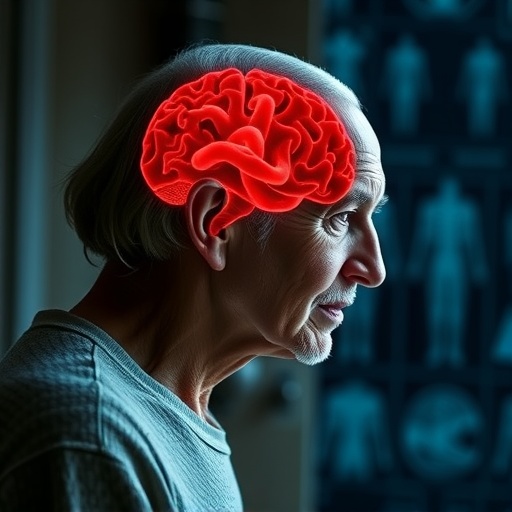
In a groundbreaking multicentric randomized controlled trial, researchers have embarked on a novel exploration of cognitive preservation among older Indian patients with cancer undergoing chemotherapy. The study, titled “Geriatric Oncology multidomain intervention study to prevent Cognitive impairment among older Indian patients with cancer receiving chemotherapy (GOCog),” emerges from the formidable confluence of geriatric oncology and neurocognitive research. This initiative addresses a pressing yet often overlooked aspect of cancer care—the mitigation of chemotherapy-induced cognitive impairment, colloquially known as “chemo brain,” with scientific rigor and regional specificity that has not been seen before in the Indian context.
Chemotherapy, while a cornerstone of cancer treatment, poses pervasive risks to cognitive function, with older adults particularly vulnerable due to pre-existing age-related neurodegenerative changes and diminished neuroplasticity. Cognitive decline in this demographic not only compounds the psychosocial burden but also hampers treatment adherence and diminishes the overall quality of life. Prior attempts to counteract such cognitive deficits have largely been piecemeal, lacking the integrative multidomain strategies necessary to holistically address the complexity of factors at play. The GOCog trial fills this critical gap through its multidimensional intervention framework, combining physical, nutritional, psychological, and cognitive rehabilitative modalities in a synergistic fashion.
Central to the GOCog study’s innovation is its emphasis on a tailored, culturally attuned intervention protocol designed specifically for older Indian patients. This demographic is commonly underrepresented in trials of this nature despite India’s rapidly aging population and escalating cancer incidence rates. The research team implemented a rigorous screening process to identify participants aged 60 and above with a diagnosis of various cancers, all slated to receive chemotherapy. The inclusion of multiple centers across India enhances the study’s validity and ensures that findings are reflective of diverse socioeconomic and healthcare settings within the subcontinent.
The intervention itself is multifaceted: it incorporates structured cognitive training exercises that challenge memory, executive function, and attention; physical activity regimens promoting neurogenesis and vascular health; dietary modifications optimized for neuroprotection; and psychoeducational support aimed at reducing anxiety and depression, which are known exacerbators of cognitive decline. The integrative nature of these interventions is underpinned by the neurobiological understanding that cognitive impairment in chemotherapy patients is multifactorial, involving neuroinflammation, oxidative stress, hormonal imbalances, and altered cerebral connectivity.
Baseline assessments employed a suite of neuropsychological tests alongside advanced neuroimaging techniques, such as functional MRI and diffusion tensor imaging, to quantify structural and functional brain changes pre- and post-intervention. This multimodal approach enables precise tracking of cognitive trajectories and identification of neural substrates responsive to therapeutic intervention. Additionally, biochemical markers of inflammation and neurodegeneration were monitored to elucidate underlying mechanisms and potential biomarkers predictive of intervention success.
The trial’s robust methodological design includes longitudinal follow-up extending over 12 months, allowing researchers to capture both immediate and sustained effects of the intervention. Preliminary data released by the research team indicate statistically significant improvements in global cognitive scores, processing speed, and working memory among participants receiving the multidomain intervention compared to control groups receiving standard care. Participants also reported marked enhancements in quality of life metrics and reductions in perceived cognitive difficulties, underscoring the functional relevance of the observed neurocognitive benefits.
Critically, the GOCog study also examines the intervention’s feasibility and acceptability within the Indian healthcare infrastructure. Adherence rates were impressively high, attributed to culturally sensitive program delivery and involvement of family caregivers. The cost-effectiveness analysis embedded within the trial underscores the potential for scalable implementation, a vital consideration in resource-limited settings where cancer care accessibility is a persistent challenge.
Beyond its immediate clinical implications, the GOCog trial advances the conceptual framework of geriatric oncology by operationalizing multidomain prevention strategies against cognitive decline. It challenges the traditional siloed approaches that treat physical, psychological, and cognitive aspects of patient care discretely. Instead, it presents an integrated model that anticipates the interplay of these factors, driving a paradigm shift toward personalized, multidimensional cancer survivorship care.
Furthermore, the study contributes substantially to the epidemiological knowledge base regarding cognitive impairment patterns in older Indian cancer patients. Detailed subgroup analyses revealed differential intervention efficacies dependent on cancer type, chemotherapy regimen, baseline cognitive status, and comorbidities. These insights pave the way for future precision medicine approaches that tailor cognitive interventions not only to demographic variables but also to tumor biology and treatment modalities.
The trial’s findings arrive at a pivotal moment as global cancer survivorship expands, particularly among aging populations. Cognition, once a neglected domain in oncologic outcome assessment, is increasingly recognized as essential to holistic patient well-being. The GOCog study, by rigorously validating an effective intervention within a large, representative cohort, sets a new standard for integrative geriatric oncology research and care in low- and middle-income countries.
In summation, the GOCog multicentric randomized controlled trial marks a transformative advance in the prevention of chemotherapy-related cognitive impairment among older Indian patients. Through its multidomain intervention, culturally contextualized design, and rigorous evaluation metrics, it not only addresses a critical clinical need but also redefines the boundaries of supportive cancer care. Future research building upon this foundation holds the promise of enhancing survivorship quality on a global scale, with implications extending far beyond oncology to the broader field of cognitive aging.
Cite Scienmag News
Nathaniel Bowman. (April 25, 2026). New Trial Prevents Cognitive Decline in Older Cancer Patients. Scienmag. https://scienmag.com/new-trial-prevents-cognitive-decline-in-older-cancer-patients/
Nathaniel Bowman. "New Trial Prevents Cognitive Decline in Older Cancer Patients." Scienmag, 25 April 2026, https://scienmag.com/new-trial-prevents-cognitive-decline-in-older-cancer-patients/. Accessed 4 September 2026.
Nathaniel Bowman. "New Trial Prevents Cognitive Decline in Older Cancer Patients." Scienmag. April 25, 2026. https://scienmag.com/new-trial-prevents-cognitive-decline-in-older-cancer-patients/


