


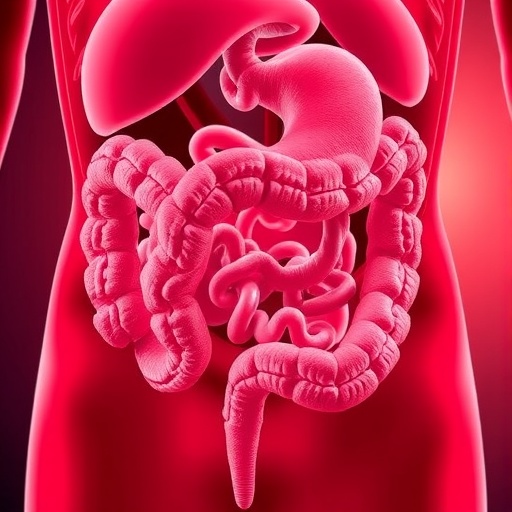
In a groundbreaking study published in the esteemed journal Aging Cell in April 2026, scientists at Marshall University’s Joan C. Edwards School of Medicine have uncovered compelling evidence that microscopic particles generated within the gut—the gut luminal exosomes—may play a pivotal role in promoting inflammation and chronic diseases commonly associated with aging. This novel research deepens our understanding of the complex interplay between sleep, metabolism, immune function, and the aging process, offering promising new avenues for therapeutic intervention.
Exosomes, nanoscale extracellular vesicles capable of transferring proteins, lipids, and genetic material between cells, have been recognized as key mediators of intercellular communication. The Marshall University team focused their investigation on these vesicles specifically produced in the gut lumen, examining their molecular characteristics and functional impact on biological aging. Their multi-omic analysis revealed that exosomes derived from older mice carry unique molecular signatures linked to insulin resistance, systemic inflammation, and disruptions in gut barrier integrity.
The functional consequences of these age-associated exosomes were directly tested through experimental transfer between young and old animals. When gut luminal exosomes from elderly mice were introduced into younger counterparts, the recipients exhibited early-stage metabolic dysfunctions, including impaired insulin signaling and increased gut permeability, effectively mirroring features commonly observed in aged organisms. Remarkably, this detrimental phenotype was reversible; transferring exosomes from young mice to old animals mitigated these age-related impairments, restoring aspects of metabolic and gut barrier function.
This bidirectional exosome transfer highlights a dynamic and potentially targetable mechanism by which the gut ecosystem influences systemic aging processes. The integrity of the gut barrier is crucial for maintaining immune homeostasis; its deterioration permits leakage of pro-inflammatory molecules into the bloodstream, triggering chronic low-grade inflammation—a hallmark of many age-related disorders such as cardiovascular disease, type 2 diabetes, and neurodegeneration.
Central to the study’s implications is the recognition that exosome-mediated communication bridges metabolism, immune activation, and cellular signaling networks. Aging, therefore, is not merely a consequence of isolated organ decline but emerges as an interdependent systemic phenomenon. The molecular cargo carried by gut-derived exosomes includes microRNAs, proteins, and metabolites that orchestrate gene expression patterns governing insulin sensitivity and inflammatory pathways, underscoring their role as potent messengers of physiological stress.
The research team, led by biomedical sciences professor Abdelnaby Khalyfa, holds that deciphering the molecular profiles of these gut exosomes could pave the way for novel diagnostic biomarkers capable of detecting early signs of metabolic aging. Furthermore, targeting the biogenesis, release, or uptake of these vesicles might offer a strategic intervention point to delay or reverse age-related metabolic and inflammatory deterioration.
In-depth characterization performed through proteomics, transcriptomics, and metabolomics enabled the delineation of specific molecules enriched within aging exosomes that contribute to gut barrier dysfunction. These findings align with emerging evidence regarding the gut microbiota’s influence on host health, extending it by identifying the gut’s secreted extracellular vesicles as critical agents in propagating systemic aging signals.
The study also resonates with the concept of inflammaging—the chronic, low-grade inflammation observed in elderly populations—demonstrating that the gut epithelium and its secreted exosomal content significantly shape this inflammatory milieu. The disruption of the gut barrier is a key driver of endotoxemia, and gut exosomes appear to facilitate the communication of this pathology to distal tissues, influencing metabolic health.
Acknowledging the multifaceted nature of aging, the researchers emphasize that their findings have broad relevance to multiple chronic conditions wherein the convergence of metabolism, immunity, and cellular signaling further complicates disease pathogenesis. Thus, gut luminal exosomes offer a novel integrative framework linking biological aging with chronic disease onset and progression.
The study reflects a collaborative effort involving Trupti Joshi, Ph.D., and David Gozal, M.D., M.B.A., Ph.D. (Hon), from Marshall University, alongside Lyu Zhen from the University of Missouri. The multidisciplinary approach combined expertise in molecular biology, aging research, and clinical sciences, supported by multiple NIH grants and institutional funds.
In the context of advancing longevity research, these findings encourage the exploration of gut-derived exosomes not only as biomarkers but also as therapeutic targets. Modulating their production or molecular cargo may present a transformative strategy to mitigate metabolic aging and its associated morbidities.
Ultimately, this pioneering research sets the stage for future studies delving into the molecular mechanisms underpinning exosome-mediated gut barrier dysfunction and opens the door to personalized interventional approaches aimed at enhancing healthspan and preventing age-related diseases by harnessing the gut ecosystem’s communicative capacity.
News Publication Date: 26-Mar-2026
Web References: https://doi.org/10.1111/acel.70455
Cite Scienmag News
Beatrice Stafford. (May 15, 2026). New Study Connects Age-Related Gut Changes to Higher Disease Risk. Scienmag. https://scienmag.com/new-study-connects-age-related-gut-changes-to-higher-disease-risk/
Beatrice Stafford. "New Study Connects Age-Related Gut Changes to Higher Disease Risk." Scienmag, 15 May 2026, https://scienmag.com/new-study-connects-age-related-gut-changes-to-higher-disease-risk/. Accessed 3 September 2026.
Beatrice Stafford. "New Study Connects Age-Related Gut Changes to Higher Disease Risk." Scienmag. May 15, 2026. https://scienmag.com/new-study-connects-age-related-gut-changes-to-higher-disease-risk/


