

Tuesday, November 17, 2026
Science
No Result
View All Result
  • Login
  • HOME
  • SCIENCE NEWS
  • CONTACT US
  • HOME
  • SCIENCE NEWS
  • CONTACT US
No Result
View All Result
Scienmag
No Result
View All Result
Home Science News Biology

Microglia Dynamically Shift Functional States Rather Than Following Rigid Programs, Review Finds

November 11, 2026
in Biology, Medicine
Cassandra Pierce
By Cassandra Pierce Scienmag Editorial Profile - Systems Neuroscience
Reading Time: 2 mins read
0
Microglia Dynamically Shift Functional States Rather Than Following Rigid Programs, Review Finds

Microglia Dynamically Shift Functional States Rather Than Following Rigid Programs, Review Finds

65
SHARES
587
VIEWS
Share on FacebookShare on Twitter
ADVERTISEMENT

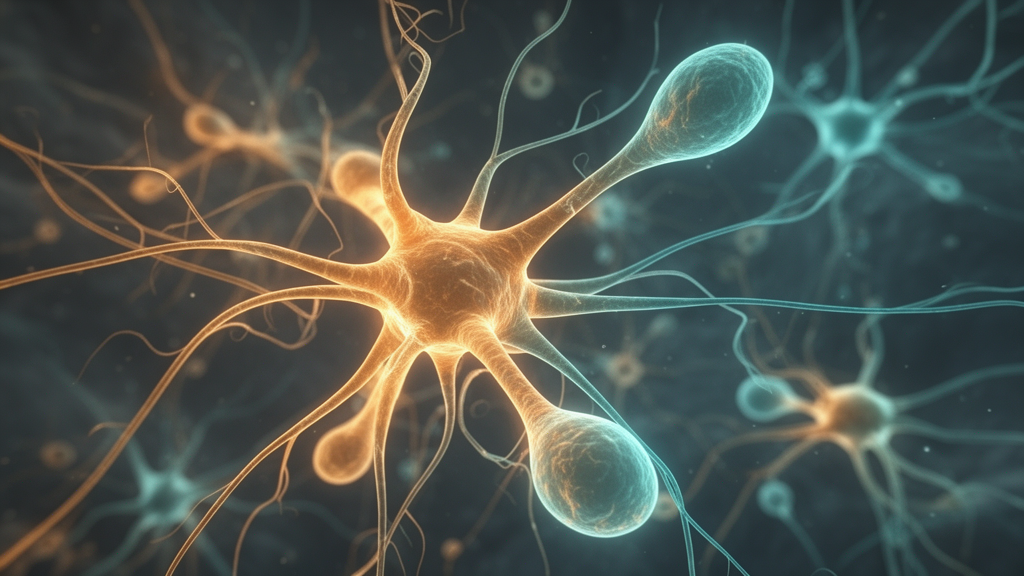
Microglia in the central nervous system function as highly plastic, tissue-resident macrophages whose functional states adapt continuously to environmental, developmental, and pathological cues rather than executing predetermined genetic programs, according to a review published in Cellular and Molecular Neurobiology. Authors Shunqi Wang, Yao Wang, Chunyang Hou, Yu Zhang, Chong Sun, and Chaolin Ma synthesize evidence demonstrating that microglial phenotypes emerge from the continuous integration of developmental origin, regional niche, metabolic status, neuronal activity, and local environmental signals.

During early brain development, the review details how microglia actively contribute to neural circuit refinement. These resident immune cells eliminate apoptotic cells and extraneous synapses through activity-dependent phagocytosis.

In the mature central nervous system, microglia transition into a continuous surveillance role to preserve tissue integrity. The cells continuously monitor their surroundings, maintain synaptic homeostasis, and mount rapid responses to local tissue perturbances. Rather than progressing through fixed activation pathways, the cells dynamically transition among homeostatic and adaptive states in response to ongoing physiological demands.

When the spatiotemporal coordination of these state transitions is disrupted, microglia can be redirected toward maladaptive phenotypes. The review notes that perturbations such as ageing, metabolic dysregulation, and chronic disease undermine coordinated regulation. Under these conditions, maladaptive microglial states emerge, characterized by persistent chronic neuroinflammation, impaired phagocytosis, metabolic dysfunction, and neuronal damage.

The authors explain that recent progress across single-cell transcriptomics, spatial biology, and systems neuroscience has reshaped the understanding of microglial diversity. These analytical approaches reveal how developmental programming, spatial niche-derived signals, temporal regulation, and metabolic adaptation collectively govern microglial behaviors across healthy and diseased brain tissue.

Building on these mechanistic insights, the review evaluates emerging therapeutic strategies focused on context-dependent modulation to restore physiologically coordinated microglial dynamics. Such precision approaches target signaling pathways, immunometabolism, epigenetic programs, and tissue-specific regulatory networks, while the authors emphasize that key challenges and unanswered questions remain before clinical microglial therapies can be realized.

Subject of Research: Dynamic regulation of microglial functional states in central nervous system health and disease

Article Title: Microglial Dual Nature in Maintaining Spatiotemporal Homeostasis

Article References: Wang, S., Wang, Y., Hou, C., Zhang, Y., Sun, C., & Ma, C. (2026). Microglial Dual Nature in Maintaining Spatiotemporal Homeostasis. Cellular and Molecular Neurobiology. https://doi.org/10.1007/s10571-026-01778-8

Image Credits: AI Generated

DOI: 10.1007/s10571-026-01778-8

Keywords: microglia, central nervous system, tissue-resident macrophages, spatiotemporal homeostasis, synaptic homeostasis, phagocytosis, neural circuit refinement, apoptotic cells, chronic neuroinflammation, neurodegeneration, single-cell transcriptomics, spatial biology, systems neuroscience, immunometabolism, epigenetic programs, metabolic adaptation, precision microglial therapies

Cite Scienmag News

Cassandra Pierce. (November 11, 2026). Microglia Dynamically Shift Functional States Rather Than Following Rigid Programs, Review Finds. Scienmag. https://scienmag.com/microglia-dynamically-shift-functional-states-rather-than-following-rigid-programs-review-finds/

Cassandra Pierce. "Microglia Dynamically Shift Functional States Rather Than Following Rigid Programs, Review Finds." Scienmag, 11 November 2026, https://scienmag.com/microglia-dynamically-shift-functional-states-rather-than-following-rigid-programs-review-finds/. Accessed 17 November 2026.

Cassandra Pierce. "Microglia Dynamically Shift Functional States Rather Than Following Rigid Programs, Review Finds." Scienmag. November 11, 2026. https://scienmag.com/microglia-dynamically-shift-functional-states-rather-than-following-rigid-programs-review-finds/

Tags: apoptotic cellscentral nervous systemchronic neuroinflammationepigenetic programsimmunometabolismmetabolic adaptationmicroglianeural circuit refinementneurodegenerationphagocytosisprecision microglial therapiessingle-cell transcriptomicsspatial biologyspatiotemporal homeostasissynaptic homeostasissystems neurosciencetissue-resident macrophages
Share26Tweet16
Previous Post

Comparative Study Evaluates Home Heating Transitions Across Four European Nations

Next Post

Melatonin Attenuates Intestinal Mucosal Injury in Rats Exposed to Intermittent Hypoxia

Related Posts

Higher Body Mass Index Linked to Reduced Osteoporosis Risk
Medicine

Higher Body Mass Index Linked to Reduced Osteoporosis Risk

November 17, 2026
Five Clinical Factors Predict Diabetic Retinopathy Risk in Type 2 Diabetes
Medicine

Five Clinical Factors Predict Diabetic Retinopathy Risk in Type 2 Diabetes

November 17, 2026
Abdominal CT Radiomics Identifies Prevalent Heart Disease in Type 2 Diabetes
Medicine

Abdominal CT Radiomics Identifies Prevalent Heart Disease in Type 2 Diabetes

November 17, 2026
Researchers Propose D-Allulose Framework to Test Metabolic Signaling and Aging
Medicine

Researchers Propose D-Allulose Framework to Test Metabolic Signaling and Aging

November 17, 2026
Gut Microbiome Shifts Linked to Depressive Symptoms in Diabetes Patients
Medicine

Gut Microbiome Shifts Linked to Depressive Symptoms in Diabetes Patients

November 17, 2026
Three-Variable Pre-Stimulation Model Identifies Central Precocious Puberty in Girls
Medicine

Three-Variable Pre-Stimulation Model Identifies Central Precocious Puberty in Girls

November 17, 2026
Next Post
Melatonin Attenuates Intestinal Mucosal Injury in Rats Exposed to Intermittent Hypoxia

Melatonin Attenuates Intestinal Mucosal Injury in Rats Exposed to Intermittent Hypoxia

  • Mothers who receive childcare support from maternal grandparents show more optimized

    Mothers who receive childcare support from maternal grandparents show more parental warmth, finds NTU Singapore study

    27656 shares
    Share 11059 Tweet 6912
  • University of Seville Breaks 120-Year-Old Mystery, Revises a Key Einstein Concept

    1061 shares
    Share 424 Tweet 265
  • Bee body mass, pathogens and local climate influence heat tolerance

    682 shares
    Share 273 Tweet 171
  • Researchers record first-ever images and data of a shark experiencing a boat strike

    546 shares
    Share 218 Tweet 137
  • Groundbreaking Clinical Trial Reveals Lubiprostone Enhances Kidney Function

    531 shares
    Share 212 Tweet 133
Science

Embark on a thrilling journey of discovery with Scienmag.com—your ultimate source for cutting-edge breakthroughs. Immerse yourself in a world where curiosity knows no limits and tomorrow’s possibilities become today’s reality!

RECENT NEWS

  • Higher Body Mass Index Linked to Reduced Osteoporosis Risk
  • Five Clinical Factors Predict Diabetic Retinopathy Risk in Type 2 Diabetes
  • Abdominal CT Radiomics Identifies Prevalent Heart Disease in Type 2 Diabetes
  • Tandem solar cells reach 35.1% efficiency using conjugation-regulated molecular monolayers

Categories

  • Agriculture
  • Anthropology
  • Archaeology
  • Athmospheric
  • Biology
  • Biotechnology
  • Blog
  • Bussines
  • Cancer
  • Chemistry
  • Climate
  • Earth Science
  • Editorial Policy
  • Marine
  • Mathematics
  • Medicine
  • Pediatry
  • Policy
  • Psychology & Psychiatry
  • Science Education
  • Science News
  • Social Science
  • Space
  • Technology and Engineering

Subscribe to Blog via Email

Enter your email address to subscribe to this blog and receive notifications of new posts by email.

Join 5,150 other subscribers

© 2026 Scienmag - Science Magazine

Welcome Back!

Login to your account below

Forgotten Password?

Retrieve your password

Please enter your username or email address to reset your password.

Log In
No Result
View All Result
  • HOME
  • SCIENCE NEWS
  • CONTACT US

© 2026 Scienmag - Science Magazine

Discover more from Science

Subscribe now to keep reading and get access to the full archive.

Continue reading

