


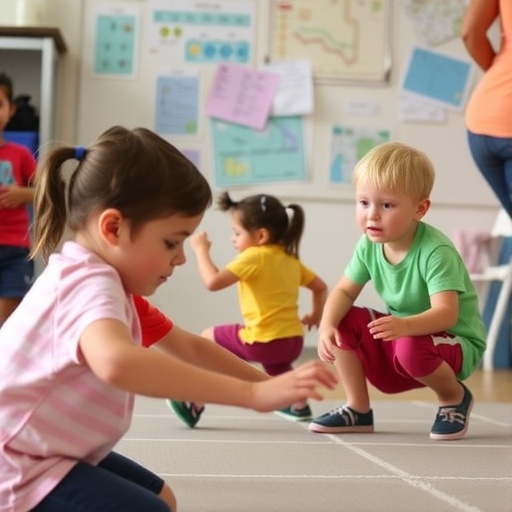
In recent years, the focus on improving physical education among primary school children has gained immense traction, especially in light of rising concerns regarding childhood obesity and sedentary lifestyles. A groundbreaking study conducted in Turkey has explored the innovative use of Physical Activity Cards (PACs) as a tool to enhance motor proficiency and increase enjoyment in physical activities among young students. This research signifies a critical step forward in understanding the dynamics of child engagement in physical exercise through structured approaches.
The introduction of PACs aims to bridge the gap between traditional physical education methods and the contemporary needs of students. This study, featured in a forthcoming publication in the BMC Pediatrics journal, presents compelling data that could revolutionize how physical activity is approached within school curricula. The primary objective was to measure not only the enhancement of motor skills but also the overall enjoyment that children experience while participating in organized physical activities.
Motor proficiency is often overlooked, yet it is a fundamental component of a child’s ability to engage in physical activities successfully. The PACs employed in this study consist of diverse activities designed to promote not just physical skill development but also to motivate children through a gamified approach. By implementing these cards, educators can provide a stimulating and enjoyable learning environment that encourages children to improve their physical abilities without the pressure of traditional competitive sports.
The research team utilized a robust methodology to assess the impact of PACs on student performance and enjoyment. A significant portion of the study analyzed pre- and post-intervention results from two distinct groups of primary school students. The control group followed a standard physical education curriculum, whereas the experimental group engaged in physical activities tailored by the PACs. This comparative analysis allowed researchers to draw clear conclusions regarding the efficacy of this new approach.
One of the most notable outcomes of the study was the enhanced motor proficiency observed in students who participated in activities utilizing PACs. Improved skills such as throwing, catching, and jumping were reported, demonstrating that structured and enjoyable activities can lead to meaningful gains in physical competence. This finding is particularly significant given the pivotal role that motor skills play in overall physical development and future participation in sports.
Moreover, the enjoyment derived from physical activities is crucial for fostering a long-term commitment to an active lifestyle. The students reported a marked increase in excitement and positivity towards physical education classes. This heightened enjoyment is instrumental in shifting perceptions about physical activity from a chore to a favorable and engaging activity, laying the foundation for lifelong fitness habits.
As schools worldwide grapple with the challenge of motivating young students to embrace physical activity, studies like this one provide valuable insights. By utilizing PACs, educators may hold the key to creating environments where children not only learn but also thrive in physical education settings. The research advocates for an educational model that prioritizes student enjoyment, thereby ensuring that physical activity becomes an integral part of a child’s life.
In addition to enhancing motor skills, the research emphasized the correlation between increased physical activity and improved social skills among participants. Students engaged in these card-based activities frequently interacted with their peers, fostering teamwork and communication. As children play and learn together, they develop essential social competencies that play a critical role in their overall development.
The findings showcase the potential for PACs to serve as a resource not only for physical education teachers but also for policymakers looking to promote healthy lifestyles in schools. This model could readily be adapted and implemented in diverse educational contexts, offering a scalable solution for enhancing physical education experiences across different geographical regions.
Beyond the immediate benefits, implementing PACs can aid in promoting a culture of health and well-being within classrooms. Educators and school administrators have a unique opportunity to champion innovative approaches to physical activity, thereby combating the negative consequences of an increasingly digital and sedentary lifestyle that many children face today.
In conclusion, the study on the impact of Physical Activity Cards on primary school children in Turkey presents a pivotal advancement in educational practices surrounding physical fitness. The promising results underscore the importance of engaging students through enjoyment-focused activities that boost motor proficiency and foster long-term participation in physical activities. As we advance towards a future prioritizing health and fitness, this research demonstrates the potential for simple yet effective tools to make a profound difference in the lives of young learners.
The implications of this study extend far beyond the realm of physical education; they offer guidance for parents, educators, and policymakers alike. Embracing innovative approaches to promote physical activity will not only contribute to healthier children but also create an educational atmosphere that prioritizes well-being and joy in the learning process.
In light of these findings, stakeholders are called to action, not just to adopt PACs but to continually seek creative means to engage students in physical activity. The involvement of every educational member, from teachers to curriculum developers, is vital in promoting a healthier future, ensuring that every child has the opportunity to thrive physically, socially, and emotionally.
Cakir, L.Y., Goksel, A.G., Uyaniker, S.S.U. et al. Evaluating the impact of physical activity cards (PACs) on motor proficiency and enjoyment of physical activities among primary school students in Turkey. BMC Pediatr 25, 852 (2025). https://doi.org/10.1186/s12887-025-06223-1
Cite Scienmag News
Ophelia Keating. (October 22, 2025). Impact of Physical Activity Cards on Kids’ Skills. Scienmag. https://scienmag.com/impact-of-physical-activity-cards-on-kids-skills/
Ophelia Keating. "Impact of Physical Activity Cards on Kids’ Skills." Scienmag, 22 October 2025, https://scienmag.com/impact-of-physical-activity-cards-on-kids-skills/. Accessed 4 September 2026.
Ophelia Keating. "Impact of Physical Activity Cards on Kids’ Skills." Scienmag. October 22, 2025. https://scienmag.com/impact-of-physical-activity-cards-on-kids-skills/


