


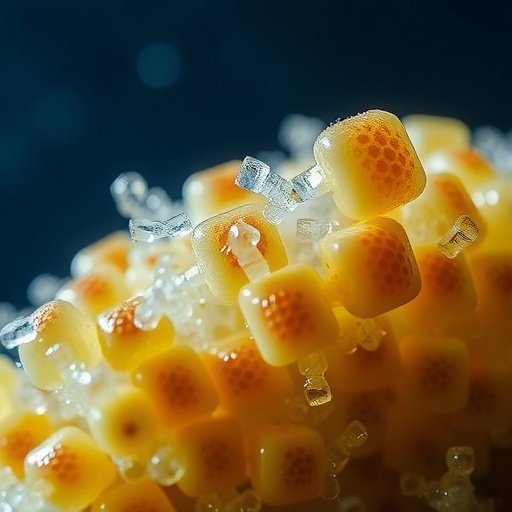
Oceans cover more than 70 percent of Earth’s surface, playing a crucial role in regulating our planet’s climate and supporting an immense diversity of life. Among their many functions, oceans are responsible for nearly half of the planet’s photosynthesis, largely driven by the tiny yet mighty phytoplankton. These microscopic plants float freely in the upper layers of the ocean where sunlight penetrates, converting carbon dioxide into oxygen and organic matter through photosynthesis. However, the proliferation of microplastics in marine environments threatens to disrupt this vital process with potentially devastating consequences for the global carbon cycle.
Microplastics, defined as plastic particles smaller than 5 millimeters, have permeated marine ecosystems across the globe. Found in dense coastal regions and extending to remote polar waters, these particles originate from a variety of sources, such as degraded larger plastic debris and microbeads in consumer products. Their omnipresence creates new challenges for marine organisms, particularly phytoplankton, which are critical to oceanic carbon sequestration. Researchers at the Norwegian University of Science and Technology (NTNU) have embarked on a pioneering study to quantify how microplastics impact phytoplankton growth and, by extension, the ocean’s capacity to absorb carbon dioxide.
Francesca Verones, leading this endeavor, notes that approximately 25 to 30 percent of anthropogenic CO₂ emissions are absorbed by the oceans annually. Phytoplankton play a central role in this uptake, acting as foundational producers in marine food webs and facilitating the biological pump that transports carbon to the deep ocean. The intrusion of microplastics introduces multiple stressors to these organisms. Apart from the inherent toxicity of some plastic types, such as polyvinyl chloride (PVC), the physical presence of microplastics shading the water column reduces sunlight penetration, a vital component driving photosynthesis.
In their research, the team compiled phytoplankton abundance and growth data from diverse climatic zones, integrating laboratory experiments to assess sensitivity thresholds to microplastic concentrations. Their models estimate the reduction in phytoplankton proliferation due to microplastic interference, revealing that tropical and arid regions experience the most pronounced declines. These areas, characterized by high carbon sequestration rates, could witness reductions in annual carbon uptake on the order of tens of thousands of tonnes—numbers that, although relatively modest compared to the ocean’s total carbon absorption of two billion tonnes per year, still signal alarming localized disruptions.
Rather than considering these impacts in isolation, Verones and her colleagues have incorporated their findings into a life cycle assessment (LCA) framework for plastics. LCAs evaluate the environmental consequences of a product from manufacture through use and disposal, aiming to capture the full spectrum of ecological footprints. This holistic approach enables the quantification of cascading effects throughout the plastic lifecycle, including the less obvious and indirect influences like impaired carbon sequestration by marine ecosystems.
By framing microplastic pollution within the broader context of life cycle impacts, this research transcends traditional pollution metrics, shedding light on how plastic production and waste contribute to climate, biodiversity, and pollution crises simultaneously. The triple planetary crisis—comprising climate change, biodiversity loss, and pollution—necessitates integrated solutions that span multiple environmental domains. Life cycle assessments, by their comprehensive nature, provide an essential tool for policymakers and industry stakeholders aiming to mitigate these intertwined challenges effectively.
The ramifications of compromised phytoplankton growth extend beyond carbon cycling; these microscopic plants are the foundation of marine food webs, supporting fisheries that feed millions globally. A disruption in their productivity could cascade up trophic levels, destabilizing marine biodiversity and economies dependent on ocean resources. Moreover, reduced carbon sequestration exacerbates atmospheric CO₂ accumulation, intensifying global warming and its associated climate impacts, thus creating a feedback loop detrimental to planetary health.
As plastic contamination in marine environments continues unabated, the researchers emphasize the urgency for robust waste management strategies and reduction in plastic production and use. Ongoing increases in microplastic concentrations foreshadow escalating impacts on oceanic ecological functions and services, highlighting the necessity for immediate and sustained interventions. The study calls for heightened global awareness and regulatory efforts targeting plastic pollution as a critical component of climate action plans.
This groundbreaking research, published in the journal Ecosystem Services, represents the first integration of microplastic impacts on marine carbon uptake into a life cycle assessment framework. It exemplifies the essential interdisciplinarity needed to tackle environmental crises and underscores how emerging pollutants can subtly yet significantly interfere with ecosystem services vital to human wellbeing. The findings pave the way for future investigations exploring the intersection of pollution and climate, developing more nuanced understandings of ocean health in the Anthropocene.
Francesca Verones and the NTNU team’s approach also opens new avenues for circular economy strategies in plastics, wherein environmental burdens are minimized not only through recycling and reuse but also considering ecological functional losses like carbon sequestration impairment. Their work highlights the complexity and interconnectedness of marine environmental challenges and the imperative for comprehensive, data-driven methodologies in environmental science.
Ultimately, addressing microplastic pollution requires collaboration across scientific disciplines, industries, and governments to implement solutions that protect the ocean’s multifaceted roles. The ocean’s ability to sequester carbon, regulate climate, and sustain life makes its preservation a cornerstone of global sustainability efforts. Research such as that conducted by Verones et al. provides critical evidence needed to inform policy and public action, reinforcing the need to view plastic pollution not just as a waste problem but as a profound ecological threat with far-reaching implications.
News Publication Date: 18-Feb-2026
Web References: http://dx.doi.org/10.1016/j.ecoser.2026.101824
References: Fei Song, Martin Dorber, Johan Berg Pettersen, Francesca Verones, Assessing the effect of microplastics on the marine ecosystem’s carbon sequestration potential in life cycle assessment, Ecosystem Services, Volume 78, 2026, 101824
Cite Scienmag News
Violet Maxwell. (May 19, 2026). How Microplastics Are Disrupting the Ocean’s Carbon Absorption. Scienmag. https://scienmag.com/how-microplastics-are-disrupting-the-oceans-carbon-absorption/
Violet Maxwell. "How Microplastics Are Disrupting the Ocean’s Carbon Absorption." Scienmag, 19 May 2026, https://scienmag.com/how-microplastics-are-disrupting-the-oceans-carbon-absorption/. Accessed 4 September 2026.
Violet Maxwell. "How Microplastics Are Disrupting the Ocean’s Carbon Absorption." Scienmag. May 19, 2026. https://scienmag.com/how-microplastics-are-disrupting-the-oceans-carbon-absorption/


