


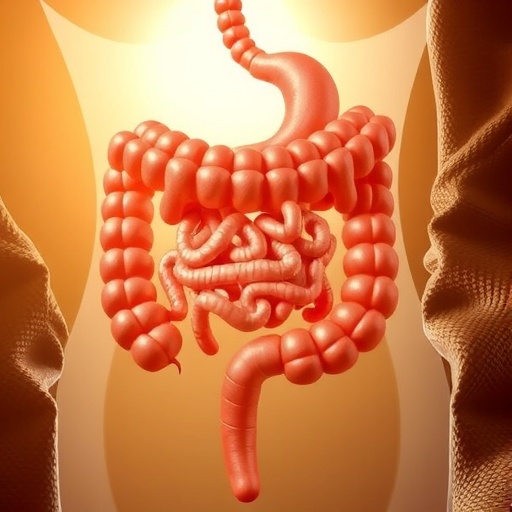
In a groundbreaking study published in BMC Endocrine Disorders, Liang et al. delve deep into the complex interplay between gut microbiota and polycystic ovary syndrome (PCOS). The research focuses on how resistant starch type 2 (RS2) and arabinoxylan, a type of hemicellulose, can induce significant improvements in PCOS phenotypes through their effects on gut microbiota and short-chain fatty acid (SCFA) production. As awareness of gut health’s role in various metabolic conditions continues to grow, this study provides compelling evidence linking dietary components to the management of such conditions.
Polycystic ovary syndrome affects a substantial number of women globally, often leading to a cascade of health complications including insulin resistance, obesity, and infertility. The need for effective and non-invasive treatment options has never been more critical. Researchers have turned their attention to the gut microbiome, an ecosystem of trillions of microorganisms, which has been increasingly recognized for its influence on overall health, including hormonal balance and metabolic processes.
The research conducted by Liang and colleagues employed a mouse model to explore the implications of dietary modifications involving RS2 and arabinoxylan. These substances, prevalent in various plant-based foods, were scrutinized for their potential to modify gut microbial populations. Initial findings indicated that these dietary fibers facilitate a shift in gut microbiota composition, favoring species associated with enhanced metabolic health. This is a remarkable insight, given the established relationship between microbiota diversity and various health outcomes.
Upon administering RS2 and arabinoxylan, the researchers observed notable changes in the abundance of beneficial bacteria. The enhancement of gut microbiota diversity suggests that these dietary fibers might help restore gut health in individuals suffering from PCOS. The resulting increase in microbial diversity is pivotal, as a balanced gut microbiome can support better hormonal regulation and metabolic function, essential for managing PCOS symptoms.
Moreover, the study investigated how these alterations in gut microbiota correlate with increased production of SCFAs, including butyrate, propionate, and acetate. SCFAs are metabolites produced when gut bacteria ferment non-digestible carbohydrates. They play an integral role in maintaining gut health, modulating immune responses, and regulating lipid metabolism. By boosting SCFA levels, RS2 and arabinoxylan were shown to enhance insulin sensitivity, which is a critical factor in the management of PCOS.
The clinical implications of these findings are significant. With the rising prevalence of PCOS worldwide, the integration of dietary strategies that involve RS2 and arabinoxylan may provide an effective means to mitigate the syndrome’s impact. This dietary approach offers an alternative to typical pharmacological treatments, thus appealing to patients seeking natural, less invasive solutions. The possible benefits extend beyond the reproductive system, indicating a broader system-wide impact on health.
Interestingly, the influence of dietary fibers like RS2 and arabinoxylan on gut microbiota raises important questions about the future of nutrition in clinical practice. As more research highlights the link between diet, gut health, and reproductive function, practitioners may need to consider personalized nutrition plans that focus on enhancing gut microbiome diversity in patients with PCOS. The results of this study could pave the way for innovative dietary guidelines aimed at improving health outcomes for women affected by this condition.
As we continue to unfold the layers surrounding the microbiome and its interactions with our dietary choices, the prospect of utilizing food as a tool for health improvement becomes increasingly appealing. The study out of BMC Endocrine Disorders reinforces the narrative that what we eat profoundly influences our gut and overall health. It opens up new avenues for research that could lead to dietary modifications tailored specifically for individuals prone to metabolic disorders like PCOS.
While the study performed on mice provides a promising foundation, translating these findings into human applications is the next critical step. Further clinical trials will be necessary to evaluate the efficacy of RS2 and arabinoxylan in human subjects. The scientific community must focus on elucidating the complex mechanisms by which these dietary components interact with human microbiota and hormones.
In conclusion, Liang et al. have presented compelling evidence that dietary fiber sources can remodel gut microbiota and enhance SCFA production, leading to notable improvements in PCOS phenotypes. This reinforces the idea that a healthy diet is not only central to individual well-being but may also serve as a cornerstone in managing the multifaceted challenges posed by conditions like PCOS. This convergence of diet, microbiota, and endocrine health could represent a paradigm shift in our approach to nutrition and wellness.
The study of gut microbiome dynamics in relation to chronic health conditions such as PCOS underscores a growing trend in biomedical research. It also highlights the importance of continued exploration into how simple dietary changes can yield profound health benefits. As research evolves, we may soon find that the pathway to treating reproductive and metabolic disorders lies not solely in pharmaceuticals, but rather in the foods we choose to consume and the balance we maintain within our gut microbiomes.
Liang, Y., Li, S., Chen, G. et al. Remodeling gut microbiota and enhancing SCFA production in mice: mechanisms of RS2 and arabinoxylan in ameliorating PCOS phenotypes.
BMC Endocr Disord (2025). https://doi.org/10.1186/s12902-025-02107-8
Cite Scienmag News
Morgan Morrow. (November 24, 2025). Enhancing Gut Microbiota: RS2 and Arabinoxylan in PCOS. Scienmag. https://scienmag.com/enhancing-gut-microbiota-rs2-and-arabinoxylan-in-pcos/
Morgan Morrow. "Enhancing Gut Microbiota: RS2 and Arabinoxylan in PCOS." Scienmag, 24 November 2025, https://scienmag.com/enhancing-gut-microbiota-rs2-and-arabinoxylan-in-pcos/. Accessed 3 September 2026.
Morgan Morrow. "Enhancing Gut Microbiota: RS2 and Arabinoxylan in PCOS." Scienmag. November 24, 2025. https://scienmag.com/enhancing-gut-microbiota-rs2-and-arabinoxylan-in-pcos/


