


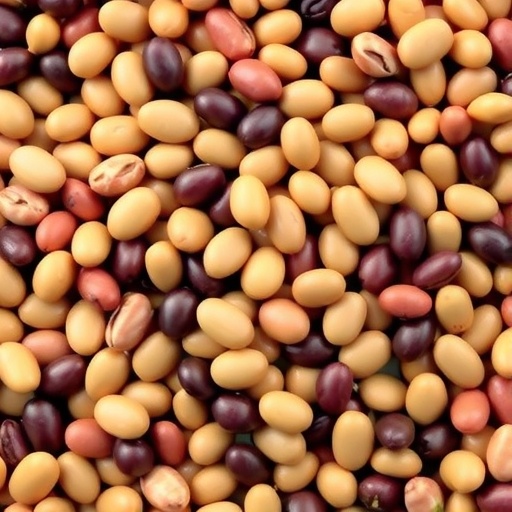
A recent clinical investigation conducted over a twelve-week period has illuminated the measurable cardiovascular and metabolic health benefits that may arise from the daily inclusion of beans, specifically black beans and chickpeas, in the diets of individuals with prediabetes. This emerging evidence suggests that these legumes could provide a practical, affordable, and nutritionally sound dietary strategy for mitigating risks associated with chronic diseases such as heart disease and type 2 diabetes. The study, carried out by researchers at the Illinois Institute of Technology, brings new clarity to the physiological impacts of these often-underappreciated food sources.
Prediabetes, characterized by elevated blood sugar levels that do not yet meet the threshold for diabetes diagnosis, is frequently accompanied by disruptions in lipid metabolism and systemic low-grade inflammation. These pathological features are critical contributors to the progression of cardiovascular disorders and metabolic dysfunction. In this context, the research team explored the differential effects of chickpeas and black beans on these biomarkers, hypothesizing that regular consumption could attenuate deleterious metabolic processes.
Participants in the study were randomly assigned to one of three groups: those consuming one cup daily of chickpeas, one cup daily of black beans, and a control group consuming rice. Importantly, this trial was conducted in free-living conditions, enabling an assessment reflective of real-world dietary adherence and lifestyle factors. Multiple biomarker analyses were performed at baseline, mid-point, and study conclusion, including comprehensive serum lipid panels, cytokine profiling for inflammation, and glucose tolerance assessments.
After twelve weeks, significant improvements were observed in the chickpea cohort, where total cholesterol levels decreased markedly from an average of 200.4 mg/dL to 185.8 mg/dL. Cholesterol reduction is a well-established target in cardiovascular risk management due to its direct role in atherosclerotic plaque formation and vascular inflammation. Concurrently, those consuming black beans exhibited a notable reduction in circulating levels of interleukin-6 (IL-6), a pro-inflammatory cytokine implicated in endothelial dysfunction and insulin resistance pathways. IL-6 decreased from 2.57 to 1.88 pg/mL, underscoring the anti-inflammatory potential of black bean phytochemicals.
Interestingly, the intervention did not elicit statistically significant alterations in parameters of glucose metabolism or glucose tolerance tests. This differential effect suggests that while legumes contribute to cardiovascular and inflammatory risk mitigation, their influence on glycemic control may be more nuanced or require prolonged intervention to manifest. The findings underscore the complexity of metabolic regulation and the need for further investigation into mechanistic pathways, including gut microbiome-mediated processes.
The role of the gut microbiome as a mediator between diet and metabolic health constitutes a central focus of ongoing research. The current study is positioned within a broader project aiming to elucidate how constituents of black beans and chickpeas modulate gut microbial communities and metabolic endotoxemia, thereby influencing systemic inflammation and insulin sensitivity. Understanding these interactions at a molecular level could unlock novel nutritional therapeutic avenues.
From a biochemical standpoint, beans are rich in polyphenols, soluble fiber, resistant starch, and proteins, each contributing to their therapeutic profile. Fiber slows carbohydrate absorption, modifies lipid metabolism, and facilitates beneficial shifts in gut flora. Polyphenolic compounds possess antioxidant and anti-inflammatory properties, which may explain reductions in circulating inflammatory mediators like IL-6. Such bioactive components are integral to the legumes’ functional efficacy.
This research also highlights the practical implications for dietary guidelines and public health initiatives targeting populations at risk of cardiometabolic diseases. Increasing bean consumption is a cost-effective strategy with high accessibility, particularly relevant in socioeconomically diverse communities. Moreover, beans’ culinary versatility allows for incorporation across various dietary patterns, enhancing adherence potential.
The study’s lead author, Morganne Smith, a doctoral candidate, emphasized the translational significance of these findings for clinical nutrition and preventative medicine. While the cholesterol and inflammation improvements are promising, the study design’s free-living aspect reinforces that health benefits can be achievable without strict dietary controls. This reality enhances the generalizability of results and supports public health messaging advocating for simple, sustainable dietary modifications.
Future research directions include a deeper investigation into the modulation of gut integrity, metabolomic profiling post-legume consumption, and longitudinal studies monitoring progression from prediabetes to diabetes. Additionally, dose-response relationships and the impact of preparation methods on bioactive compound availability warrant further exploration to optimize dietary recommendations.
The American Society for Nutrition will feature these findings at its flagship conference, NUTRITION 2025, providing a platform for critical scientific discourse and collaboration. Though these results remain preliminary pending peer-reviewed publication, the implications for mitigating chronic disease risk through dietary means are profound and timely in an era of escalating metabolic health crises.
In sum, this study provides compelling evidence supporting the daily consumption of black beans and chickpeas as invaluable components of heart-healthy and anti-inflammatory dietary strategies. By harnessing the intricate relationship between food bioactives, microbial ecology, and systemic metabolism, such nutritional interventions hold substantial promise in curtailing the burgeoning global burden of cardiometabolic diseases.
News Publication Date: Not specified in the source text.
Web References:
References: Preliminary data presented at NUTRITION 2025 by Morganne Smith et al., Illinois Institute of Technology; American Society for Nutrition.
Cite Scienmag News
Daisy Hatcher. (June 3, 2025). Daily Bean Intake Enhances Heart and Metabolic Health, Study Finds. Scienmag. https://scienmag.com/daily-bean-intake-enhances-heart-and-metabolic-health-study-finds/
Daisy Hatcher. "Daily Bean Intake Enhances Heart and Metabolic Health, Study Finds." Scienmag, 3 June 2025, https://scienmag.com/daily-bean-intake-enhances-heart-and-metabolic-health-study-finds/. Accessed 3 September 2026.
Daisy Hatcher. "Daily Bean Intake Enhances Heart and Metabolic Health, Study Finds." Scienmag. June 3, 2025. https://scienmag.com/daily-bean-intake-enhances-heart-and-metabolic-health-study-finds/


