


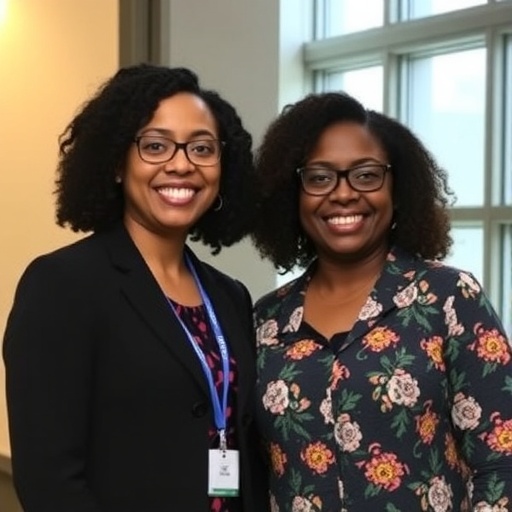
Glenview, Illinois—The American College of Chest Physicians (CHEST) and the Association of Pulmonary and Critical Care Medicine Program Directors (APCCMPD) have selected Anna Brady, MD, as the 2027 mentor for the fourth year of their Medical Educator Diversity Scholar Fellowship. The initiative is designed to expand access to formal training in medical education and research for pulmonary and critical care fellows working at institutions where educational resources, structured curricula, and experienced mentors may be limited. By connecting an early-career physician with an established medical educator outside their home institution, the fellowship aims to strengthen the pipeline of doctors who will teach future specialists in pulmonary and critical care medicine.
The fellowship was launched in August 2023 as a joint effort between CHEST and APCCMPD to promote diversity in respiratory-care education. Its central premise is that clinical expertise alone does not automatically prepare a physician to teach, assess learners, design curricula, or conduct education research. Medical education is a specialized field that draws on learning science, assessment theory, instructional design, program evaluation, and research methodology. Fellows selected for the program receive individualized guidance in these areas, allowing them to develop the skills needed to become effective educators while continuing their clinical training in pulmonary medicine, critical care medicine, or combined pulmonary and critical care medicine.
Brady is an associate professor at the Medical University of South Carolina, where she also serves as associate program director for the Pulmonary and Critical Care Medicine Fellowship. Her national educational experience includes participation in the APCCMPD Ambulatory Curriculum Workgroup and Education Committee. These roles place her at the intersection of day-to-day fellowship instruction and broader efforts to improve how pulmonary and critical care trainees learn. Ambulatory education is particularly important in respiratory medicine because many conditions, including asthma, chronic obstructive pulmonary disease, interstitial lung disease, pulmonary hypertension, and sleep-related breathing disorders, require longitudinal management rather than episodic hospital treatment.
The mentor’s role will extend beyond occasional advice. The selected mentee will work with Brady to create a personalized curriculum based on their professional goals, prior experience, and institutional needs. Such a curriculum may include training in lesson planning, bedside and simulation-based teaching, feedback delivery, competency assessment, curriculum mapping, and the use of educational data to improve instruction. In a competency-based training environment, educators must do more than document whether a fellow has encountered a procedure or disease; they must determine whether the trainee can perform safely, reason clinically, communicate effectively, and apply knowledge under realistic conditions. Learning how to define and measure those competencies is a major part of becoming an independent medical educator.
The fellowship also requires the mentor and mentee to develop a medical education research project. In practical terms, that could involve identifying a learning gap, designing an intervention, selecting valid outcome measures, analyzing results, and communicating findings through a conference presentation or peer-reviewed publication. Education research often depends on careful study design because improvements in learner performance can result from many factors, including increased clinical exposure, changes in supervision, or differences in patient populations. A well-designed project therefore needs a clearly defined research question and methods capable of distinguishing a genuine educational effect from unrelated changes in training conditions.
Brady described medical education as a central and rewarding part of her career, emphasizing that working with fellows is the best part of her job. She also highlighted the value of mentoring someone from outside her own institution. Cross-institutional mentorship can expose both participants to different teaching cultures, clinical workflows, patient populations, and approaches to assessment. For a fellow at a resource-stretched program, this exchange may provide access to educational models, research guidance, and professional networks that are not readily available locally. For the mentor, the relationship can reveal how educational strategies function in settings with different staffing patterns, technology, and institutional priorities.
The mentee position is open to active CHEST members who are training in a fellowship program that belongs to APCCMPD. Applicants must be first-year fellows in a two-year fellowship or first- or second-year fellows in a three-year fellowship, and their programs must be accredited in pulmonary medicine, critical care medicine, or pulmonary and critical care medicine. Candidates are expected to demonstrate a commitment to becoming medical educators in pulmonary and critical care medicine and to mentoring future trainees. They must also be training at an institution with limited opportunities, resources, or mentors in medical education, while bringing distinctive qualities and experiences that can contribute to an educational environment.
The eligibility structure reflects a broader concern in graduate medical education: opportunities to learn how to teach are unevenly distributed. Large academic centers may have dedicated education divisions, simulation facilities, instructional designers, statisticians, and faculty development programs. Smaller or resource-limited institutions may provide excellent clinical training but have fewer formal pathways for fellows who want to pursue education as a career. This difference can influence who becomes an educator, whose research questions receive support, and which perspectives are represented in training programs. By directing mentorship toward fellows with fewer local resources, CHEST and APCCMPD are attempting to address that imbalance without separating educational development from clinical fellowship training.
Applications for the mentee role are due Monday, November 2, according to the announcement. The selected fellow will spend the fellowship period working closely with Brady on professional development and the research project, with the goal of building a sustainable foundation for a career in medical education. The program’s organizers describe the initiative as an investment in respiratory-care training at a time when pulmonary and critical care physicians must prepare learners to manage increasingly complex disease, rapidly evolving technologies, and patients whose care often spans outpatient clinics, emergency departments, intensive care units, and home-based therapies. More information about eligibility and the application process is available through the APCCMPD program website.
Web References: https://www.chestnet.org/ ; https://www.apccmpd.org/ ; https://www.apccmpd.org/chest-and-apccmpd-med-ed-diversity-scholar-fellowship ; https://www.apccmpd.org/chest-apccmpd_mentee_meded-scholar-fellowship
Cite Scienmag News
Courtney Benton. (August 21, 2026). CHEST, APCCMPD Name Diversity PCCM Fellowship Mentor, Invite Mentee Applications. Scienmag. https://scienmag.com/chest-apccmpd-name-diversity-pccm-fellowship-mentor-invite-mentee-applications/
Courtney Benton. "CHEST, APCCMPD Name Diversity PCCM Fellowship Mentor, Invite Mentee Applications." Scienmag, 21 August 2026, https://scienmag.com/chest-apccmpd-name-diversity-pccm-fellowship-mentor-invite-mentee-applications/. Accessed 3 September 2026.
Courtney Benton. "CHEST, APCCMPD Name Diversity PCCM Fellowship Mentor, Invite Mentee Applications." Scienmag. August 21, 2026. https://scienmag.com/chest-apccmpd-name-diversity-pccm-fellowship-mentor-invite-mentee-applications/


