


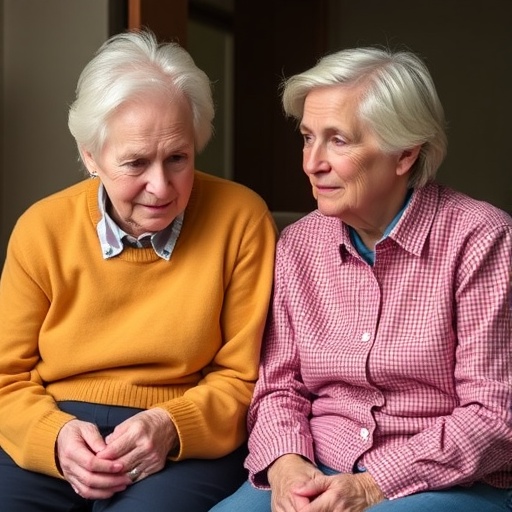
In recent advancements in geriatric psychiatry, a pivotal study has emerged investigating the risk factors associated with falls among older adults suffering from depression, specifically those receiving treatment with bupropion. The research, part of the OPTIMUM Randomized Clinical Trial, delves into critical facets of how pharmacotherapy can interact with the physiological and psychological state of elderly patients. As this demographic continues to grow, understanding these interactions is paramount for improving clinical practices and ensuring patient safety.
Bupropion, an antidepressant commonly prescribed for major depressive disorder and smoking cessation, has gained traction in recent years due to its unique mechanism of action compared to traditional SSRIs (selective serotonin reuptake inhibitors). It primarily works by inhibiting the reuptake of norepinephrine and dopamine, thus potentially offering a more favorable side effect profile. However, its implications for older adults, particularly those grappling with both depression and mobility issues, necessitate thorough examination.
The study presented compelling data revealing that older adults on bupropion were at an increased risk for falls, a critical concern for this already vulnerable population. Falls often lead to serious injuries, exacerbating mental health conditions and complicating recovery efforts. The research draws upon data from a randomized trial, ensuring a robust methodology that strengthens the validity of its findings. This sets a precedent for more comprehensive assessments of antidepressant treatments in elderly cohorts.
In analyzing the association between bupropion and fall risk, the research highlights several key factors that contribute to this delicate balance. The physiological changes associated with aging, such as decreased bone density and muscle strength, critically interact with medication side effects. These includes increased agitation or dizziness, common side effects linked to bupropion use. Understanding these interactions is essential for clinicians prescribing treatment and for fostering a safer environment for aging patients.
Additionally, the importance of mental health support cannot be understated in this context. Depression in older adults is often underdiagnosed, yet it significantly impacts their overall health, including physical mobility and the likelihood of experiencing a fall. This dual challenge underscores the importance of integrating mental health care with standard geriatric assessments to ensure comprehensive patient care.
The insights drawn from the OPTIMUM Trial spark essential conversations among healthcare professionals regarding the implications of antidepressant use in geriatric populations. It urges practitioners to adopt a holistic approach – focusing not only on alleviating depressive symptoms but also on evaluating the broader impacts of treatment on patients’ lives. Clinicians are now faced with navigating the complexities of treatment choices, particularly in balancing the benefits of antidepressants against the potential physical risks they may pose.
Elderly patients, particularly those with pre-existing conditions or polypharmacy, are often at heightened risk for adverse events. The findings of this study call for tailored therapeutic strategies that account for the unique needs of this age group. Developing individualized treatment plans while prioritizing safety could significantly reduce fall incidence rates and improve overall health outcomes for older adults.
Moreover, this research aligns with a growing body of evidence emphasizing the need for multidisciplinary care teams in geriatric medicine. Engaging physiotherapists, occupational therapists, and mental health professionals can enhance the understanding of multifactorial fall risks and promote holistic interventions that address both mental and physical health. Interprofessional collaboration is indispensable in advancing care strategies that protect vulnerable populations.
In light of these findings, further research will be vital to explore alternative therapeutic options for elderly patients struggling with depression. Investigating the efficacy and safety of other antidepressant agents or non-pharmacological interventions, such as psychotherapy or exercise, could yield important insights. It is crucial for ongoing clinical trials to consider the unique physiological and psychological factors at play in older demographics.
As the study by Bender and colleagues underscores the multifaceted relationship between psychiatric treatment and physical health in older adults, it also highlights broader public health implications. Increasing awareness among healthcare providers and improving training around geriatric care can lead to proactive measures that minimize risks and enhance the quality of life for aging individuals.
The potential reverberations from this research extend beyond clinical practice into the realm of health policy. Policymakers must consider these findings when shaping guidelines for the treatment of depression in older adults, advocating for safer prescribing practices and support systems that acknowledge the intricacies of geriatric mental health.
In conclusion, the risk factors for falls in older adults receiving bupropion treatment present a compelling case for improved clinical awareness and practice. The OPTIMUM Trial offers an opportunity to reassess common treatment paradigms while centering the safety and well-being of the aging population. As education, research, and healthcare policies adapt to the nuances of this demographic, the goal remains clear: to create a safer, healthier environment for our elders.
Subject of Research: Risk factors for falls in older depressed adults treated with bupropion.
Cite Scienmag News
Glenn Wilkins. (January 31, 2026). Bupropion and Fall Risks in Older Depressed Adults. Scienmag. https://scienmag.com/bupropion-and-fall-risks-in-older-depressed-adults/
Glenn Wilkins. "Bupropion and Fall Risks in Older Depressed Adults." Scienmag, 31 January 2026, https://scienmag.com/bupropion-and-fall-risks-in-older-depressed-adults/. Accessed 4 September 2026.
Glenn Wilkins. "Bupropion and Fall Risks in Older Depressed Adults." Scienmag. January 31, 2026. https://scienmag.com/bupropion-and-fall-risks-in-older-depressed-adults/


