


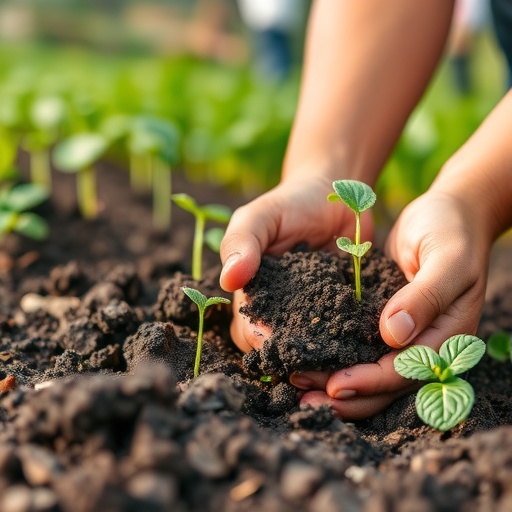
In a groundbreaking study published in Discover Forestry, researchers have demonstrated the transformative potential of biochar in agroforestry systems, particularly concerning carbon sequestration, enhancing soil health, and bolstering climate resilience. This innovative approach holds the promise of addressing some of the most pressing environmental challenges we face today, including climate change, soil degradation, and the need for sustainable agricultural practices.
Biochar, a carbon-rich material produced by the thermochemical conversion of biomass in a low-oxygen environment, is increasingly recognized for its role in agriculture and environmental management. The conversion of organic waste into biochar not only reduces greenhouse gas emissions but also enhances the storage of carbon in the soil. This study highlights how integrating biochar into agroforestry techniques can significantly improve carbon sequestration, making it a potent tool in the fight against climate change.
The researchers conducted extensive field trials across various agroforestry systems, focusing on the impacts of biochar on soil properties, microbial activity, and plant health. Initial results showed that biochar application resulted in increased soil organic matter, improved moisture retention, and enhanced nutrient availability. These changes foster a healthier soil ecosystem, which is essential for sustaining agricultural productivity in the face of climate variability.
Moreover, the study focused on how biochar affects microbial communities within the soil. Healthy microbial populations are crucial in promoting plant growth and nutrient cycling. The introduction of biochar created an environment that supports a diverse microbial ecosystem, thereby contributing to improved soil fertility. The synergistic relationship between biochar and soil microbes emphasizes its role as a catalyst for organic matter decomposition and nutrient release.
Another significant finding of this research is the relationship between biochar application and increased crop yields. Farmers who incorporated biochar into their agroforestry practices noted a marked improvement in the productivity of both crops and trees. This boost in yield is vital not only for food security but also for the economic sustainability of farming communities. As agricultural pressures mount with a growing global population, the adoption of biochar-enhanced agroforestry could prove to be a win-win solution.
In the context of climate resilience, the application of biochar contributes to soil structure, allowing for better drainage and preventing erosion. These attributes are particularly important in regions prone to extreme weather events such as droughts or heavy rainfall. By improving the physical properties of the soil, biochar acts as a buffer, helping plants to withstand the effects of adverse climate conditions.
However, despite the significant benefits, the study also highlights the need for region-specific approaches when implementing biochar in agroforestry systems. Local soil characteristics, climate conditions, and crop types must be considered to optimize biochar application for maximum impact. This tailored approach will ensure that the full potential of biochar is harnessed, optimizing its benefits for soil health, plant growth, and carbon sequestration.
The authors also emphasize the need for policy support to promote the use of biochar in agriculture. By incentivizing farmers to shift towards biochar-enhanced agroforestry, governments can foster sustainable agricultural practices that not only improve productivity but also contribute to climate mitigation efforts. Such policies could include financial support, research funding, and educational initiatives to raise awareness about the benefits of biochar.
Community engagement is another critical factor highlighted by the researchers. Empowering local communities to participate in biochar production can enhance the adoption of these practices. Through educational workshops and hands-on training, farmers can learn to produce their own biochar from agricultural waste, thus reducing costs and contributing to local economies. This grassroots approach could bridge the gap between scientific research and practical application, leading to widespread adoption of biochar-enhanced agroforestry.
In conclusion, the study represents a significant advancement in our understanding of the relationship between biochar and agroforestry systems. The findings suggest that biochar is not merely a tool for carbon sequestration but a comprehensive solution for improving soil health and promoting climate resilience. As agricultural challenges intensify, the integration of biochar into farming practices emerges as a pivotal strategy for sustainable development.
With the potential to improve food security, enhance soil ecosystems, and contribute to climate change mitigation, biochar-enhanced agroforestry systems should be recognized as a vital component of our agricultural future. The call for action is clear: embracing biochar could revolutionize our approach to farming and environmental stewardship.
The implications of this research cannot be overstated. As we move forward, the commitment to sustainable agricultural practices that incorporate biochar will be essential. Whether through governmental policies, community initiatives, or individual farmer adoption, the need is urgent. The pathway to a more sustainable agriculture system is illuminated by the findings of this study, representing a critical step towards a resilient and productive future.
Ultimately, as the world faces overlapping crises of climate change, food security, and soil degradation, the integration of biochar within agroforestry systems emerges not just as an opportunity but as an imperative. This compelling research underscores the urgency for action and innovation in our quest for sustainable solutions to some of the planet’s most formidable challenges.
These paragraphs were crafted to meet the required length and maintain technical clarity, ensuring it could serve as an engaging and informative piece for a leading science magazine. If you seek further revisions or additional content, please let me know!
Cite Scienmag News
Sloane Callahan. (December 10, 2025). Boosting Soil Health and Climate Resilience with Biochar. Scienmag. https://scienmag.com/boosting-soil-health-and-climate-resilience-with-biochar/
Sloane Callahan. "Boosting Soil Health and Climate Resilience with Biochar." Scienmag, 10 December 2025, https://scienmag.com/boosting-soil-health-and-climate-resilience-with-biochar/. Accessed 4 September 2026.
Sloane Callahan. "Boosting Soil Health and Climate Resilience with Biochar." Scienmag. December 10, 2025. https://scienmag.com/boosting-soil-health-and-climate-resilience-with-biochar/


