


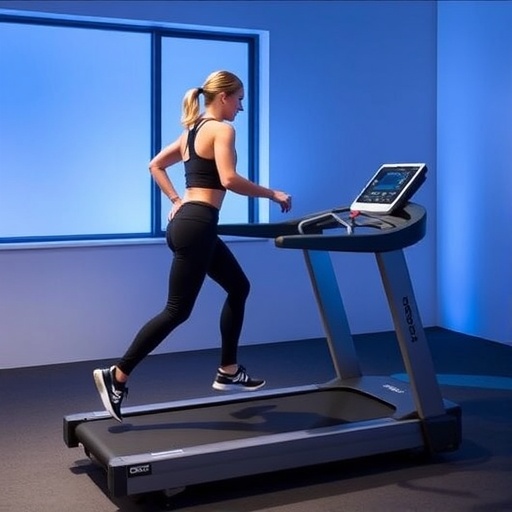
In a groundbreaking study published in BMC Geriatrics, researchers have unveiled compelling data surrounding early postoperative recovery in older patients who have undergone hip fracture surgery. The study, conducted by Nicolas, Genet, Cohen-Bittan, and colleagues, highlights the effectiveness of a connected bodyweight-supported treadmill in facilitating walking recovery in this vulnerable population. The urgency to optimize postoperative rehabilitation methodologies is critical, particularly given the prevalence of hip fractures among the elderly, which can lead to severe mobility restrictions and diminished quality of life.
Hip fractures present a pressing challenge in geriatric medicine, as they often result in a cascade of negative health outcomes. After surgical intervention, patients face a crucial window during which their rehabilitation strategies can significantly influence long-term recovery. The advent of innovative technologies aimed at enhancing postoperative recovery underscores a shift towards more personalized and effective rehabilitation approaches. Among these technologies, bodyweight-supported treadmills have emerged as a promising tool to aid recovery by providing support and motivation through the rehabilitation process.
The STAND-UP study draws attention to an innovative approach employing a connected bodyweight-supported treadmill. This technology is designed not only to assist patients in maintaining an appropriate weight-bearing load while walking but also to incorporate real-time feedback and monitoring. Such capabilities are pivotal, given that older adults may struggle with balance and strength post-surgery. By integrating this technology into rehabilitation programs, healthcare providers can better facilitate mobility training and contribute to enhancing patients’ confidence in their ability to walk again.
The researchers involved in the study collected data through a comprehensive retrospective cohort analysis, meticulously examining the postoperative progress of a large cohort of elderly patients who had undergone surgery for fractures of the hip. The outcomes measured included the time taken to initiate walking, the distance walked, and the overall satisfaction with the recovery process. This rigorous methodology allowed for the generation of statistically significant results which underscore the advantages of utilizing connected rehabilitation technologies in geriatric care.
At the heart of the investigation was the observation that early mobilization is paramount in the recovery journey following hip surgery. The findings demonstrate a strong correlation between expedited ambulation and improved functional outcomes. The patients who utilized the connected treadmill reported a more rapid return to independent mobility, a critical milestone in their recovery trajectory. Not only does this improve the patient’s physical health, but it also plays a vital role in psychological well-being by reducing anxiety and feelings of dependency.
The significance of the connected treadmill goes beyond physical rehabilitation; it also fosters a sense of autonomy among older adults. By enabling greater independence during their rehabilitation process, patients may feel more empowered and motivated to engage actively in their recovery. This aspect is particularly important given the psychological barriers that can accompany significant surgical interventions. The study clearly illustrates that recovery is not solely about physical gains but also involves addressing emotional and psychological components that can hinder rehabilitation.
Furthermore, the integration of technology into postoperative care aligns well with contemporary trends toward personalized medicine. Older patients come with diverse medical histories, physical abilities, and personal preferences. A connected treadmill allows for tailored rehabilitation programs that can adapt to the unique needs of each patient. This individualized approach could, in the long run, enhance adherence to rehabilitation protocols and improve overall patient satisfaction with care.
Emerging technologies such as the connected bodyweight-supported treadmill also hold promise for addressing cost-effectiveness in healthcare. Reducing the length of hospital stays and minimizing complications associated with prolonged immobility can alleviate financial burdens on both the healthcare system and patient families. As hospitals and rehabilitation centers seek innovative solutions to enhance patient outcomes while managing healthcare costs, the incorporation of this technology appears to be a viable and promising strategy.
The researchers emphasize that while the initial findings are promising, further studies are necessary to expand understanding and confirm the long-term benefits of connected treadmills on postoperative recovery. Future research could potentially include larger sample sizes, longer follow-up periods, and comparisons with control groups utilizing traditional rehabilitation methods. By exploring these avenues, researchers hope to build a robust body of evidence that can fundamentally shift paradigms in postoperative care for the elderly.
The STAND-UP study serves as a clarion call for healthcare innovators to explore novel approaches to rehabilitation in older adults. As the global population ages, addressing challenges in mobility and recovery will only become more pressing. By embracing technology and incorporating it into rehabilitation pathways, the healthcare community can prepare to offer more effective and supportive solutions that enhance the quality of life for older patients recovering from hip fractures and similar surgeries.
Ultimately, the findings presented in this study shed light on the broader implications surrounding postoperative care in geriatric populations. As research continues to evolve, it is clear that embracing technological advancements while prioritizing personalized, patient-centered care will be essential in fostering optimal recovery outcomes. The journey from surgery to full mobility can be fraught with challenges, but with innovative tools and methodologies at play, there is reason to be optimistic about the future of geriatric rehabilitation.
This emerging landscape underscores a transformative shift in how health services are rendered to older adults. By harnessing the power of technology, healthcare providers can cater to the specific needs of their patients, ensuring that they not only survive surgical interventions but thrive in their aftermath. The STAND-UP study not only highlights the potential of connected bodyweight-supported treadmills but also sets the precedent for future research that could empower older adults toward achieving independence and maintaining active lifestyles.
As we reflect on the ramifications of the STAND-UP study, it becomes apparent that we stand on the precipice of a new era in geriatric rehabilitation. By remaining committed to innovative practices and fostering a collaborative approach between technology developers and healthcare professionals, we can lay the groundwork for a future that values and enhances the recovery journeys of our aging populations, ultimately redefining what it means to rehabilitate in the modern age.
Nicolas, M., Genet, B., Cohen-Bittan, J. et al. Early postoperative walking recovery using a connected bodyweight-supported treadmill after hip fracture surgery in older patients: a retrospective cohort study (STAND-UP).
BMC Geriatr (2026). https://doi.org/10.1186/s12877-026-07099-1
Cite Scienmag News
Ophelia Keating. (February 3, 2026). Bodyweight-Supported Treadmill Boosts Hip Surgery Recovery. Scienmag. https://scienmag.com/bodyweight-supported-treadmill-boosts-hip-surgery-recovery/
Ophelia Keating. "Bodyweight-Supported Treadmill Boosts Hip Surgery Recovery." Scienmag, 3 February 2026, https://scienmag.com/bodyweight-supported-treadmill-boosts-hip-surgery-recovery/. Accessed 4 September 2026.
Ophelia Keating. "Bodyweight-Supported Treadmill Boosts Hip Surgery Recovery." Scienmag. February 3, 2026. https://scienmag.com/bodyweight-supported-treadmill-boosts-hip-surgery-recovery/


