


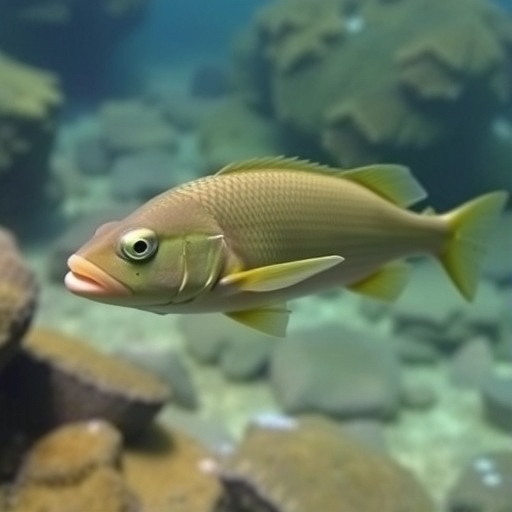
In a groundbreaking study published in Environmental Monitoring and Assessment, researchers delve into the ecological significance of Tenagi Philippi, a region characterized by its astounding fishfauna biodiversity amid escalating human pressures. The multifaceted research, led by esteemed scientists including Sapounidis, Koutrakis, and Papadopoulou, reveals alarming insights into how anthropogenic activities are affecting this vital aquatic ecosystem. This area, notable for its rich biodiversity, faces growing threats that could undermine its ecological integrity.
Identified as a crucial habitat for diverse fish species, Tenagi Philippi stands out for its unique ecological features. The area teems with life and offers vital breeding and feeding grounds for various fish populations. However, despite its natural wealth, the region is increasingly vulnerable to human impacts such as pollution, overfishing, and habitat degradation. The researchers emphasize the urgent need to evaluate the balance between preserving this ecological treasure and managing human activities that could be detrimental.
The study meticulously assessed fish populations within Tenagi Philippi, employing various methodologies including underwater surveys and ecological modeling. Utilizing a diverse array of tools, researchers cataloged numerous fish species and examined their population dynamics in relation to environmental conditions. This comprehensive approach provided invaluable insights into the intricate relationships among species, their habitats, and the effects of external pressures.
One of the study’s highlights is the stunning diversity of fish fauna in Tenagi Philippi, with researchers identifying numerous endemic and rare species. The researchers underscore the importance of protecting these species, as they play key roles in maintaining the balance of the aquatic ecosystem. The area serves not only as a biological sanctuary but also as a barometer for assessing the health of marine environments in the face of human-induced changes.
In parallel with biological assessments, the research team evaluated the level of human activity affecting Tenagi Philippi. The findings revealed significant levels of pollution and habitat disruption, primarily attributable to urban development and industrial endeavors. Species that inhabit or migrate through the area are increasingly faced with pressures that disrupt their natural behaviors, leading to potential declines in population numbers.
The implications of this research extend far beyond Tenagi Philippi itself, raising critical questions about conservation practices and policy-making in similar ecosystems across the globe. By understanding how high fishfauna biodiversity interacts with human pressures, conservationists and policymakers can better craft strategies aimed at mitigating ecological degradation. The researchers advocate for a collaborative approach that involves local communities, stakeholders, and government entities in developing robust management plans.
An emerging theme of the research highlights the potential for areas like Tenagi Philippi to serve as models for resilience in changing environments. Protecting biodiversity can bolster the ecological health of a region, providing ecosystem services such as carbon sequestration and nutrient cycling that contribute to climate regulation. The authors contend that conservation efforts should not only focus on protecting individual species but also on preserving the intricate web of interactions that sustain aquatic ecosystems.
To bolster the effectiveness of conservation measures, the researchers suggest integrating traditional ecological knowledge with contemporary scientific approaches. Engaging local communities—and understanding their cultural ties to the ecosystem—can enhance conservation outcomes and foster greater stewardship of natural resources. This grassroots involvement is vital in sustaining both the ecological and cultural heritage of areas like Tenagi Philippi.
Resilience strategies must also account for the sociopolitical dimensions impacting conservation efforts. The research indicates that legislation and policies guiding environmental protection often lag behind the needs of rapidly changing ecosystems. Therefore, a proactive approach integrating environmental science with community engagement and policy advocacy is essential to safeguard Tenagi Philippi’s ecological integrity.
In conclusion, the research undertaken at Tenagi Philippi serves as a clarion call for heightened awareness and action regarding the protection of biodiversity in the face of pressing human activities. By illuminating the complex dynamics between biodiversity and human impact, this study underscores the urgent need for concerted conservation action. Ensuring the health of such invaluable ecosystems is imperative, not only for the myriad species residing within them but also for the broader ecological and human communities that rely on their vitality.
As climate change, pollution, and habitat destruction present ongoing challenges, the understanding gleaned from Tenagi Philippi can inform strategies to combat these issues globally. The future of this unique area—and other biodiverse ecosystems like it—depends on a collective commitment to fostering coexistence between human progress and ecological preservation. Ultimately, the path forward lies in recognizing the intrinsic value of biodiversity as integral to our planet’s health and resilience in the face of adversity.
Through this comprehensive exploration, the study sheds light on Tenagi Philippi’s unique ecological role while urging stakeholders to take immediate action. Only by recognizing the fragile balance within such ecosystems can we hope to ensure their continued existence for generations to come. The journey toward sustainable management begins with knowledge, understanding, and a shared commitment to protecting our planet’s rich biodiversity.
Sapounidis, A., Koutrakis, M., Papadopoulou, P. et al. Tenagi Philippi, an area of high fishfauna biodiversity and high human pressure.
Environ Monit Assess 197, 1223 (2025). https://doi.org/10.1007/s10661-025-14659-2
Cite Scienmag News
Margaret Porter. (October 20, 2025). Biodiversity Hotspot: Tenagi Philippi’s Rich Fishfauna Threatened. Scienmag. https://scienmag.com/biodiversity-hotspot-tenagi-philippis-rich-fishfauna-threatened/
Margaret Porter. "Biodiversity Hotspot: Tenagi Philippi’s Rich Fishfauna Threatened." Scienmag, 20 October 2025, https://scienmag.com/biodiversity-hotspot-tenagi-philippis-rich-fishfauna-threatened/. Accessed 3 September 2026.
Margaret Porter. "Biodiversity Hotspot: Tenagi Philippi’s Rich Fishfauna Threatened." Scienmag. October 20, 2025. https://scienmag.com/biodiversity-hotspot-tenagi-philippis-rich-fishfauna-threatened/


