


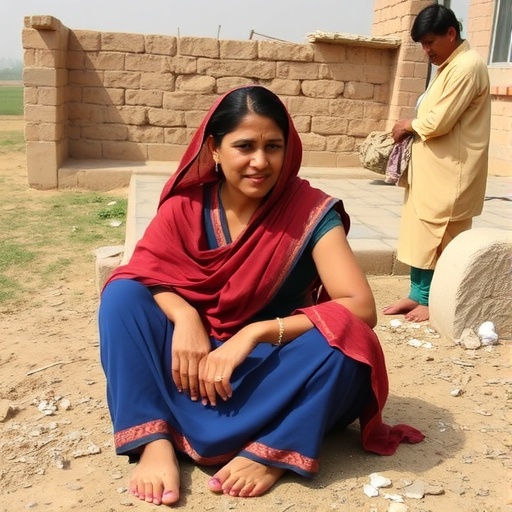
In the rural landscapes of Pakistan, where tradition meets the stark realities of healthcare access, community midwives are at the forefront of maternal health services. New research highlights the profound challenges these dedicated health workers face in delivering essential services to expectant mothers. As highlighted in the recent study by Khowaja, Feroz, and Rani, the community midwives are not just healthcare providers; they are essential lifelines for maternal health in underserved areas, yet they navigate a complex labyrinth of obstacles that hinder their effectiveness.
The study reveals a multifaceted picture of the ongoing difficulties faced by community midwives in Pakistan. The rural regions, characterized by scattered populations and limited infrastructure, result in significant barriers to healthcare access. Midwives often face daunting travel conditions to reach expectant mothers. Poor road conditions and a lack of reliable transportation compound these issues, leading to delayed treatment and increased risks during childbirth. This logistical nightmare calls for urgent attention and innovative solutions to enhance accessibility to maternal care in these regions.
Moreover, cultural norms in various communities serve both as a support system and as a barrier. Community midwives are often embroiled in local traditions and practices that can complicate their roles. While many women in these communities may feel comfortable seeking care from a midwife, they might also be constrained by societal expectations regarding childbirth practices. Additionally, the presence of traditional birth attendants in many areas can lead to fierce competition for trust and credibility, complicating midwives’ efforts to promote modern healthcare practices.
The insufficient training and sporadic professional development opportunities are significant challenges noted in the study. Many community midwives operate with limited formal education or training, which not only affects their confidence but also the quality of care they provide. Continuous professional education is essential for keeping pace with the evolving landscape of maternal health practices. The need for structured and accessible training programs that focus on evidence-based practices is crucial for empowering these midwives in their roles.
Communication barriers further exacerbate the difficulties encountered by community midwives. The linguistic diversity among different ethnic groups in Pakistan can hinder effective communication with patients. This disconnect can lead to critically incorrect information exchange regarding maternal health issues, ultimately endangering the lives of mothers and their newborns. By recognizing these linguistic nuances and employing bilingual strategies, community healthcare systems can bridge these gaps effectively.
Financial constraints also play a pivotal role in limiting the capabilities of community midwives. Many operate without adequate remuneration, which can diminish motivation and affect service delivery. In rural contexts, where resources are scarce, ensuring competitive salary structures and providing necessary incentives can play a crucial role in retaining skilled professionals in these essential roles. Financial sustainability is key to fostering a reliable workforce capable of meeting the complex healthcare needs of rural populations.
The integration of technology in maternal health could potentially address many of these challenges. Telemedicine, mobile health applications, and online training modules can offer community midwives innovative tools to reach expectant mothers more effectively. These platforms can allow midwives to conduct prenatal checks, offer consultations, and share educational content without the need for extensive travel. Embracing technology can streamline communications and foster better relationships between midwives and the communities they serve.
Addressing these challenges requires a collaborative approach involving government, healthcare organizations, and community leaders. Policy frameworks that cater to the unique needs of rural healthcare, particularly regarding maternal health, are vital. Engaging local communities in discussions around these healthcare delivery challenges can lead to more culturally sensitive and effective strategies. It is essential to foster an environment where community input shapes healthcare policy, ensuring that solutions are aligned with the expectations and norms of those they aim to serve.
The emotional toll on community midwives also warrants attention. These individuals frequently face high-stress situations, dealing with complicated pregnancies and adverse outcomes that can impact their mental health. The lack of institutional support can lead to burnout among midwives, raising concerns over the future of maternal healthcare delivery in rural regions. Establishing mental health resources for these frontline workers is paramount to their well-being and to maintaining high-quality care for mothers and children.
Furthermore, the broader socioeconomic factors affecting rural communities cannot be overlooked. Issues such as poverty, education, and overall health literacy significantly influence maternal health outcomes. Community midwives operate within a framework of social determinants of health that include all of these factors and more. Enhancing education opportunities for women, improving economic conditions, and fostering a culture of health literacy can synergistically improve maternal health outcomes, reinforcing the role of midwives in delivering care.
Despite the numerous challenges outlined in the research, the resilience and commitment of community midwives in Pakistan shine through. Their unwavering determination to serve their communities exemplifies the critical role of frontline health workers in addressing maternal health disparities. As the findings of this study circulate, they offer a clarion call for stakeholders to prioritize support and resources for these invaluable health providers. The future of maternal health in rural Pakistan hinges on the recognition and empowerment of community midwives who stand at the crossroads of healthcare innovation and cultural traditions.
In conclusion, the study of the challenges encountered by community midwives in Pakistan serves as a pivotal reminder of the need for targeted interventions in maternal health services. By harnessing technology, cultivating financial sustainability, and encouraging community involvement, a new chapter in maternal health can be forged. The journey towards improved maternal health in rural Pakistan is ongoing, but it is at the hands of dedicated professionals who will inspire change and save lives.
Cite Scienmag News
Ophelia Keating. (November 3, 2025). Barriers Faced by Community Midwives in Rural Pakistan. Scienmag. https://scienmag.com/barriers-faced-by-community-midwives-in-rural-pakistan/
Ophelia Keating. "Barriers Faced by Community Midwives in Rural Pakistan." Scienmag, 3 November 2025, https://scienmag.com/barriers-faced-by-community-midwives-in-rural-pakistan/. Accessed 4 September 2026.
Ophelia Keating. "Barriers Faced by Community Midwives in Rural Pakistan." Scienmag. November 3, 2025. https://scienmag.com/barriers-faced-by-community-midwives-in-rural-pakistan/


