


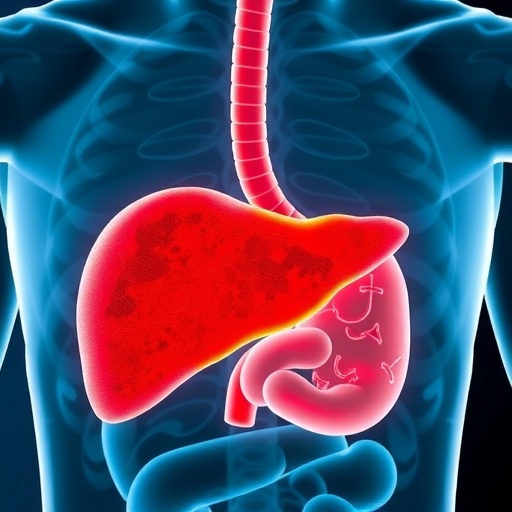
Scientists at the Medical University of South Carolina (MUSC) have unveiled a promising new avenue in the fight against metabolic dysfunction-associated steatohepatitis (MASH), a chronic liver condition affecting hundreds of millions globally and a leading indication for liver transplantation. Their groundbreaking findings suggest that formoterol, a medication historically prescribed for respiratory diseases such as asthma and chronic obstructive pulmonary disease (COPD), could be repurposed to potentially reverse this debilitating liver disease.
MASH represents a progressive stage of fatty liver disease, characterized by fat accumulation in the liver alongside inflammation and damage that may culminate in fibrosis, cirrhosis, and ultimately liver failure. The condition is tightly linked with the metabolic syndrome epidemic, including obesity and type 2 diabetes, posing an increasing global public health challenge. Despite the urgency, effective treatment options remain limited, with only modestly effective therapies currently available that do not fully reverse liver damage.
The research journey that led to this novel hypothesis began serendipitously during a separate study focusing on kidney injury associated with diabetes. Researchers administered formoterol to rodents with diabetic kidney disease and observed not only improvements in renal health but also an unexpected reduction in liver fat accumulation. This surprising collateral benefit ignited further investigation into the potential hepatic benefits of beta-2 adrenergic receptor agonism.
Delving deeper, the MUSC team employed a dietary mouse model designed to mimic MASH’s pathophysiology by inducing fatty liver disease through a high-fat diet. Subsequent treatment with formoterol yielded a remarkable reversal of fatty liver pathology, demonstrating improvements across histologic, ultrastructural, and functional parameters. These findings signaled a breakthrough, highlighting the possible restorative capabilities of this class of drugs on metabolic liver injury.
Exploring the mechanistic underpinnings, the study revealed that formoterol promotes mitochondrial biogenesis — a process invigorating the number and function of mitochondria within liver cells. As mitochondria serve as the powerhouse of the cell, enhancing their biogenesis and efficiency has profound implications for cellular metabolism and recovery from injury. By revving up mitochondrial function, formoterol appears to restore metabolic homeostasis and mitigate the progressive damage typical of MASH.
Complementing animal model insights, a retrospective review of patients using beta-2 agonists for respiratory conditions revealed clinically significant associations: those individuals exhibited reduced incidence of liver-related outcomes such as cirrhosis and overall mortality. While observational, these data provide crucial translational evidence suggesting the therapeutic potential of beta-2 agonists beyond pulmonary indications.
Currently, two drugs—resmetirom and semaglutide—have received approval to manage MASH, primarily improving liver markers but with limited reversibility of established damage and associated adverse effects. Unlike these agents, formoterol demonstrated the capacity to not merely slow disease progression but actively reverse damage, marking a paradigm shift in therapeutic strategy.
Given formoterol’s longstanding clinical use and well-characterized safety profile in respiratory disease contexts, its repositioning as a metabolic therapy could expedite development timelines and regulatory pathways. Dr. Joshua Lipschutz, leading this pioneering research, emphasizes the efficiency of drug repurposing: leveraging an already approved medication offers a pragmatic and expedient approach to addressing unmet needs in metabolic disease treatment.
Interestingly, the initial clinical trial underway targets diabetic kidney disease, reflecting the intersecting pathophysiology shared with MASH. Over 60% of patients with diabetic nephropathy concurrently suffer from MASH, driven by common mechanisms of metabolic dysfunction. Thus, this trial effectively serves a dual purpose, potentially unveiling benefits for two life-threatening diabetic complications within a single study framework.
Despite these encouraging developments, pivotal questions remain. The MASH-related data largely originate from murine models, and whilst human retrospective analyses are supportive, causality has yet to be established. Determining optimal dosing regimens for metabolic indications, clarifying route-of-administration efficacy (inhaled versus systemic), and evaluating the sustainability of therapeutic benefits over time are critical next steps in research.
Dr. Lipschutz cautions that no pharmacological agent is without risk: “Anything strong enough to do good can do bad.” This apt reminder underscores the imperative for thorough clinical evaluation to balance efficacy with safety as formoterol’s potential expands beyond its traditional scope.
Advancing through rigorously designed clinical trials, the scientific community awaits confirmation of these groundbreaking preclinical observations. Should the trials prove successful, the repurposing of formoterol would herald a new, cost-effective, and relatively safe treatment option for patients burdened by metabolic liver disease and diabetic kidney pathology.
Collectively, this research exemplifies the power of cross-disciplinary exploration, revealing how insights from nephrology and respiratory medicine can unexpectedly converge to unlock therapeutic innovations in hepatology. The possibility that a decades-old asthma medication might resolve complex metabolic disorders provides a beacon of hope and a clarion call for the continued pursuit of novel drug repurposing strategies in medical science.
News Publication Date: 22-Mar-2026
Web References: 10.1038/s44324-026-00108-2
Cite Scienmag News
Ophelia Keating. (May 8, 2026). Asthma Medication Exhibits Potential to Reverse Fatty Liver Disease. Scienmag. https://scienmag.com/asthma-medication-exhibits-potential-to-reverse-fatty-liver-disease/
Ophelia Keating. "Asthma Medication Exhibits Potential to Reverse Fatty Liver Disease." Scienmag, 8 May 2026, https://scienmag.com/asthma-medication-exhibits-potential-to-reverse-fatty-liver-disease/. Accessed 3 September 2026.
Ophelia Keating. "Asthma Medication Exhibits Potential to Reverse Fatty Liver Disease." Scienmag. May 8, 2026. https://scienmag.com/asthma-medication-exhibits-potential-to-reverse-fatty-liver-disease/


