


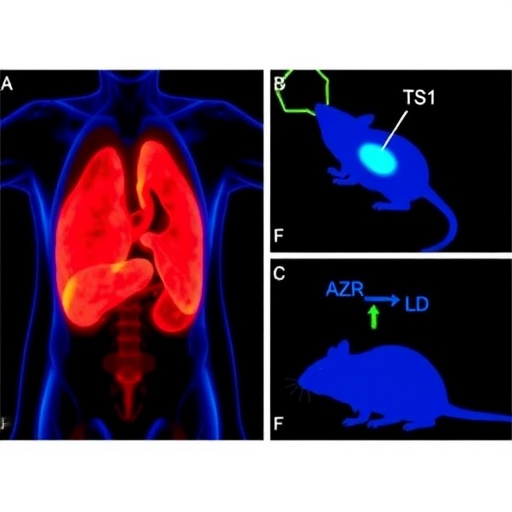
In recent years, the increasing prevalence of thyroid disorders has sparked considerable interest in understanding their far-reaching effects on various bodily functions, particularly the reproductive system. As highlighted in a recent study, the detrimental impacts of hyperthyroidism on testicular health have raised urgent questions surrounding possible therapeutic interventions. This compelling research sheds light on the protective roles of ascorbic acid (commonly known as Vitamin C) and folic acid in counteracting the adverse consequences induced by elevated thyroxin levels in hyperthyroid rats.
The overarching question arises: how does hyperthyroidism lead to testicular dysfunction? Hyperthyroidism is characterized by an overproduction of thyroid hormones, primarily thyroxin, which can contribute to significant physiological changes. These hormonal disruptions often manifest through alterations in metabolic processes, oxidative stress, and even inflammatory responses within the body. Such consequences can severely compromise testicular function, which ultimately impacts fertility and overall reproductive health.
The experimental model used in this research focused on hyperthyroid rats, which serve as a powerful representation of human thyroid dysfunction. These animals were subjected to thyroxin administration, simulating the pathophysiological conditions of hyperthyroidism. Following this, the researchers introduced ascorbic acid and folic acid as potential protective agents, hypothesizing that these antioxidants could mitigate the oxidative damage caused by thyroxin.
Ascorbic acid has long been celebrated for its antioxidant properties, playing a pivotal role in neutralizing free radicals that cause cellular damage. The study employed a range of biochemical analyses to assess testicular function and oxidative stress markers. These evaluations revealed that ascorbic acid significantly reduced the levels of oxidative stress in the testicular tissues of hyperthyroid rats, indicating a protective effect against thyroxin-induced damage. This finding underscores the critical role that dietary antioxidants can play in safeguarding reproductive health.
Folic acid, another potent antioxidant, was also evaluated for its protective properties in this research. Known primarily for its importance in DNA synthesis and repair, folic acid has been shown to exhibit protective mechanisms in various biological systems. The study demonstrated that folic acid administration led to a notable reduction in testicular dysfunction parameters, showcasing its potential as a preventive strategy against hormone-induced reproductive impairments.
The findings of this research not only open new avenues for therapeutic interventions in hyperthyroid individuals but also emphasize the importance of nutrition in maintaining reproductive health. The combination of ascorbic and folic acids offers a promising strategy for managing the oxidative stress associated with thyroid dysfunction. This raises important implications for dietary recommendations, particularly for individuals diagnosed with hyperthyroidism or other thyroid-related disorders.
Interestingly, the interactions between thyroid hormones and antioxidants like ascorbic and folic acid extend beyond mere cellular protection. The study hints at a complex interplay of biochemical pathways in which these antioxidants may influence hormonal regulation, potentially leading to improved overall thyroid function. Such insights could spur further investigations into how nutritional interventions might serve as adjunctive therapies in managing thyroid dysfunction.
Moreover, the broader implications of this research point to a growing recognition of the role that lifestyle factors play in modulating health outcomes. The integration of antioxidants into dietary practices could yield significant benefits not just for those struggling with thyroid issues, but for the general population interested in optimizing reproductive health. It compels us to consider the broader message: nutrition should be a cornerstone of discussions surrounding hormonal health.
Pharmaceutical interventions remain a cornerstone in managing hyperthyroidism, but these findings encourage exploration into complementary approaches. As research evolves, it is essential to recognize that leveraging natural compounds like vitamins could integrate well with existing medical strategies, offering a holistic approach to patient care.
As awareness of the critical link between nutrition and reproductive health continues to grow, this study stands out as a crucial piece of the puzzle. Future research endeavors will build upon these findings, exploring the mechanisms by which these antioxidants exert their beneficial effects and assessing their efficacy in human populations. A multidisciplinary approach—combining endocrinology, nutrition, and reproductive health—will prove pivotal in addressing the rising concerns of thyroid disorders in both men and women.
As we progress into an era where personalized medicine takes center stage, the role of diet as a modifying factor in hormonal health cannot be underestimated. The insights gleaned from the study underscore that a balanced intake of essential vitamins and antioxidants is not merely beneficial but could be life-changing for those affected by thyroid dysfunction.
The dialogue surrounding hyperthyroidism and its effects on reproductive health will undoubtedly continue to evolve. Understanding the underlying mechanisms, exploring additional antioxidant combinations, and assessing long-term outcomes will be vital next steps. This research serves as a catalyst, igniting further inquiry into how we can harness the power of nutrition for better health outcomes in endocrinology and reproductive medicine.
As we delve deeper into this complex relationship, it becomes increasingly clear that managing thyroid dysfunction effectively requires a comprehensive understanding of both medical treatment and lifestyle modifications. The journey towards improved reproductive health in the face of thyroid disorders is just beginning, and research like this is leading the way towards innovative solutions empowered by nature.
In conclusion, this groundbreaking study presents a promising narrative about the protective roles of ascorbic and folic acids against testicular dysfunction resulting from hyperthyroid conditions. While much work remains to be done, the preliminary findings pave the way for exciting new research avenues that could potentially transform the landscape of treatment for individuals grappling with thyroid-related reproductive challenges.
Beltagy, D.M., Mohamed, T.M., El Said, A.S. et al. Retraction Note: Beneficial role of ascorbic and folic acids antioxidants against thyroxin-induced testicular dysfunction in hyperthyroid rats.
Environ Sci Pollut Res (2026). https://doi.org/10.1007/s11356-026-37473-w
Cite Scienmag News
Violet Maxwell. (February 3, 2026). Antioxidants Protect Testes from Thyroxin Damage in Rats. Scienmag. https://scienmag.com/antioxidants-protect-testes-from-thyroxin-damage-in-rats/
Violet Maxwell. "Antioxidants Protect Testes from Thyroxin Damage in Rats." Scienmag, 3 February 2026, https://scienmag.com/antioxidants-protect-testes-from-thyroxin-damage-in-rats/. Accessed 3 September 2026.
Violet Maxwell. "Antioxidants Protect Testes from Thyroxin Damage in Rats." Scienmag. February 3, 2026. https://scienmag.com/antioxidants-protect-testes-from-thyroxin-damage-in-rats/


