


In the realm of archaeology, the intricate tapestry of human history is often revealed through the study of ancient monuments, cemeteries, and art forms. A recent investigation by researchers Benattia, Onrubia-Pintado, and Bokbot has illuminated the significance of such cultural artifacts, specifically those in the Tangier Peninsula of Northwestern Africa. In their comprehensive analysis, the authors traverse a timeline from approximately 3000 to 500 BC, presenting an insightful exploration of the region’s ritualistic practices and the sociocultural dynamics that shaped them.
The Tangier Peninsula presents a unique geological and geographical backdrop that contributed to the evolution of its early cultures. With the Mediterranean to the north and the Atlantic Ocean to the west, this area served as both a nexus for trade and a crucible for cultural exchanges. The confluence of these influences is evident in the rock art and burial practices that characterize the landscape, highlighting a deep connection between the environment and the communities that thrived there.
Cemeteries, as discussed in this study, serve as monumental testaments to the values and beliefs of past societies. The authors meticulously document various burial rites, each reflecting the spiritual and social hierarchies of the time. The arrangement of graves, the materials used in interments, and accompanying artifacts tell stories of how ancient peoples understood life, death, and the afterlife. Each cemetery unveils its own narrative, contributing to a broader understanding of regional variations in funerary practices.
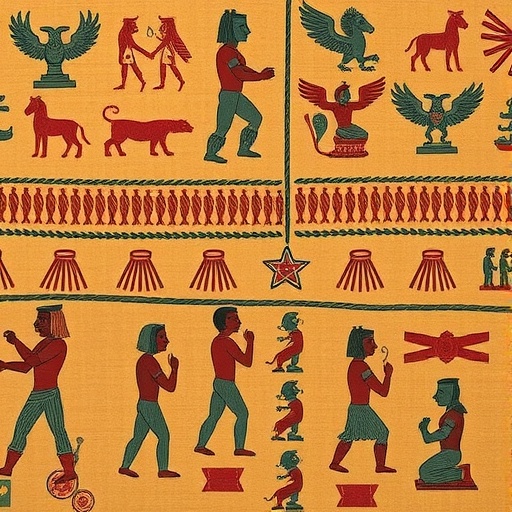
In tandem with burial customs, the rock art of the Tangier Peninsula offers a glimpse into the psyche of its ancient inhabitants. These vibrant depictions, often etched onto stone surfaces, provide insights into the daily lives, religious beliefs, and environmental interactions of the time. By analyzing motifs—ranging from animals to human figures—the researchers decode the messages these artists sought to convey. This interplay between art and culture is essential for grasping the complexities of human expression through the ages.
Integral to the authors’ argument is the idea that rituals and monuments are not standalone phenomena; rather, they exist within a web of social relationships and cultural practices that span regions and epochs. The paper makes a compelling case for examining these artifacts in a trans-regional context. Understanding the influences and exchanges between neighboring cultures is crucial for a holistic interpretation of the archaeological record, as highlighted in their findings.
The exploration of ritual monuments extends beyond the confines of cemeteries and rock art. The authors delve into other ceremonial structures that may have facilitated communal gatherings or sacred observances. These sites, often overlooked, reveal the architectural and urban planning capabilities of these communities. The intricate designs of such monuments signify the sophistication with which ancient peoples approached their social organization and religious practices.
Moving beyond mere descriptions, the authors employ advanced methodologies in their study. These include stratigraphic analysis, radiocarbon dating, and geographic information systems (GIS), which allow for a precise reconstruction of the historical landscape. By leveraging these techniques, researchers can create detailed timelines and maps that paint a fuller picture of how civilizations developed in this strategically important region over millennia.
The implications of this research extend into contemporary discussions about cultural heritage and conservation. The findings underscore the need to preserve not only physical artifacts but also the stories and meanings they convey. This struggle against the erosion of history, driven by natural forces and human activity, necessitates a reevaluation of how societies engage with their pasts. The authors advocate for a multidisciplinary approach to heritage management, promoting collaboration among archaeologists, historians, and local communities.
One of the critical arguments presented in the paper is the necessity of recognizing the interconnectedness of different cultural practices across time. This perspective encourages a more nuanced appreciation of how ancient civilizations influenced one another, often through trade, warfare, or migration. Such interactions are not simply historical footnotes; they are vital components of understanding how distinct yet interconnected human experiences shaped this region’s cultural legacy.
The research also raises thought-provoking questions about identity and belonging within the context of ancient societies. The ways in which communities memorialized their dead, celebrated their deities, and expressed their artistic sensibilities all hint at a collective identity tied to the land they inhabited. By investigating these themes, the authors offer a pathway to understanding how communal bonds were forged and sustained among early populations.
In light of these discussions, the authors emphasize the relevance of their findings within the broader scope of archaeological discourse. As the field increasingly embraces interdisciplinary methodologies, these insights contribute to a more comprehensive narrative of human history, particularly in the context of Northwestern Africa. The region’s contributions to early human civilization, often marginalized in mainstream narratives, take center stage through this research.
As the study comes to a close, the authors call for further investigation into the untapped potential of the Tangier Peninsula’s archaeological sites. They advocate for responsible excavation practices and the integration of local knowledge in research endeavors. Acknowledging the rich heritage of the region, they position the Tangier Peninsula not just as a point of interest, but as a pivotal area in understanding regional and trans-regional interactions across ancient civilizations.
In conclusion, the work of Benattia, Onrubia-Pintado, and Bokbot provides a groundbreaking perspective on the cemeteries, rock art, and ritual monuments of the Tangier Peninsula. By weaving together threads of historical analysis, cultural interpretation, and methodological innovation, this research opens new avenues for exploration in the field of archaeology. It is a testament to the enduring connection between humanity and its past, reminding us that through the study of ancient practices, we can gain profound insights into the human experience that transcend time and geography.
Cite Scienmag News
Courtney Benton. (January 17, 2026). Ancient Rituals of Northwestern Africa Uncovered. Scienmag. https://scienmag.com/ancient-rituals-of-northwestern-africa-uncovered/
Courtney Benton. "Ancient Rituals of Northwestern Africa Uncovered." Scienmag, 17 January 2026, https://scienmag.com/ancient-rituals-of-northwestern-africa-uncovered/. Accessed 3 September 2026.
Courtney Benton. "Ancient Rituals of Northwestern Africa Uncovered." Scienmag. January 17, 2026. https://scienmag.com/ancient-rituals-of-northwestern-africa-uncovered/


