


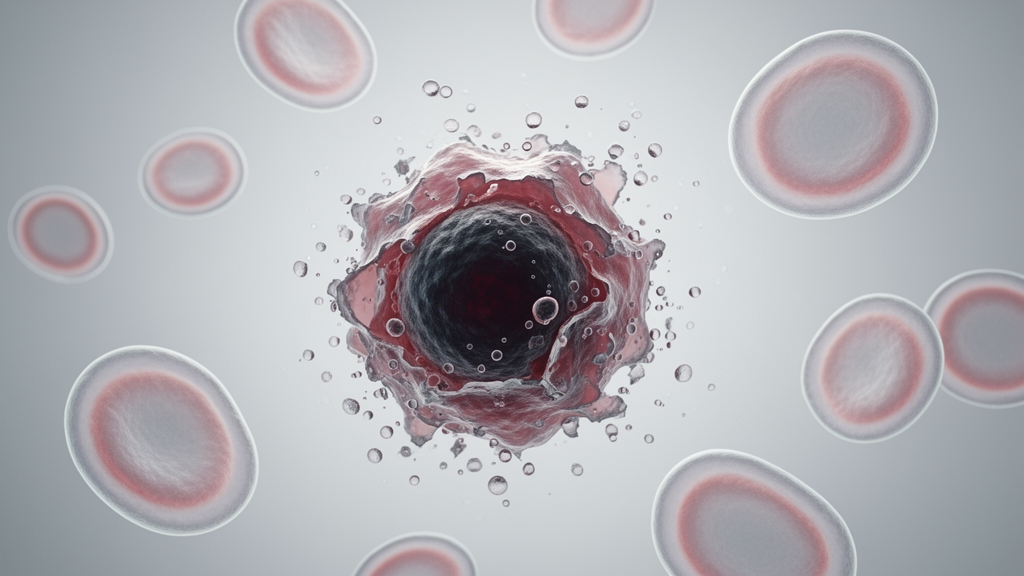
A landmark international phase 3 clinical trial has demonstrated that a next-generation antibody-drug conjugate significantly reduces the risk of cancer recurrence and death in women with advanced or recurrent endometrial cancer. The study, known as TroFuse-005/ENGOT-en23/GOG-3095, compared the efficacy of sacituzumab tirumotecan, abbreviated as sac-TMT, against standard chemotherapy in patients who had previously received immunotherapy. The results, presented at the annual meeting of the European Society for Medical Oncology and simultaneously published in The Lancet, mark a pivotal shift in the treatment landscape for a disease that has seen rising mortality rates in recent years.
This research offers a new standard of care for a population that previously lacked effective options to prevent the return of the disease after initial treatment. Endometrial cancer, which affects the inner lining of the uterus, is the most common malignancy of the female reproductive system. Despite its prevalence, the disease has become increasingly deadly, particularly when diagnosed at a late stage or when aggressive subtypes are present.
Researchers note that until the completion of this trial, no standard therapies existed specifically designed to prevent or stall the recurrence of endometrial cancer following the initial administration of chemotherapy and immunotherapy. Sacituzumab tirumotecan operates through a targeted mechanism that distinguishes it from traditional chemotherapy agents. The drug is designed to attach to a specific protein called trophoblast cell-surface antigen 2, or Trop-2, which is found in abundance on the surface of endometrial cancer cells.
Once bound to this target, the drug delivers a concentrated dose of a chemical payload directly into the tumor cells, leading to their death. The trial enrolled women who had already been successfully treated with pembrolizumab, an established PD-1 inhibitor that enhances the immune system's ability to detect and attack cancer cells. Participants were randomly assigned to receive either sac-TMT or standard chemotherapy drugs after their immunotherapy.
The study included 386 women in the sac-TMT group and 390 women in the chemotherapy group. The primary endpoint of the trial was the risk of disease progression, defined as the cancer growing in size or spreading to other parts of the body. The results showed that women treated with sac-TMT had a 41 percent lower risk of their endometrial cancer progressing compared to those who received standard chemotherapy alone.
In addition to reducing the risk of progression, the study found that the overall risk of death was 32 percent lower in the sac-TMT group than in the standard chemotherapy-treated group. Furthermore, more than twice as many women treated with sac-TMT showed a clinical response, such as tumor shrinkage, compared to those treated with standard chemotherapy. Specifically, 35.1 percent of the sac-TMT group exhibited a response, whereas only 17.3 percent of the chemotherapy group did.
The safety profile of sac-TMT was also evaluated during the trial, with the most frequent side effects including low blood counts, such as anemia and neutropenia, inflammation in the mouth known as oral mucositis or stomatitis, and dry or itchy eyes. According to the researchers, these side effects were manageable and did not preclude the use of the drug in the majority of patients. The trial monitored patients for at least a year after enrollment, providing a robust dataset on both the efficacy and safety of the drug.
Three patients in each treatment group died during the follow-up period, a low number that reflects the overall stability of the study population. The study was conducted on a global scale, with patients enrolled at more than 200 cancer centers across 29 countries in Europe, Asia, and North America. Dr. Bhavana Pothuri, the principal investigator of the study and a gynecologic oncologist at NYU Grossman School of Medicine, emphasized the practice-changing nature of the results.
She stated that the positive outcomes from the first phase 3 trial using sacituzumab tirumotecan after immunotherapy establish the drug as a new standard treatment for recurrent endometrial cancer. Dr. Pothuri noted that clinical guidelines for endometrial cancer will need to be reassessed to incorporate this new therapy. She highlighted the importance of effective therapies like sac-TMT in addressing the increasing incidence and mortality of the disease, particularly in cases where the cancer has spread outside the uterus.
The success of the trial offers promise that sac-TMT could also serve as a therapy for other cancers in which Trop-2 is overexpressed, such as tumors of the lungs, breasts, ovaries, and intestines. Dr. Michelle Lightfoot, a co-investigator in the study, pointed out that the rising death rates from endometrial cancer can be traced to highly aggressive subtypes, which are more commonly seen in Black patients who also face twice the risk of dying from the disease. She noted that death rates from uterine cancers in the United States have risen to more than 14,000 annually, with an estimated 68,000 newly diagnosed cases in 2026.
According to the National Institutes of Health, more than 3 percent of American women will be diagnosed with uterine cancer during their lifetime, with 890,295 living with the disease in 2023. The study's findings offer much-needed hope to women worldwide living with endometrial cancer, which is increasing in both incidence and mortality.
Subject of Research: Efficacy of sacituzumab tirumotecan in treating recurrent endometrial cancer
Article Title: Next-gen drug significantly prevents return of and death from endometrial cancer
Article References: Next-gen drug significantly prevents return of and death from endometrial cancer. Original publication (Bibliographic details unavailable.)
Image Credits: AI Generated
DOI: Not provided
Keywords: endometrial cancer, sacituzumab tirumotecan, oncology, clinical trial, tumor recurrence, immunotherapy, gynecologic cancer, drug development, Next-gen, drug, significantly, prevents
Cite Scienmag News
Nathaniel Bowman. (October 26, 2026). Phase 3 Trial: New Drug Cuts Endometrial Cancer Death Risk. Scienmag. https://scienmag.com/phase-3-trial-new-drug-cuts-endometrial-cancer-death-risk/
Nathaniel Bowman. "Phase 3 Trial: New Drug Cuts Endometrial Cancer Death Risk." Scienmag, 26 October 2026, https://scienmag.com/phase-3-trial-new-drug-cuts-endometrial-cancer-death-risk/. Accessed 26 October 2026.
Nathaniel Bowman. "Phase 3 Trial: New Drug Cuts Endometrial Cancer Death Risk." Scienmag. October 26, 2026. https://scienmag.com/phase-3-trial-new-drug-cuts-endometrial-cancer-death-risk/


