


SMARCAL1 condensates drive radioresistance and immunosuppression in tumours
A new study shows that SMARCAL1 forms nuclear condensates that reprogram chromatin and methionine metabolism, weakening radiotherapy and immunotherapy responses.
A new study shows that SMARCAL1 forms nuclear condensates that reprogram chromatin and methionine metabolism, weakening radiotherapy and immunotherapy responses.

A new integrative analysis links TAM receptor and STAT–SOCS signaling to immune infiltration patterns in thymic epithelial tumors.

A multicenter study found that FH-deficient kidney cancer patients with DNA damage repair gene mutations showed significantly higher response rates ...

Researchers report that a splice-modulating oligomer that reduces the long prolactin receptor isoform lowered pathogenic immune signatures in lupus patients' ...

A new review details how tumor cells import, export and steal mitochondria through nanotubes and vesicles to fuel growth, exhaust ...
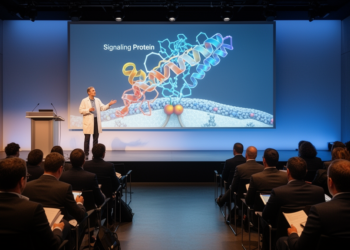
Researchers meeting in Nanchang reported new mechanisms of TGF-β signaling in stem cell differentiation, cancer, fibrosis and immunity, alongside inhibitors ...
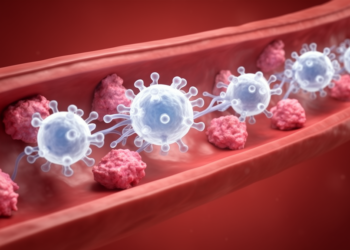
A new review in Breast Cancer Research outlines a framework for engineering CAR-NK cells to intercept circulating tumor cells, target ...

A case report describes a 60-year-old woman with thymoma-associated stiff-person syndrome who walked independently again two years after extended thymectomy ...

Blocking the CD276 molecule slowed gastric cancer growth and, combined with anti-PD-1 therapy, produced the strongest tumor suppression and increased ...
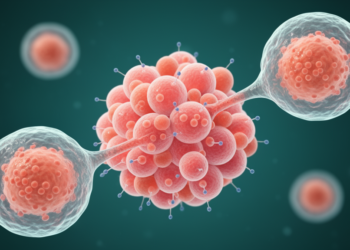
Preclinical research shows that natural killer cells engineered with a CD73-targeting receptor kill relapsed or refractory lung adenocarcinoma cells in ...


Embark on a thrilling journey of discovery with Scienmag.com—your ultimate source for cutting-edge breakthroughs. Immerse yourself in a world where curiosity knows no limits and tomorrow’s possibilities become today’s reality!