

Tuesday, October 20, 2026
Science
No Result
View All Result
  • Login
  • HOME
  • SCIENCE NEWS
  • CONTACT US
  • HOME
  • SCIENCE NEWS
  • CONTACT US
No Result
View All Result
Scienmag
No Result
View All Result
Home Science News Biology

LPA₃ signaling and biological functions: from physiological regulation to disease-targeted therapy

October 20, 2026
in Biology
Drew Townsend
By Drew Townsend Scienmag Editorial Profile - Cell Biology
Reading Time: 2 mins read
0
The Lipid Receptor LPA₃ Emerges as a Switchboard for Cancer, Metabolism and Neuroinflammation

The Lipid Receptor LPA₃ Emerges as a Switchboard for Cancer, Metabolism and Neuroinflammation

65
SHARES
587
VIEWS
Share on FacebookShare on Twitter
ADVERTISEMENT

A 2026 review in Molecular Biology Reports concludes from its abstract that lysophosphatidic acid receptor 3 (LPA₃), a G protein–coupled receptor, participates in physiological regulation and pathological processes through several signaling pathways. The abstract reports that activating LPA₃ engages Gαq/11, Gαi/o and Gα12/13 cascades, with effects on cellular proliferation, survival, migration, inflammatory responses and metabolic balance. These are findings summarized by the review rather than results newly established through a clinical study.

The review abstract describes LPA₃ as broadly expressed in adipose tissue, the reproductive system and the nervous system, where it has tissue-specific functions. It associates aberrant LPA₃ signaling with tumorigenesis and metastasis, obesity and insulin resistance, neuroinflammation and liver diseases. The evidence supplied here is limited to the article metadata and abstract, so the strength, direction and context of these associations cannot be independently assessed from the available material.

Mechanistically, the abstract attributes tumor-cell proliferation to LPA₃ signaling through PI3K/Akt and MAPK/ERK pathways. It also reports that LPA₃ participates in glucose and lipid metabolism through cAMP/PKA and AMPK axes and in immune and inflammatory responses through NF-κB and the NLRP3 inflammasome. Because the full review is behind a subscription preview, the underlying studies, experimental models, effect sizes and limitations cannot be evaluated from the supplied evidence.

The review presents LPA₃ as a potential therapeutic target and biomarker. It proposes that selective antagonists, biased ligands and tissue-targeted delivery systems may eventually support precision interventions for cancers, metabolic disorders and neurological diseases. These remain translational possibilities identified in the abstract, not demonstrated treatments: no clinical efficacy, safety or patient outcomes are reported in the accessible material. Overall, the article offers a framework for understanding LPA₃ signaling across physiological and disease-related contexts, while the available abstract does not establish that any proposed strategy is ready for clinical use.

Subject of Research: Review of LPA₃ signaling pathways, physiological functions and potential therapeutic applications across cancers, metabolic disorders and neurological diseases.

Article Title: LPA₃ signaling and biological functions: from physiological regulation to disease-targeted therapy

Article References: Li, X., Wang, R., Yang, D., Ye, Q., & Zhong, Z. (2026). LPA₃ signaling and biological functions: from physiological regulation to disease-targeted therapy. Molecular Biology Reports, 53(1), Article 1573. https://doi.org/10.1007/s11033-026-12583-3

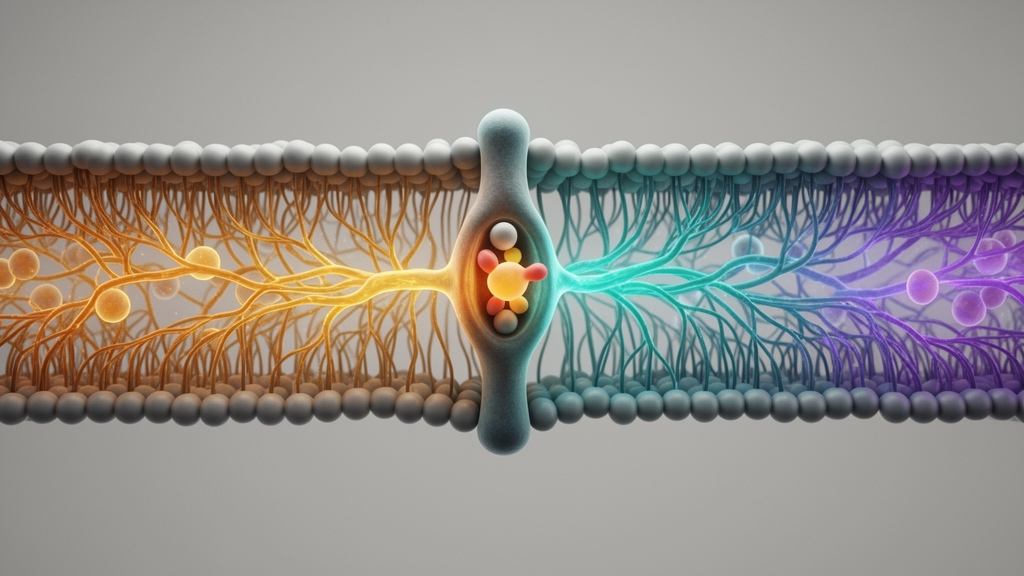
Image Credits: AI Generated

DOI: 10.1007/s11033-026-12583-3

Keywords: LPA₃ receptor, G protein–coupled receptor, cell signaling, cancer biology, metabolic regulation, inflammation, therapeutic targets, precision medicine, review, signaling, biological, functions

Cite Scienmag News

Drew Townsend. (October 20, 2026). LPA₃ signaling and biological functions: from physiological regulation to disease-targeted therapy. Scienmag. https://scienmag.com/lpa%e2%82%83-signaling-and-biological-functions-from-physiological-regulation-to-disease-targeted-therapy/


Drew Townsend. "LPA₃ signaling and biological functions: from physiological regulation to disease-targeted therapy." Scienmag, 20 October 2026, https://scienmag.com/lpa%e2%82%83-signaling-and-biological-functions-from-physiological-regulation-to-disease-targeted-therapy/. Accessed 20 October 2026.

Drew Townsend. "LPA₃ signaling and biological functions: from physiological regulation to disease-targeted therapy." Scienmag. October 20, 2026. https://scienmag.com/lpa%e2%82%83-signaling-and-biological-functions-from-physiological-regulation-to-disease-targeted-therapy/

Tags: Biologicalcancer biologycell signalingfunctionsG protein-coupled receptorinflammationLPA₃ involvement in cancer metastasis and tumorigenesisLPA3 receptorLPA₃ receptor signaling pathways in physiological regulationLPA₃ regulation of metabolic processes and insulin resistanceLPA₃'s influence on neuroinflammation and nervous system functionsmetabolic regulationPrecision medicinereviewrole of G protein–coupled receptors in cell proliferation and survivalsignalingsignaling mechanisms of PI3K/Akt and MAPK/ERK pathways in LPAtherapeutic targetstissue-specific functions of LPA₃ in adipose tissue and reproductive system
Share26Tweet16
Previous Post

Patch-wise 3D U-Net segments six-month-old infant brain MRI in benchmark study

Next Post

Single-center retrospective study finds volume-linked PPV changes after pediatric craniosynostosis repair boluses

Related Posts

CRISPR-Cas Tools Take Aim at Drug-Resistant Pseudomonas aeruginosa
Biology

The application of the CRISPR-Cas system in Pseudomonas aeruginosa infections

October 20, 2026
New bristly ark shell species emerges from Kuwait’s mud after decades of taxonomic confusion
Biology

Morphology, anatomy and COI data identify distinct Anadara species in Kuwait

October 20, 2026
Snail Water Channel Reveals Unusual Architecture That Helps It Survive Temperature Stress
Biology

Freshwater snail aquaporin 4 shows water-selective transport and temperature-dependent expression

October 20, 2026
AFAR funds eight junior faculty projects on mechanisms of aging
Biology

AFAR funds eight junior faculty projects on mechanisms of aging

October 20, 2026
Metals Out of Balance: Trace Element Depletion Emerges as Hidden Driver of Spinal Cord Injury Damage
Biology

Case-control study finds altered metal levels, oxidative stress and inflammation in spinal cord injury

October 20, 2026
Sulfur-Rich Small Molecules Show Powerful Defense Against Sun-Damaging UVB Light
Biology

UVB photoprotection by thiourea and (thio)semicarbazone derivatives: cellular and molecular evidence

October 20, 2026
Next Post
Pulse Pressure Variation Shows Dose-Dependent Response to Blood Transfusion in Infant Craniosynostosis Surgery

Single-center retrospective study finds volume-linked PPV changes after pediatric craniosynostosis repair boluses

  • Mothers who receive childcare support from maternal grandparents show more optimized

    Mothers who receive childcare support from maternal grandparents show more parental warmth, finds NTU Singapore study

    27656 shares
    Share 11059 Tweet 6912
  • University of Seville Breaks 120-Year-Old Mystery, Revises a Key Einstein Concept

    1061 shares
    Share 424 Tweet 265
  • Bee body mass, pathogens and local climate influence heat tolerance

    682 shares
    Share 273 Tweet 171
  • Researchers record first-ever images and data of a shark experiencing a boat strike

    546 shares
    Share 218 Tweet 137
  • Groundbreaking Clinical Trial Reveals Lubiprostone Enhances Kidney Function

    531 shares
    Share 212 Tweet 133
Science

Embark on a thrilling journey of discovery with Scienmag.com—your ultimate source for cutting-edge breakthroughs. Immerse yourself in a world where curiosity knows no limits and tomorrow’s possibilities become today’s reality!

RECENT NEWS

  • Comparative chloroplast genomics of Gnaphalieae (Asteraceae)
  • Single-center retrospective study finds volume-linked PPV changes after pediatric craniosynostosis repair boluses
  • LPA₃ signaling and biological functions: from physiological regulation to disease-targeted therapy
  • Patch-wise 3D U-Net segments six-month-old infant brain MRI in benchmark study

Categories

  • Agriculture
  • Anthropology
  • Archaeology
  • Athmospheric
  • Biology
  • Biotechnology
  • Blog
  • Bussines
  • Cancer
  • Chemistry
  • Climate
  • Earth Science
  • Editorial Policy
  • Marine
  • Mathematics
  • Medicine
  • Pediatry
  • Policy
  • Psychology & Psychiatry
  • Science Education
  • Science News
  • Social Science
  • Space
  • Technology and Engineering

Subscribe to Blog via Email

Enter your email address to subscribe to this blog and receive notifications of new posts by email.

Join 5,150 other subscribers

© 2025 Scienmag - Science Magazine

Welcome Back!

Login to your account below

Forgotten Password?

Retrieve your password

Please enter your username or email address to reset your password.

Log In
No Result
View All Result
  • HOME
  • SCIENCE NEWS
  • CONTACT US

© 2025 Scienmag - Science Magazine

Discover more from Science

Subscribe now to keep reading and get access to the full archive.

Continue reading