A sweeping new review published in Reproductive Sciences argues that one of the most explosive discoveries in modern cell biology—pyroptosis, a fiery form of inflammatory programmed cell death—may lie at the heart of female infertility and ovarian dysfunction. The review, led by Amir Ajoolabady of the National Clinical Research Center for Interventional Medicine in Shanghai together with Bonglee Kim of Kyung Hee University, and including co-authors such as Jaakko Tuomilehto, Domenico Pratico, Jun Ren, and Abdel Halim Harrath, synthesizes recent discoveries on how this caspase-dependent death pathway contributes to ovarian pathology, and it surveys an emerging arsenal of therapeutic compounds capable of damping the process down. The work arrives at a moment when clinicians and researchers are increasingly recognizing that infertility is not merely a mechanical or hormonal problem, but a disease steeped in inflammation.
Pyroptosis is no ordinary cell death. Unlike apoptosis, the quiet, tidy form of programmed cell death in which cells shrink and are neatly consumed by their neighbors, pyroptosis is loud, lytic, and inflammatory. The pathway is evolutionarily conserved among eukaryotic cells and is executed by caspases—a family of proteolytic enzymes—ultimately leading to the formation of pores in the cell’s plasma membrane by members of the gasdermin protein family. When gasdermin D, the best-characterized executioner, is cleaved by inflammatory caspases such as caspase-1 or caspase-11 in mice (and caspase-4 and caspase-5 in humans), its pore-forming fragments insert into the membrane. Water rushes in, the cell swells, and it eventually ruptures, spilling its contents into the surrounding tissue.
That spill is precisely what makes pyroptosis so consequential. Among the released contents are interleukin-1β and interleukin-18, potent pro-inflammatory cytokines that are processed and activated by caspase-1 within large multiprotein signaling platforms called inflammasomes. The prototypical NLRP3 inflammasome assembles from the sensor protein NLRP3, the adaptor ASC, and caspase-1, forming supramolecular complexes sometimes described as pyroptosomes. Other inflammasomes, including NLRC4, AIM2, and NLRP1, respond to different danger signals ranging from bacterial flagellin to cytosolic DNA. In the right context—say, an intracellular bacterial infection—this explosive death is a defensive triumph, denying pathogens their replicative niche and rallying immune cells to the site. But when pyroptosis fires in the wrong place or cannot be switched off, it becomes a source of collateral tissue damage, a theme now documented in conditions from sepsis to atherosclerosis to neurodegeneration.
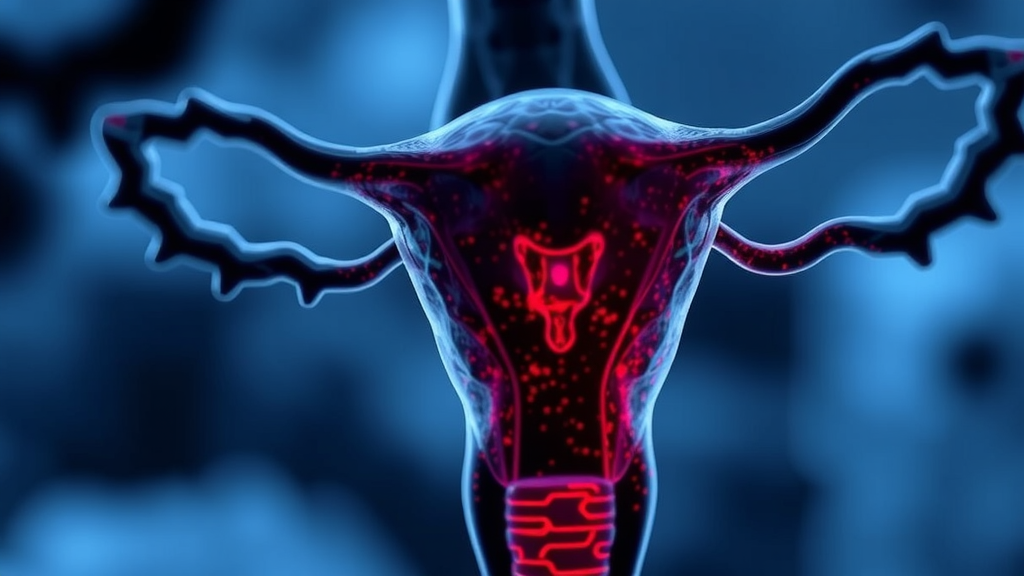
The ovary, the review argues, is exquisitely vulnerable to this kind of inflammatory friendly fire. Female infertility and ovarian dysfunction are closely associated with inflammation, and the ovarian follicle’s functional unit depends on granulosa cells—somatic cells that nurture the developing oocyte, mediate hormone production, and orchestrate ovulation. When granulosa cells undergo pyroptosis, the follicle loses its support system. Evidence cited in the review points to activation of the NLRP3/caspase-1/gasdermin D axis in granulosa cells across several major ovarian pathologies, including polycystic ovary syndrome (PCOS), premature ovarian insufficiency (POI), and diminished ovarian reserve. In PCOS, upregulation of TXNIP, a protein that links oxidative stress to inflammasome activation, contributes to granulosa cell dysfunction through NLRP3 activation. Hyperandrogenism, a hallmark of PCOS, has itself been shown to drive ovarian inflammation and pyroptosis, with the mechanistic target of rapamycin-linked YAP signaling implicated in follicular dysfunction.
The molecular wiring connecting metabolic stress to pyroptotic death in the ovary is becoming increasingly detailed. Oxidative stress is a central node: reactive oxygen species can trigger NLRP3 inflammasome assembly, and oxidized mitochondrial DNA released from damaged mitochondria serves as a potent inflammasome activator. The TXNIP protein acts as a molecular switch, dissociating from thioredoxin under oxidative stress and binding NLRP3 to ignite the inflammasome. Endoplasmic reticulum stress adds another layer, with the IRE1α pathway inducing TXNIP expression under irremediable stress conditions. In overweight women, local glucose elevation in the ovarian environment has been shown to activate NLRP3-dependent pyroptosis in granulosa cells, tying metabolic disease directly to reproductive cell death. Even the gut microbiome appears to play a role: microbiota dysbiosis-derived macrophage pyroptosis has been linked to PCOS through disturbance of steroidogenesis and apoptosis of granulosa cells.
The clinical stakes are considerable. Premature ovarian insufficiency—the loss of ovarian function before age forty—affects roughly one percent of women and carries profound consequences for fertility, bone health, and cardiovascular risk. Diminished ovarian reserve, a subtler depletion of the follicular pool, is among the most frustrating diagnoses in reproductive medicine, and inflammatory and oxidative stress markers measured in follicular fluid correlate with its severity. Inflamm-aging, the chronic low-grade inflammatory state that accompanies advancing age, has been proposed as a mechanism accelerating POI. The review also notes that inflammasome components are elevated in granulosa cells and follicular fluid of women with endometriosis undergoing in vitro fertilization, and that a proinflammatory M1 macrophage phenotype with NLRC4 inflammasome activation is associated with impaired oocyte fertilization. More recently, IFN-γ-induced AIM2-dependent PANoptosis—a hybrid inflammatory death program—has been implicated in ovulatory dysfunction in PCOS, underscoring that pyroptosis is one node in a broader, interconnected network of inflammatory cell death pathways that also includes necroptosis and ferroptosis.
What elevates the review beyond mechanism is its survey of therapeutics. Because each step of the pyroptotic cascade is pharmacologically addressable, a growing list of compounds has shown promise in preclinical models of ovarian disease. Nicotinamide mononucleotide (NMN), a precursor of the NAD+ cofactor, improved ovarian reserve in models of POI by inhibiting NLRP3-mediated pyroptosis of ovarian granulosa cells, consistent with a broader literature linking NAD+ metabolism to inflammasome regulation through acetylation switches. The natural compound plumbagin rescued granulosa cell pyroptosis in PCOS by reducing WTAP-mediated N6-methylation, pointing to an epitranscriptomic layer of control. Quercetin, a widely available flavonoid, alleviated cyclophosphamide-induced premature ovarian insufficiency in mice by reducing mitochondrial oxidative stress and pyroptosis in granulosa cells. Cyproterone acetate, an antiandrogen, mediated the IRE1α signaling pathway to alleviate hyperandrogen-induced granulosa cell pyroptosis. The metabolite α-ketoglutarate improved ovarian reserve function in primary ovarian insufficiency by inhibiting NLRP3-mediated pyroptosis, while itaconic acid—classically an anti-inflammatory immunometabolite—prevented ovarian damage in diminished ovarian reserve models through NRF2-mediated pathways. Resveratrol alleviated inflammation in PCOS by inhibiting AIM2 expression, and metformin inhibited granulosa cell pyroptosis through a microRNA/NOX2/ROS pathway, suggesting that established metabolic drugs may carry unexpected reproductive benefits.
Perhaps the most futuristic entry in the therapeutic lineup comes from regenerative medicine. Exosomes—nanoscale extracellular vesicles that shuttle proteins, lipids, and nucleic acids between cells—derived from mesenchymal stem cells have been shown to attenuate NLRP3-related pyroptosis in autoimmune premature ovarian insufficiency via the NF-κB pathway. Stem cell approaches more broadly, including adipose-derived stem cells that repair chemotherapy-induced ovarian failure by inhibiting granulosa cell apoptosis and senescence, are being reinterpreted through the pyroptosis lens. Even moxibustion, the traditional practice of burning mugwort near acupuncture points, has been reported to protect against cyclophosphamide-induced premature ovarian failure in rats by inhibiting the NLRP3/caspase-1/GSDMD-dependent pyroptotic axis—an intriguing convergence of ancient practice and molecular mechanism, though the authors of the underlying work acknowledge that clinical translation remains distant and that rigorous trials are needed.
The review is candid about the gaps that remain. Most of the therapeutic evidence comes from rodent models and cultured granulosa cell lines, which imperfectly recapitulate human follicular biology; human granulosa cell lines differ meaningfully from primary cells in their endocrine profiles. Biomarkers of pyroptosis that could be measured in follicular fluid or blood to stratify patients are still lacking, and the crosstalk between pyroptosis and the other regulated death pathways—apoptosis, necroptosis, ferroptosis, and PANoptosis—in the ovary is only beginning to be mapped. Distinguishing protective from pathological pyroptosis will be essential, since complete blockade of an innate immune defense pathway carries its own risks, a lesson learned from inflammasome drug development in other inflammatory diseases. The authors call for systematic investigation of gasdermin-independent pyroptotic routes, better tools for monitoring pyroptosis dynamics in living tissue, and ultimately clinical trials that test whether pyroptosis-targeted interventions can genuinely improve fertility outcomes.
Still, the conceptual shift is hard to overstate. For decades, infertility treatment has focused on manipulating hormones and retrieving oocytes, with inflammation treated as background noise. If pyroptosis proves to be a central, druggable driver of follicular demise, then a prescription pad that once held only gonadotropins and metformin might one day include NLRP3 inhibitors, gasdermin blockers, NAD+ boosters, and engineered exosomes designed to quiet the inflammatory storm inside the ovary. The review by Ajoolabady and colleagues does not claim that a cure is at hand, but it makes a compelling case that the molecular arsonist behind ovarian failure has finally been identified—and that the tools to extinguish it are already within reach.
Subject of Research: The role of pyroptosis, an inflammatory form of programmed cell death, in ovarian dysfunction and female infertility
Article Title: Pyroptosis in Patients with Ovarian Dysfunction and Infertility: Molecular Mechanisms and Therapeutics
Article References: Pyroptosis in Patients with Ovarian Dysfunction and Infertility: Molecular Mechanisms and Therapeutics. (n.d.). https://doi.org/10.1007/s43032-026-02208-2
Image Credits: AI Generated
DOI: 10.1007/s43032-026-02208-2
Keywords: pyroptosis, ovarian dysfunction, infertility, NLRP3 inflammasome, gasdermin D, granulosa cells, polycystic ovary syndrome, premature ovarian insufficiency, inflammation, caspase-1, nicotinamide mononucleotide, exosomes
Cite Scienmag News
Ophelia Keating. (September 24, 2026). Inflammatory Cell Death Emerges as a Driver of Ovarian Dysfunction and Infertility. Scienmag. https://scienmag.com/inflammatory-cell-death-emerges-as-a-driver-of-ovarian-dysfunction-and-infertility/
Ophelia Keating. "Inflammatory Cell Death Emerges as a Driver of Ovarian Dysfunction and Infertility." Scienmag, 24 September 2026, https://scienmag.com/inflammatory-cell-death-emerges-as-a-driver-of-ovarian-dysfunction-and-infertility/. Accessed 25 September 2026.
Ophelia Keating. "Inflammatory Cell Death Emerges as a Driver of Ovarian Dysfunction and Infertility." Scienmag. September 24, 2026. https://scienmag.com/inflammatory-cell-death-emerges-as-a-driver-of-ovarian-dysfunction-and-infertility/