


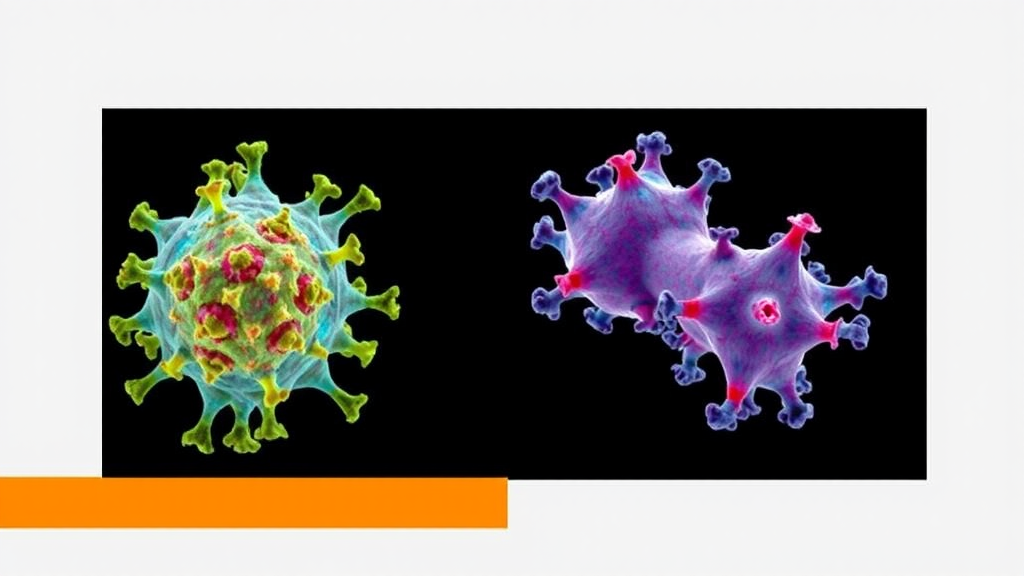
Clinical oncology is entering one of the most consequential periods in its history, and a recent editorial published in the open-access journal Clinical Cancer Bulletin by Jia Fan of Fudan University’s Zhongshan Hospital offers a concise map of where the field is heading. Writing at the start of 2026, Fan highlights a set of converging technologies — cell therapies, cancer organoids, multi-specific antibody-drug conjugates, nanotechnology, multi-omics profiling, and artificial intelligence — that together promise to make cancer care more precise, more personalized, and more multidisciplinary than ever before. While the editorial was written from the perspective of a rapidly growing journal that saw its annual manuscript submissions double in 2025, the scientific priorities it identifies reflect genuine currents reshaping cancer research and treatment worldwide.
The most mature of these currents is adoptive cell therapy, particularly chimeric antigen receptor T cell therapy, known as CAR-T. The technique involves harvesting a patient’s own T lymphocytes, genetically engineering them to express an artificial receptor that recognizes a specific tumor antigen, expanding the modified cells in culture, and reinfusing them into the patient. The chimeric antigen receptor combines an antibody-derived binding domain that locks onto the target antigen with intracellular signaling domains that activate the T cell upon binding. Since the first CAR-T products were approved for certain B cell leukemias and lymphomas, the field has expanded toward solid tumors, where it faces formidable obstacles: the physical barriers of tumor stroma, an immunosuppressive tumor microenvironment rich in molecules such as TGF-beta and adenosine, antigen heterogeneity that allows tumor cells lacking the target antigen to escape, and the risk of severe cytokine release syndrome, a systemic inflammatory reaction caused by massive immune activation. Combination approaches — pairing CAR-T cells with checkpoint inhibitors, oncolytic viruses, or stroma-modulating agents — are among the strategies under active investigation to overcome these barriers.
A closely related but technically distinct platform is TCR-T cell therapy, which the editorial singles out as an area of anticipated growth. Rather than using an artificial antibody-like receptor, TCR-T therapy engineers T cells to express a natural T cell receptor that recognizes peptide fragments of intracellular proteins presented on the cell surface by human leukocyte antigen molecules. This is a crucial advantage: most cancer-specific antigens are not displayed on the cell membrane where antibodies can reach them, but are instead processed inside the cell and presented on HLA molecules. TCR-T cells can therefore target the vast intracellular reservoir of mutated and aberrantly expressed proteins, including drivers of pancreatic, ovarian, and colorectal cancers that have remained largely untouchable by antibody-based approaches. The technical challenges include identifying HLA-restricted neoantigens that are truly tumor-specific, ensuring sufficient receptor affinity without cross-reactivity against healthy tissue, and overcoming the downregulation of HLA presentation that tumors use as an immune evasion mechanism.
Cancer vaccines, another pillar highlighted in the editorial’s recent special issue on cancer cytotherapy, are being transformed by genomic sequencing. Personalized neoantigen vaccines are designed from the unique mutation profile of an individual patient’s tumor. Computational algorithms predict which mutant peptides will bind the patient’s HLA molecules and be recognized as foreign by the immune system, and these epitopes are synthesized as mRNA or peptide-based vaccines. Combined with checkpoint blockade, which releases the brakes on T cell responses, such vaccines have shown promise in early trials for melanoma and pancreatic cancer, aiming to amplify a targeted immune attack against the molecular fingerprints unique to each malignancy.
Antibody-drug conjugates, often described as guided-missile therapeutics, represent another frontier that is becoming steadily more sophisticated. An ADC links a monoclonal antibody that targets a tumor-associated antigen to a highly potent cytotoxic payload via a chemical linker designed to remain stable in the bloodstream and release the drug after the conjugate is internalized by the cancer cell. The new generation of multi-specific ADCs discussed in the editorial goes further, engaging two or more distinct antigens simultaneously. This bispecific recognition addresses one of the biggest causes of treatment failure: tumors that downregulate a single target antigen can no longer escape simply by losing one molecular flag. Beyond ADCs, bispecific and trispecific antibodies are also being engineered to physically bridge T cells to tumor cells or to block multiple signaling pathways at once, blurring the line between antibody therapy and cellular immunotherapy.
Underpinning all of these advances is a quiet revolution in how cancer models are built and tested. Cancer organoids — three-dimensional cultures grown from patient tumor cells that self-organize into structures recapitulating the architecture and genetics of the original malignancy — are emerging as a bridge between traditional two-dimensional cell lines, which often fail to reflect tumor biology, and patient-derived xenografts in mice, which take months to establish. Because organoids can be generated within weeks and maintained in large panels, they allow drug sensitivity testing on a scale and speed previously impossible. In principle, a patient’s own tumor organoids can serve as an avatar, screening candidate regimens in the laboratory before the patient receives them in the clinic. Organoid co-cultures with immune cells and stromal components are extending this approach to predict responses to immunotherapy, one of the hardest response categories to model outside the human body.
The editorial also emphasizes the integration of nanotechnology with cancer diagnosis and management. Engineered nanoparticles, typically in the range of ten to a few hundred nanometers, can be decorated with targeting ligands, loaded with chemotherapeutics or nucleic acid payloads, and designed to accumulate preferentially in tumors through both passive mechanisms such as the enhanced permeability of tumor vasculature and active mechanisms such as antibody fragment targeting. Beyond drug delivery, nanoparticles serve as contrast and sensing platforms for imaging, as vehicles for delivering mRNA vaccines and gene-editing tools, and as systems that modulate the tumor microenvironment itself. The persistent translational challenge — often called the gap between bench and bedside — lies in controlling how nanoparticles behave once they encounter blood proteins, immune cells, and the dense extracellular matrix of human tumors, an area where careful pharmacokinetic and safety evaluation remains essential.
Perhaps the most transformative enabler of the coming decade is the fusion of multi-omics data with artificial intelligence. Genomics, transcriptomics, proteomics, metabolomics, and epigenomic profiling each capture a different molecular dimension of a tumor, and integrated analysis of these layers reveals dependencies and vulnerabilities invisible to any single data type. Machine learning models are increasingly used to predict biomarker status directly from routine histopathology slides, to forecast which patients will respond to immunotherapy, to detect radiographic patterns in CT and MRI scans that correlate with molecular features — a field known as radiomics — and to design optimal combination treatment sequences. Fan identifies AI-driven innovation as a priority topic for the coming years, alongside biomarker discovery and validation, real-world evidence studies, and the study of therapeutic resistance and its optimization, all areas where large, well-curated clinical datasets are the essential raw material.
None of these technologies will succeed in isolation, and this is precisely the point the editorial underscores with its call for multidisciplinary integration. A patient receiving CAR-T therapy may also need an ADC for bridging cytoreduction before cell infusion, an organoid-derived drug screen to select a second-line regimen after relapse, genomic surveillance to track emerging resistance mutations, and AI-assisted imaging to monitor response. Precision oncology in this sense is less a single breakthrough than an operating system: a framework in which molecular profiling, laboratory avatars, engineered therapeutics, and computational decision support are woven into a continuous loop of diagnosis, treatment, measurement, and adaptation. Fan writes that the journal’s mission going forward is to serve as an international platform for exactly this kind of cross-disciplinary exchange, covering cancer prevention, drug development, innovative therapies, and the optimization of clinical standards and protocols.
The editorial closes with the aspiration that these collective efforts will ultimately contribute to alleviating the global burden of cancer, and the early signals are encouraging. Journal submissions doubling in a single year reflects a field producing results at remarkable speed, and the concrete scientific agenda it lays out — TCR-T cells reaching intracellular targets, multi-specific ADCs defeating antigen escape, organoids personalizing drug selection, nanotechnology delivering payloads with precision, and AI knitting the data together — describes a coherent pathway from laboratory insight to clinical benefit. The breakthroughs are no longer hypothetical; they are in trials, in journals, and increasingly, in clinics. What remains is the hard, unglamorous work of validation, standardization, and equitable access that turns promising biology into dependable medicine for every patient who needs it.
Subject of Research: Emerging technologies in clinical oncology, including cell therapies, antibody-drug conjugates, cancer organoids, nanotechnology, and AI-driven precision medicine
Article Title: The coming breakthroughs in clinical oncology
Article References: Fan, J. (2026). The coming breakthroughs in clinical oncology. Clinical Cancer Bulletin, 5(1), Article 3. https://doi.org/10.1007/s44272-026-00056-4
Image Credits: AI Generated
DOI: 10.1007/s44272-026-00056-4
Keywords: clinical oncology, CAR-T cell therapy, TCR-T cell therapy, cancer vaccines, antibody-drug conjugates, cancer organoids, cancer nanotechnology, multi-omics, artificial intelligence, biomarkers, immunotherapy, precision medicine
Cite Scienmag News
Nathaniel Bowman. (September 23, 2026). From CAR-T Cells to Cancer Organoids: The Technologies Set to Transform Clinical Oncology. Scienmag. https://scienmag.com/from-car-t-cells-to-cancer-organoids-the-technologies-set-to-transform-clinical-oncology/
Nathaniel Bowman. "From CAR-T Cells to Cancer Organoids: The Technologies Set to Transform Clinical Oncology." Scienmag, 23 September 2026, https://scienmag.com/from-car-t-cells-to-cancer-organoids-the-technologies-set-to-transform-clinical-oncology/. Accessed 23 September 2026.
Nathaniel Bowman. "From CAR-T Cells to Cancer Organoids: The Technologies Set to Transform Clinical Oncology." Scienmag. September 23, 2026. https://scienmag.com/from-car-t-cells-to-cancer-organoids-the-technologies-set-to-transform-clinical-oncology/


