


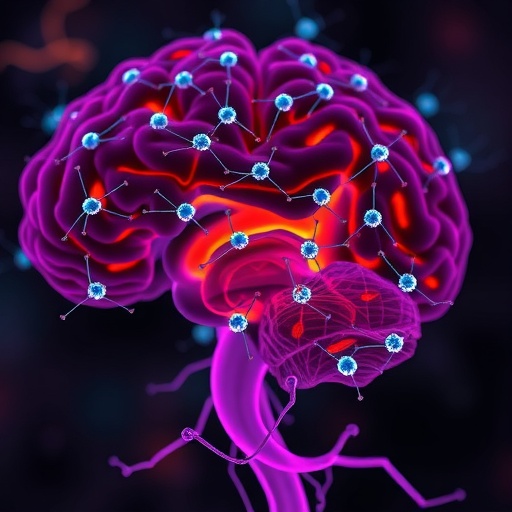
Sleep may be one of the earliest casualties of Alzheimer’s disease, and scientists are increasingly looking beyond neurons to understand why. A new review by B.P. Lucey and M.J. Howell, published in Nature Reviews Neurology, examines how glial cells—the brain’s support, maintenance and immune-regulating cells—could help explain the intimate relationship between disordered sleep and Alzheimer-related neurodegeneration. The article, titled “Losing sleep over glia: new mechanisms for Alzheimer-related sleep disruption,” places astrocytes, microglia and other non-neuronal cells at the center of a rapidly developing research story.
For decades, Alzheimer’s research focused primarily on neurons and the accumulation of amyloid-β plaques and tau tangles. Sleep research, meanwhile, often emphasized the activity of neural circuits that regulate the daily sleep–wake cycle. The emerging picture is more complicated. Glial cells constantly monitor the brain’s chemical environment, regulate synaptic signaling, control inflammation and influence the movement of cerebrospinal fluid. Because these functions change across the 24-hour day, glia may act as a biological bridge connecting sleep, waste clearance and Alzheimer’s pathology.
Astrocytes are particularly important candidates. These star-shaped cells surround synapses and blood vessels, help supply neurons with energy and maintain the balance of ions and neurotransmitters required for normal signaling. They also participate in the brain’s glymphatic system, a fluid-transport network that becomes more active during sleep. By regulating the spaces surrounding blood vessels and controlling water movement through channels such as aquaporin-4, astrocytes may influence how efficiently cerebrospinal fluid enters brain tissue and carries away metabolic waste.
That waste includes amyloid-β, a protein that can accumulate into plaques in Alzheimer’s disease. Research in humans and laboratory models has suggested that amyloid-β concentrations in the brain and cerebrospinal fluid fluctuate with the sleep–wake cycle. During prolonged wakefulness, neuronal activity and energy consumption rise, potentially increasing the production or release of amyloid-β. Deep, non-rapid eye movement sleep appears to support clearance processes, meaning that fragmented or shortened sleep could create conditions in which the protein accumulates more readily.
Astrocytes may also contribute to sleep disruption through changes in their own activity. These cells release signaling molecules known as gliotransmitters and help regulate extracellular adenosine, a chemical that builds up during wakefulness and promotes sleep pressure. If Alzheimer-related pathology alters astrocytic metabolism or adenosine signaling, the brain’s ability to generate stable sleep may be weakened. The result could be a self-reinforcing cycle: disrupted sleep increases biological stress, while glial dysfunction makes restorative sleep increasingly difficult to achieve.
Microglia add another layer to the story. As the brain’s resident immune cells, microglia detect damaged cells, abnormal proteins and changes in their chemical surroundings. They can engulf and degrade unwanted material, including forms of amyloid-β, but chronic exposure to pathology may push them into sustained inflammatory states. Activated microglia release cytokines and other immune signals that can affect synapses, blood vessels and sleep-regulating neural circuits. Inflammation may therefore disturb sleep architecture even before extensive neuronal loss becomes apparent.
The relationship between microglia and sleep is not one-directional. Sleep itself influences microglial shape, movement and gene expression, while sleep deprivation can increase inflammatory signaling. In healthy conditions, microglia follow daily rhythms that coordinate surveillance and repair with the brain’s changing demands. Alzheimer’s pathology may disrupt these rhythms, leaving immune cells less capable of clearing harmful proteins and more likely to produce damaging inflammation. Such changes could help explain why people with Alzheimer’s often experience nighttime confusion, frequent awakenings, excessive daytime sleepiness or an apparent reversal of normal day–night behavior.
The review also highlights the possibility that glial dysfunction affects the brain’s internal clock. Circadian timing is coordinated by molecular feedback loops that regulate thousands of genes, including genes involved in metabolism, inflammation and synaptic function. Glial cells possess their own circadian machinery and communicate with neurons in the suprachiasmatic nucleus, the brain’s principal timekeeping center. If amyloid, tau or inflammatory signals interfere with these cellular clocks, the result could be a loss of rhythmic coordination across the brain. Sleep might then become less consolidated, while pathological processes gain more time to progress.
These mechanisms may help explain why sleep problems are not merely consequences of advanced dementia. Increasing evidence suggests that poor sleep can precede measurable cognitive decline and may contribute to disease risk. However, the relationship remains complex. Sleep disruption can arise from depression, medication effects, breathing disorders, pain, changes in light exposure and other medical conditions. The glial framework does not replace these explanations; instead, it offers a biological model for how diverse disturbances may converge on inflammation, impaired clearance and altered neural timing.
The authors’ perspective arrives as researchers search for interventions that target more than amyloid plaques and tau tangles. Stabilizing sleep could potentially influence several disease-related pathways at once, including glymphatic fluid movement, immune activation, synaptic maintenance and circadian regulation. Future therapies might aim to restore astrocytic water transport, normalize microglial inflammatory responses or strengthen the molecular clocks operating within glia. For now, the evidence supports a striking conclusion: understanding Alzheimer’s may require understanding what the brain’s support cells do while we sleep—and what happens when those cells lose their rhythm.
Cite Scienmag News
Cassandra Pierce. (August 4, 2026). How glial cells may drive sleep disruption in Alzheimer’s disease. Scienmag. https://scienmag.com/how-glial-cells-may-drive-sleep-disruption-in-alzheimers-disease/
Cassandra Pierce. "How glial cells may drive sleep disruption in Alzheimer’s disease." Scienmag, 4 August 2026, https://scienmag.com/how-glial-cells-may-drive-sleep-disruption-in-alzheimers-disease/. Accessed 4 September 2026.
Cassandra Pierce. "How glial cells may drive sleep disruption in Alzheimer’s disease." Scienmag. August 4, 2026. https://scienmag.com/how-glial-cells-may-drive-sleep-disruption-in-alzheimers-disease/


