


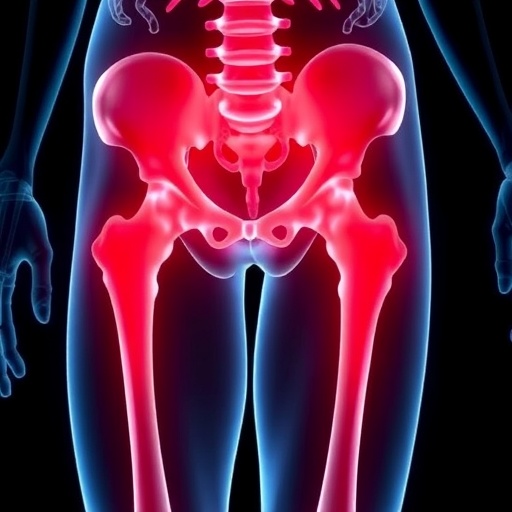
Intraoperative Hypotension May Help Predict Venous Thromboembolism After Hip Surgery in Older Adults
Hip surgery is one of the most common and consequential operations performed in older adults, offering mobility and independence to patients with fractures, arthritis, and other disabling conditions. Yet the procedure also exposes patients to a dangerous postoperative complication: venous thromboembolism, or VTE. This term includes deep-vein thrombosis, in which a clot develops most often in the leg, and pulmonary embolism, in which a clot travels to the lungs. New research is examining whether an event that occurs during the operation itself—intraoperative hypotension—could help identify elderly patients at heightened risk of developing VTE after surgery.
Intraoperative hypotension refers to an abnormal fall in blood pressure while a patient is under anesthesia. It may be defined using an absolute threshold, such as a mean arterial pressure below a specific value, or by considering how far blood pressure drops from the patient’s normal baseline. Mean arterial pressure is particularly important because it reflects the pressure driving blood through vital organs. During hip surgery, blood pressure can fall because of anesthesia-induced widening of blood vessels, blood loss, reduced cardiac output, dehydration, or the physiological stress associated with trauma and inflammation.
The possible connection between low blood pressure during surgery and postoperative thrombosis is biologically complex. At first glance, hypotension and clotting appear to represent opposite problems: one involves insufficient circulation, while the other involves excessive coagulation. In reality, both may arise from a shared physiological disturbance. Reduced blood flow can promote venous stasis, one of the three major elements of Virchow’s triad, which also includes damage to the vessel wall and increased blood coagulability. Prolonged immobility before and after surgery, tissue injury, inflammatory signaling, and activation of platelets and clotting proteins can further intensify this risk.
Hip surgery is an especially important setting in which to study this relationship. Older patients often arrive at the hospital after a fall or fracture, having already experienced reduced mobility, dehydration, pain, and systemic stress. The operation itself can injure tissue and release inflammatory mediators, while postoperative recovery may require several days of limited movement. Age-related changes in the vascular system, a higher prevalence of cancer, heart disease, obesity, and previous thrombosis may add further layers of vulnerability. Together, these factors create a clinical environment in which even modest differences in perioperative circulation could become meaningful.
The research focuses on whether intraoperative blood-pressure patterns can improve the prediction of postoperative VTE beyond conventional risk factors. Rather than treating hypotension as a simple yes-or-no event, investigators may analyze its duration, depth, cumulative exposure, and timing. A brief decline in mean arterial pressure may carry a different implication from a prolonged or repeated episode. The relationship may also depend on whether hypotension occurs during anesthesia induction, the surgical procedure, or the early recovery period, when patients may still be hemodynamically unstable.
To translate these observations into clinical practice, the investigators are constructing a risk prediction model for elderly patients undergoing hip surgery. Such a model could combine intraoperative blood-pressure measurements with demographic, clinical, laboratory, and surgical information. Potential predictors include age, sex, fracture type, preoperative mobility, previous VTE, cancer, cardiovascular disease, renal function, hemoglobin concentration, operative duration, estimated blood loss, transfusion, type of anesthesia, and the timing of postoperative mobilization. The model may also incorporate the use and timing of pharmacological thromboprophylaxis, which commonly includes anticoagulant medications administered after surgery.
A useful prediction model must do more than identify statistical associations. It must be calibrated, meaning that its estimated probabilities should correspond reasonably well with the actual frequency of VTE. It must also discriminate between patients at higher and lower risk, often assessed through measures such as the area under the receiver operating characteristic curve. Internal validation can test whether the model performs consistently within the original dataset, while external validation in a separate hospital or patient population is necessary to determine whether it can generalize beyond the conditions in which it was developed. Without such validation, a model may simply memorize patterns specific to one group of patients.
If the association between intraoperative hypotension and postoperative VTE is confirmed, the findings could influence perioperative monitoring and prevention strategies. Blood pressure management is already central to protecting the brain, heart, and kidneys, but a thrombosis-related signal could broaden the clinical importance of avoiding prolonged hypotension. Patients identified as high risk might receive more intensive surveillance for leg swelling, unexplained tachycardia, chest pain, or oxygen decline. Clinicians could also consider earlier mobilization, closer review of anticoagulant timing, and individualized decisions about the balance between preventing clots and avoiding bleeding.
The study does not necessarily mean that intraoperative hypotension directly causes VTE, and this distinction is critical. Low blood pressure may instead act as a marker of more severe illness, greater blood loss, longer surgery, or a stronger inflammatory response. Older patients with complicated operations may be more likely to experience both hypotension and thrombosis for related but separate reasons. The model’s value will therefore depend on careful adjustment for confounding factors, transparent reporting of missing data, and evaluation across different surgical techniques, anesthesia practices, and thromboprophylaxis protocols. Even with those safeguards, prediction is not the same as prevention. The significance of the work lies in bringing an overlooked intraoperative signal into a broader effort to recognize, stratify, and reduce one of the most serious complications facing older adults after hip surgery.
Cite Scienmag News
Ophelia Keating. (August 4, 2026). Risk model links intraoperative hypotension to clots after elderly hip surgery. Scienmag. https://scienmag.com/risk-model-links-intraoperative-hypotension-to-clots-after-elderly-hip-surgery/
Ophelia Keating. "Risk model links intraoperative hypotension to clots after elderly hip surgery." Scienmag, 4 August 2026, https://scienmag.com/risk-model-links-intraoperative-hypotension-to-clots-after-elderly-hip-surgery/. Accessed 3 September 2026.
Ophelia Keating. "Risk model links intraoperative hypotension to clots after elderly hip surgery." Scienmag. August 4, 2026. https://scienmag.com/risk-model-links-intraoperative-hypotension-to-clots-after-elderly-hip-surgery/


