


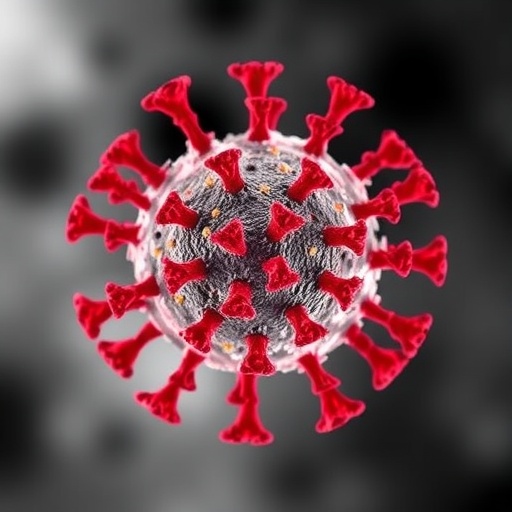
Researchers at the University of Vermont Robert Larner, M.D. College of Medicine and Upstate Medical University report that dengue virus can not only enter but also replicate within memory B cells—immune cells best known for generating protective antibodies. The study, published July 20 in Journal of Virology, challenges a long-held view of how adaptive immunity restrains flaviviruses.
Dengue is transmitted by tropical mosquitoes, infecting an estimated 100 million people annually worldwide, with more than four billion living in dengue-prone regions. Symptoms range from fever and severe headache to dangerous complications driven by vascular damage and abnormal blood pressure.
A major explanation for why second infections can be worse involves antibody-dependent enhancement (ADE). In ADE, non-neutralizing antibodies from a prior dengue episode bind the next viral strain and facilitate its entry into susceptible immune cells.
The new work builds on an alternative route termed B cell receptor-dependent enhancement (BDE). Earlier experiments showed that dengue virus can engage the B cell receptor (BCR), a surface molecule that normally recognizes pathogens and triggers B cell signaling.
Here, the researchers demonstrate that dengue-specific memory B cells can be infected by all four dengue virus types (DENV1–4) and subsequently produce infectious virus. Because memory B cells persist for years, they may become a long-lived portal for viral amplification during later exposures.
Using advanced microscopy, the team directly visualized dengue virus entry into memory B cells and mapped how BCR-activated signaling contributes to productive infection. By targeting key molecular pathways downstream of the receptor, the study identified vulnerabilities required for viral replication.
The findings suggest that previously unrecognized mechanisms of immune subversion may help explain severe outcomes following heterologous dengue infections. They also expand the conceptual boundary between “protective” and “permissive” components of the immune system.
Importantly, the paper points toward therapeutic ideas. While no dengue-specific antivirals are currently approved, several B cell–targeting drugs already exist for cancers and autoimmune diseases, raising the possibility of repurposing or adaptation.
In parallel, future strategies could aim to selectively eliminate or modify high-risk memory B cell subsets after an initial dengue infection, potentially reducing the likelihood of severe disease in subsequent encounters. Overall, the work provides a mechanistic foundation for interventions designed to interrupt BCR-dependent enhancement.
Cite Scienmag News
Kristina Jarvis. (July 27, 2026). Study Shows Dengue Virus Infects Immune Cells Designed to Prevent Infection. Scienmag. https://scienmag.com/study-shows-dengue-virus-infects-immune-cells-designed-to-prevent-infection/
Kristina Jarvis. "Study Shows Dengue Virus Infects Immune Cells Designed to Prevent Infection." Scienmag, 27 July 2026, https://scienmag.com/study-shows-dengue-virus-infects-immune-cells-designed-to-prevent-infection/. Accessed 4 September 2026.
Kristina Jarvis. "Study Shows Dengue Virus Infects Immune Cells Designed to Prevent Infection." Scienmag. July 27, 2026. https://scienmag.com/study-shows-dengue-virus-infects-immune-cells-designed-to-prevent-infection/


