


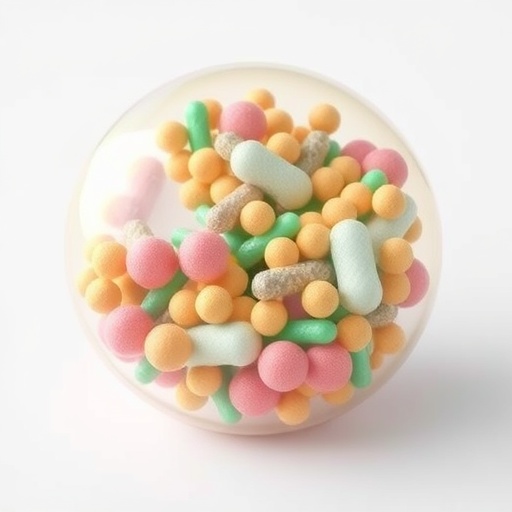
Scientists have engineered a groundbreaking probiotic microcapsule system to tackle inflammatory bowel disease (IBD), a chronic condition affecting millions worldwide. This innovative “microcapsule reactor” uses bioinspired design principles to create a therapeutic delivery platform that precisely modulates gut inflammation. The work, recently published in Nature Communications, demonstrates the potential of combining synthetic biology with biomaterials to advance microbiome-targeted therapies.
IBD, encompassing Crohn’s disease and ulcerative colitis, involves complex immune dysregulation and disruption of gut microbial balance. Current treatments often involve systemic immunosuppression with significant side effects. To address these limitations, researchers developed encapsulated probiotics that act as mini-factories inside the gut, designed to produce therapeutic molecules where they are most needed.
The study details the creation of a microcapsule structure that not only protects engineered probiotics from harsh gastrointestinal conditions but also creates a self-sustaining microenvironment promoting their growth and function. This microcapsule mimics natural biological reactors, facilitating controlled biochemical reactions within confined chambers. By replicating these conditions, the microcapsules optimize the probiotics’ ability to synthesize anti-inflammatory compounds.
A key innovation lies in the microcapsule’s architectural design. The researchers created a semi-permeable shell incorporating materials that allow nutrient exchange while shielding probiotics from gastric acid and bile salts. Inside, the microcapsules maintain a microenvironment rich in signaling molecules to enhance probiotic viability and function. This dual protection and nurturing system overcome previous obstacles in oral probiotic delivery.
Moreover, the probiotics themselves were genetically engineered to express therapeutic factors such as anti-inflammatory cytokines and enzymes capable of modulating the gut immune response. When administered orally, these microcapsules reach the diseased intestinal regions and locally release bioactive compounds that dampen inflammation and promote tissue healing.
Animal model experiments demonstrated significant alleviation of IBD symptoms, including reduced mucosal damage and decreased inflammatory markers. Importantly, the microcapsule system showed prolonged colonization and therapeutic effect compared to unencapsulated probiotic controls, highlighting its enhanced efficacy.
This work represents a convergence of multiple cutting-edge technologies: synthetic biology-enabled probiotic engineering, advanced biomaterial design, and understanding of the gut immune-microbiota interface. The microcapsule reactor concept may be extended beyond IBD to address diverse diseases linked to microbiome dysfunction.
By providing a modular platform that combines engineered live microbes with smart encapsulation, this technology paves the way for next-generation microbiome therapeutics. Future clinical translation could revolutionize treatment approaches for chronic inflammatory disorders, improving patient quality of life with targeted microbial therapies.
This innovative research highlights the power of biomimetic engineering in medicine, offering exciting prospects at the intersection of microbiology, immunology, and materials science. As microbial therapies gain momentum, the bioinspired microcapsule reactor stands out as a seminal advance toward precision medicine for gastrointestinal diseases.
Cite Scienmag News
Morgan Morrow. (July 13, 2026). Bioinspired Microcapsule Reactor Using Engineered Probiotics for IBD Treatment. Scienmag. https://scienmag.com/bioinspired-microcapsule-reactor-using-engineered-probiotics-for-ibd-treatment/
Morgan Morrow. "Bioinspired Microcapsule Reactor Using Engineered Probiotics for IBD Treatment." Scienmag, 13 July 2026, https://scienmag.com/bioinspired-microcapsule-reactor-using-engineered-probiotics-for-ibd-treatment/. Accessed 4 September 2026.
Morgan Morrow. "Bioinspired Microcapsule Reactor Using Engineered Probiotics for IBD Treatment." Scienmag. July 13, 2026. https://scienmag.com/bioinspired-microcapsule-reactor-using-engineered-probiotics-for-ibd-treatment/


