

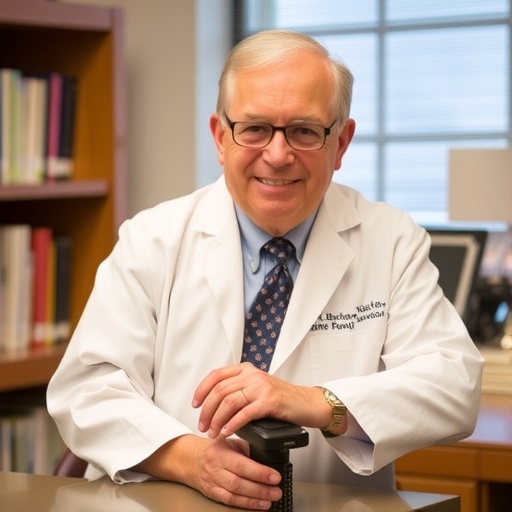
In a bid to reverse the alarming decline of physician-scientists, the Damon Runyon Cancer Research Foundation has named three exceptional early-career clinicians as the 2026 recipients of its Physician-Scientist Training Award. The award tackles a critical workforce gap: financial pressures and mounting student debt are driving talented doctors away from the lab, slowing the translation of fundamental discoveries into life-saving therapies. Each recipient will receive a $460,000 stipend over four years—starting at $100,000 and escalating annually—plus up to $100,000 in medical school debt relief, giving them the freedom to pursue bold, high-risk research without immediate clinical obligations.
Physician-scientists occupy a unique niche, trained to bridge the chasm between molecular biology and patient care. Yet the prolonged training pipeline, combined with lower salaries compared to full-time clinical practice, has thinned their ranks just when oncology urgently needs translational minds. Damon Runyon’s program, established in 2015 by board members Leon Cooperman and Michael Gordon, has already funded 49 fellows, several of whom have moved their concepts into clinical trials. The selection process is notoriously rigorous, with a committee of leading physician-scientists identifying projects that blend scientific novelty with clinical urgency.
Lindsey M. Draper, MD, of the University of California, San Francisco, is tackling ovarian cancer, a malignancy notoriously resistant to checkpoint immunotherapy. Although ovarian tumors often harbor tumor-infiltrating lymphocytes (TILs) that can recognize cancer cells, these TILs are rapidly exhausted and functionally crippled by the tumor microenvironment. Draper’s strategy is to genetically reprogram TILs to overcome exhaustion by introducing synthetic gene fusions that enhance persistence and cytotoxic activity. The delivery vehicle is a custom-engineered virus that selectively infects only tumor-specific TILs while ignoring bystander lymphocytes that might target healthy tissues. This precision targeting could dramatically reduce the risk of autoimmune toxicity, a major barrier to TIL therapies. If successful, the approach could yield a safe, potent immunotherapy for ovarian cancer and other immunologically cold tumors.
At Johns Hopkins University School of Medicine, Michelle N. Ferreira, MD, is confronting a different crisis: immune-related colitis (ir-colitis), one of the most common and debilitating side effects of checkpoint inhibitors. When the immune system is unleashed by these drugs, it can attack the colon, leading to severe diarrhea that forces up to a third of patients to discontinue treatment. Current management relies on immunosuppressive steroids, which may blunt the anticancer response. Ferreira hypothesizes that dietary interventions, particularly intermittent fasting, can reprogram the gut microbiome to resolve colitis without compromising tumor control. Using a mouse model of ir-colitis, she will dissect how fasting alters microbial communities and host metabolism, searching for pathways that can be targeted with diet or probiotics. This work could offer a simple, non-immunosuppressive strategy to manage a toxicity that currently limits the reach of life-saving immunotherapies.
Vivian M. Liu, MD, at Fred Hutchinson Cancer Center, is delving into the molecular underpinnings of acute myeloid leukemia (AML) driven by mutations in the NPM1 gene. NPM1 mutations are the most frequent genetic alteration in adult AML, occurring in roughly 30 percent of cases, and they drive leukemic growth by mislocalizing a normally nucleolar protein to the cytoplasm. Despite this well-known driver event, the downstream proteomic and chromatin changes that create therapeutic vulnerabilities remain poorly mapped. Liu will systematically investigate how mutant NPM1 rewires cell signaling and alters drug sensitivity, aiming to identify synthetic lethal dependencies that can be exploited with new compounds. By integrating detailed mechanistic studies with patient-derived samples, she hopes to uncover targets that could transform outcomes for a disease that still carries a grim prognosis.
The Damon Runyon Cancer Research Foundation has a storied legacy of backing scientists who go on to reshape medicine. Since its founding in 1946, it has invested over $491 million and supported nearly 4,100 researchers, thirteen of whom have won Nobel Prizes. The Physician-Scientist Training Award embodies the foundation’s philosophy that early-career freedom fuels breakthroughs. Draper’s precision-virotherapy, Ferreira’s dietary-microbiome axis, and Liu’s oncoprotein mapping each represent the kind of cross-disciplinary thinking that can open entirely new therapeutic avenues. As these projects unfold, they underscore a vital truth: supporting physician-scientists at the fragile start of their careers is among the most powerful bets we can make against cancer.
Subject of Research: Cancer immunotherapy, immune-related colitis, acute myeloid leukemia
Article Title: Damon Runyon Awards Fuel Bold Research into Ovarian Cancer, Immunotherapy Toxicity, and Leukemia
News Publication Date:
Web References: https://damonrunyon.org/
References:
Image Credits:
Keywords: Cancer research, Clinical research, Physician scientists, Early career scientists, Immunotherapy, Ovarian cancer, Tumor-infiltrating lymphocytes, Immune-related colitis, Microbiome, Intermittent fasting, Acute myeloid leukemia, NPM1 mutation


