

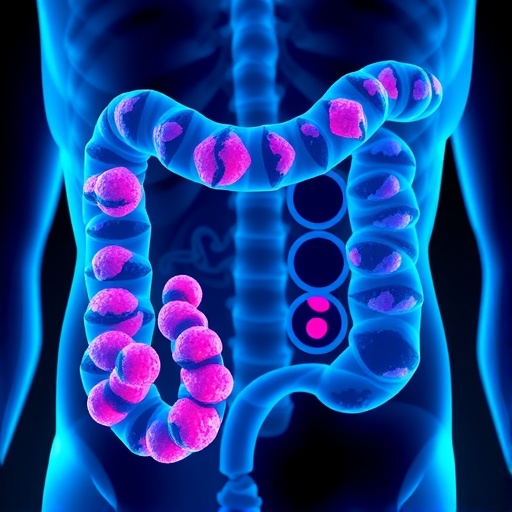
A revolutionary shift in colorectal cancer detection is underway, as a comprehensive new review highlights the power of liquid biopsies to spot deadly tumors long before symptoms appear—without the need for invasive scopes. The study, published in Clinica Chimica Acta, meticulously catalogues a wave of emerging biomarkers detectable in simple blood or stool samples, offering a glimpse into a future where screening becomes as routine as a cholesterol check. These molecular messengers—ranging from fragments of tumor DNA to microbial signatures—could dramatically boost survival rates by catching the disease at stages when treatment is nearly always curative.
At the core of this transformation are circulating tumor DNA (ctDNA) and microRNAs (miRNAs). ctDNA consists of short stretches of genetic material shed by cancer cells into the bloodstream, carrying telltale mutations in genes like KRAS, BRAF, and TP53, as well as aberrant methylation patterns on promoter regions such as SEPT9 and VIM. Highly sensitive next-generation sequencing and digital droplet PCR can now detect these fragments at fractions of a percent against a background of normal DNA. miRNAs, tiny non-coding RNAs that regulate gene expression, travel in exosomes or bind to proteins, forming stable biomarker panels; signatures like miR-21, miR-92a, and miR-145 distinguish colorectal tumors from benign polyps with precision that rivals tissue pathology.
Beyond the cancer cell itself, the review underscores how the tumor’s surrounding ecosystem leaves distinct molecular footprints. The gut microbiome undergoes characteristic shifts during colorectal carcinogenesis, with researchers pinpointing increases in Fusobacterium nucleatum, Peptostreptococcus anaerobius, and Bacteroides fragilis in stool and mucosal samples. These bacteria not only promote inflammation but also release metabolites—such as short-chain fatty acids, polyamines, and secondary bile acids—that can be measured via mass spectrometry-based metabolomics. Simultaneously, proteomic profiling of blood reveals altered levels of proteins like CEA, TIMP-1, and the M2-PK enzyme, while novel panels combining multiple analytes push sensitivity and specificity above 90 percent in early validation studies.
The urgent need for such non-invasive tools is etched in stark epidemiological data. Colorectal cancer remains the third most diagnosed malignancy worldwide, with 1.9 million new cases and nearly 904,000 deaths in 2022 alone. The World Health Organization projects a steep rise driven by aging populations, urbanization, obesity, sedentary lifestyles, and surging consumption of red and processed meats. When caught early—while still localized to the bowel wall—five-year survival exceeds 90 percent. That number plummets below 15 percent once distant metastases appear, a brutal drop that underscores why improving early detection is the single most effective lever for reducing mortality.
Conventional screening methods, though credited with lowering death rates, face significant hurdles. Colonoscopy requires bowel cleansing, sedation, and specialized endoscopic skills, leading many eligible people to forgo it entirely. Stool-based fecal immunochemical tests (FIT) and guaiac-based FOBT detect hidden blood but struggle with adherence because they demand annual repetition and often produce false positives from benign conditions. CT colonography still exposes patients to radiation and bowel preparation. It is here that liquid biomarkers promise a quantum leap: a simple blood draw or stool collection that can be integrated into routine checkups, massively expanding access and compliance.
Harnessing these biomarkers, the review authors envision a multi-omics integration strategy that layers genomic, epigenomic, transcriptomic, proteomic, metabolomic, and microbiomic data into a unified risk score. Machine-learning algorithms trained on thousands of samples can identify subtle combinatorial patterns that no single analyte could reveal alone, moving beyond “one marker, one threshold” toward dynamic, personalized screening intervals. For instance, a patient with an elevated ctDNA methylation score, a particular stool microbial signature, and a rising serum protein profile might be flagged for immediate colonoscopy, while those with low probability could safely defer invasive testing.
The translational roadmap from discovery to clinic, however, demands rigorous validation in large, diverse cohorts. The study’s structured literature search spanned PubMed, Scopus, and Web of Science from 2010 to 2025, prioritizing methodologically robust investigations that minimize overlapping datasets and bias. Already, commercial tests like the blood-based SEPT9 methylation assay and the multitarget stool DNA test Cologuard have achieved regulatory approval, paving the way for broader acceptance. Ongoing trials are evaluating dynamic monitoring via serial ctDNA measurements to detect minimal residual disease after surgery, potentially identifying recurrence months before imaging can.
Ultimately, the marriage of liquid biomarkers with cutting-edge multi-omics technologies represents a paradigm shift that could democratize colorectal cancer screening across low-resource settings and developed nations alike. By eliminating the barriers of discomfort, time, and fear, these tests could lift screening adherence from its current plateau, enabling early intervention at scales never before possible. As the authors conclude, sustained investment and collaborative science will be pivotal in translating these molecular insights into lives saved—transforming colorectal cancer from a silent killer into a largely preventable disease detected at a whisper.
Subject of Research: Emerging liquid biomarkers for early detection of colorectal cancer, including ctDNA, miRNAs, gut microbiome, metabolomic, proteomic, and epigenomic signatures.
Article Title: Emerging biomarkers for early detection of colorectal cancer
News Publication Date: 15 July 2026
Web References: https://doi.org/10.1016/j.cca.2026.121013
References: Clinica Chimica Acta (2026), DOI: 10.1016/j.cca.2026.121013
Image Credits: Clinica Chimica Acta (2026), DOI: 10.1016/j.cca.2026.121013


