


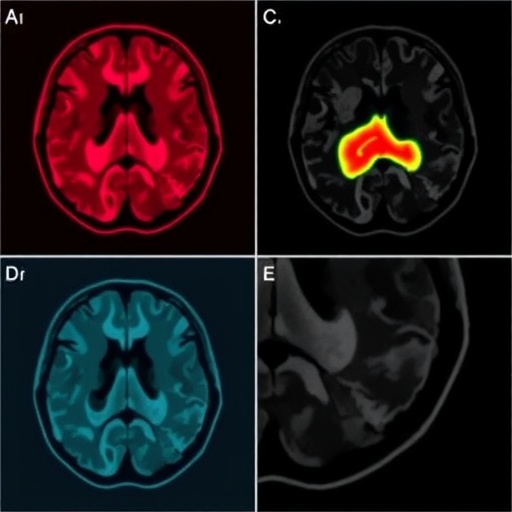
Intraventricular hemorrhage (IVH) remains one of the most significant complications affecting preterm infants, especially those requiring ventilatory support. The recently published study from the VentFirst trial brings critical insights into the rates, predictors, and comparative risks of IVH among neonates, shedding light on outcomes that could inform clinical practice and future research. This comprehensive analysis not only documents incidence rates within the VentFirst cohort but also evaluates severe IVH occurrences and benchmarks these against a contemporaneous neonatal population.
The VentFirst trial cohort provided a focused patient population characterized by critical respiratory needs, inherently placing them at elevated IVH risk. IVH, a bleeding event within the brain’s ventricular system, poses severe neurological risks that can result in long-term developmental delays or mortality. Within this trial’s framework, the observed overall IVH rate was notably high, underscoring the fragile state of the cohort and the complexity of their clinical courses. The presence or absence of IVH and its severity directly correlate with multifactorial elements, including gestational age, birth weight, and intervention modalities, all examined through sophisticated modeling approaches in this study.
Crucially, the researchers stratified the severity of IVH, distinguishing between any grade hemorrhages and those classified as severe (Grade III-IV). Severe IVH is particularly concerning due to its potential to cause hydrocephalus and permanent neurological impairment. The data revealed that severe IVH constituted a significant portion of all hemorrhagic events within VentFirst. These statistics underscore the pressing need for heightened surveillance and perhaps even novel preventative strategies within neonatal intensive care units (NICUs) caring for ventilated preterm infants.
The examination of predictive factors within the VentFirst group offered groundbreaking revelations. Advanced regression models identified multiple variables strongly associated with severe IVH, including the duration and intensity of mechanical ventilation, hemodynamic instability, and fluctuating cerebral blood flow. These predictors align with pathophysiological understandings that cerebral autoregulation disruptions and ventilator-induced fluctuations in intrathoracic pressure amplify the risk of rupturing fragile germinal matrix vessels. Recognition of these predictors can refine risk stratification models and guide clinicians in implementing tailored interventions to mitigate hemorrhage risk.
Comparative analyses extended beyond the VentFirst trial, incorporating a contemporaneous control cohort drawn from a geographically and demographically similar population receiving standard NICU care. This crucial comparative step validated the tendency for ventilated infants to experience higher IVH rates than their non-ventilated counterparts. The contemporaneous cohort’s IVH rates were significantly lower, particularly in severe cases, reinforcing the impact of mechanical respiratory support as a pivotal risk enhancer. Such comparisons serve to contextualize the VentFirst findings, emphasizing how invasive respiratory strategies complicate neonatal care despite their critical necessity.
The study further nuanced severity classification by incorporating cerebral ultrasound findings, enhancing diagnostic accuracy and severity grading. These neuroimaging benchmarks allowed for precise documentation of IVH evolution over time, allowing clinicians to track hemorrhage resolution or progression. The ability to correlate imaging data with clinical parameters offered robust validation for identified risk predictors and illuminated potential windows for intervention before hemorrhage escalation.
Importantly, these findings ripple beyond academic interest; they bear immediate clinical implications. The high rate of IVH within ventilated neonates calls for a re-examination of current respiratory support protocols, especially concerning timing, modes, and pressure settings. Customization of ventilation parameters to minimize cranial pressure fluctuations could reduce germinal matrix vessel vulnerability. Additionally, the study advocates for intensified neuromonitoring in ventilated infants, potentially leveraging emerging technologies such as near-infrared spectroscopy to detect early hemodynamic distress.
Beyond respiratory management, the study urges comprehensive multidisciplinary approaches addressing systemic factors influencing IVH risk. Hemodynamic stabilization through careful fluid management, along with pharmacologic strategies targeting coagulation pathways, may offer synergistic benefits. The identification of severe IVH predictors enables more aggressive prophylactic interventions in high-risk infants, which could fundamentally alter prognosis trajectories.
While the comparative cohort data affirm the influence of ventilation on IVH prevalence, the study also raises important questions regarding inherent vulnerabilities within the extremely preterm population. Genetic predispositions, inflammatory responses, and prenatal insults likely interplay with mechanical factors to shape hemorrhage risk. Future research integrating genomic and biomarker analyses could unearth these critical underpinnings, facilitating predictive precision medicine approaches in neonatology.
The VentFirst trial’s meticulous methodology, incorporating prospective enrollment, standardized imaging protocols, and comprehensive ventilatory data capture, strengthens the reliability of its findings. These methodological rigor elements serve as a model for future studies seeking to unravel the formidable challenge of IVH in vulnerable infants. Moreover, the trial highlights how large multi-center collaborations are indispensable for acquiring statistically robust and generalizable insights into complex neonatal conditions.
This work also situates itself within an evolving landscape of neonatal care, where technologically advanced respiratory supports are becoming commonplace even in the most premature infants. Balancing life-saving interventions against their collateral risks demands continuous evaluation. The VentFirst trial’s contribution offers a benchmark against which emerging ventilatory modalities can be assessed for neurovascular safety, guiding innovation with a safety-first lens.
In summation, the VentFirst trial illuminates the stark reality of intraventricular hemorrhage risk amidst ventilated preterm neonates, quantifying the burden, elucidating predictive factors for severe hemorrhage, and contextualizing these results against broader neonatal cohorts. Such data-driven insights are vital for refining clinical guidelines, stimulating targeted preventative research, and ultimately reducing the devastating neurodevelopmental sequelae associated with IVH. The neonatal intensive care community, armed with enhanced knowledge, stands poised to advance care standards and improve outcomes for this vulnerable population.
The implications of this study ripple far beyond the NICU, resonating with neonatologists, neurologists, and pediatric researchers globally. By spotlighting the nuanced interplay between mechanical ventilation and cerebral hemorrhage risk, the VentFirst trial invigorates multidisciplinary dialogues and catalyzes innovation in neonatal care pathways. As neonatal survival improves, nuances like IVH risk and prevention will increasingly define quality of life and long-term outcomes.
With robust data underscoring the urgency and complexity of IVH management, this research advocates for an integrated clinical and research agenda focused on mechanistic elucidation, preventive innovation, and personalized risk stratification. The legacy of the VentFirst trial will likely be measured by its catalytic role in driving safer respiratory care practices and reducing the global burden of neurological complications in preterm infants.
Cite Scienmag News
Harold Sullivan. (June 23, 2026). Intraventricular Hemorrhage Rates and Predictors Compared. Scienmag. https://scienmag.com/intraventricular-hemorrhage-rates-and-predictors-compared/
Harold Sullivan. "Intraventricular Hemorrhage Rates and Predictors Compared." Scienmag, 23 June 2026, https://scienmag.com/intraventricular-hemorrhage-rates-and-predictors-compared/. Accessed 3 September 2026.
Harold Sullivan. "Intraventricular Hemorrhage Rates and Predictors Compared." Scienmag. June 23, 2026. https://scienmag.com/intraventricular-hemorrhage-rates-and-predictors-compared/


