


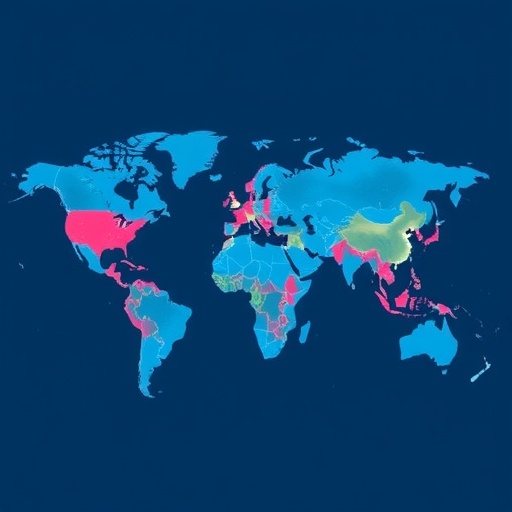
A groundbreaking international survey spearheaded by the International Osteoporosis Foundation (IOF) has brought to light the profound and often overlooked challenges faced by adults suffering from hypophosphataemic osteomalacia (HO), a rare and debilitating metabolic bone disorder. This comprehensive investigation, drawing on insights from frontline clinicians worldwide, reveals not only the significant clinical burden posed by HO but also striking disparities in its management across different geographic regions and healthcare systems.
Hypophosphataemic osteomalacia, characterized predominantly by low phosphate levels leading to defective bone mineralization, manifests in various underlying disorders such as X-linked hypophosphataemia (XLH), tumour-induced osteomalacia (TIO), and fibrous dysplasia associated with McCune-Albright syndrome (FD/MAS). Despite the biological heterogeneity of these conditions, adults affected frequently endure similar distressing symptoms including persistent bone pain, progressive muscle weakness, and impaired mobility, which cumulatively erode their quality of life and socioeconomic participation.
The survey aggregated responses from 40 clinicians spread across 24 countries, collectively managing over a thousand adult patients with HO. Notably, the largest subset of these patients was those diagnosed with XLH, a hereditary condition constituting 35% of the cases analyzed. Tumour-induced osteomalacia accounted for nearly a quarter of the cases, whereas FD/MAS represented approximately 16%. This broad sampling underscores the global reach of HO and the imperative for harmonized clinical strategies.
Clinicians reported a troubling frequency of musculoskeletal symptoms driving considerable physical disability among HO patients. These manifestations not only obstruct daily functioning but also impose chronic pain syndromes that remain insufficiently addressed. The pathophysiology involving defective phosphate reabsorption in the renal tubules leads to mineralization defects in bones, which consequently results in structural fragility and increased fracture risk. The metabolic underpinnings necessitate nuanced therapeutic approaches that can modify disease trajectory.
Treatment modalities vary substantially depending on the specific HO subtype and local healthcare resources. For instance, patients with XLH were often found to have discontinued conventional phosphate and active vitamin D therapy, potentially due to adherence challenges or adverse effects, yet an emerging subset has transitioned to burosumab, a monoclonal antibody targeting fibroblast growth factor 23 (FGF23). This biologic agent represents a significant therapeutic advancement, addressing the pathogenic mechanisms more precisely compared to traditional supplementation.
Conversely, TIO management tends to rely heavily on tumor localization and surgical excision, as removal of the phosphaturic tumour can result in biochemical normalization and symptom remission. In this cohort, phosphate and vitamin D therapy remain conventional adjuncts, while burosumab is employed more sparingly, likely reflecting both access constraints and clinical guidelines. This highlights the critical role of multidisciplinary teams, including endocrinologists, oncologists, and surgeons, in delivering optimal care.
Across all HO subtypes, a notably high incidence of pain medication usage, including opioid analgesics, was observed, underpinning the unmet need for better pain management strategies. The reliance on such medications underscores the pervasive and disabling nature of HO symptoms and indicates gaps in comprehensive symptomatic relief and rehabilitative support within current treatment paradigms.
The survey elucidates stark discrepancies in how HO is addressed globally, influenced by factors such as diagnostic availability, regional expertise, and healthcare infrastructure. These variations contribute to inconsistent patient outcomes, emphasizing the necessity for improved awareness and standardized care models extending beyond specialized centers to primary healthcare providers. Early diagnosis is vital, given that delays can exacerbate skeletal deformities and reduce the efficacy of interventions.
One of the critical challenges in managing adult HO lies in the transition from pediatric to adult healthcare services. This transitional phase is often marred by discontinuities in care, loss to follow-up, and psychological stress, which cumulatively hinder disease control. The rarity of HO compounds these challenges, as non-specialist clinicians frequently lack exposure to sufficient cases to develop proficiency in diagnosis and management, leading to under-recognition and therapeutic inertia.
The IOF study advocates for enhanced educational outreach to healthcare professionals, particularly those operating in community and primary care settings, where initial patient contact typically occurs. Establishing multidisciplinary frameworks integrating endocrinology, rheumatology, orthopedics, and pain specialists is paramount in optimizing treatment pathways that holistically address both the metabolic derangements and the musculoskeletal impairments inherent to HO.
In addition to clinical care improvements, the survey highlights urgent research priorities. These include elucidating regional disparities in management practices and outcomes, as well as conducting patient-centered studies focusing on interventions that alleviate pain, enhance mobility, and improve overall life quality. Leveraging emerging biomarkers and advanced imaging modalities may further refine diagnostics and therapeutic monitoring.
Professor Maria Luisa Brandi, the lead author of the study, aptly summarized the pressing need for action, emphasizing that adults with hypophosphataemic osteomalacia endure a significant and persistent disease burden that remains widely underestimated. She pointed to common diagnostic hurdles, the overlapping symptomatology with other musculoskeletal conditions, and the critical importance of educating the broader medical community.
Complementing these insights, Professor Nicholas Harvey, IOF President and co-author, underscored the indispensable role of global collaboration in tackling rare musculoskeletal diseases. The IOF’s expansive network facilitates the identification of care gaps and fosters unified efforts toward disseminating knowledge, harmonizing treatment protocols, and advocating for patient-centric healthcare policies internationally.
As therapeutic advancements like burosumab gain traction and awareness of HO increases, this landmark survey provides a scientific foundation upon which healthcare systems can build to enhance detection, tailor treatments, and ultimately improve prognoses for adults living with these challenging metabolic bone disorders.
This international initiative signifies a pivotal step in bridging knowledge gaps and underlines the broader imperative of integrating rare disease management into mainstream clinical practice, ensuring that no patient with hypophosphataemic osteomalacia is left behind due to systemic oversight or resource inequities.
News Publication Date: 30-Mar-2026
Web References: http://dx.doi.org/10.1007/s11657-026-01692-y, https://www.osteoporosis.foundation/
References: Brandi, M. L., Halbout, P., Pierroz, D. D., & Harvey, N. C. (2026). Global perspectives on the burden and management of hypophosphataemic osteomalacia in adult patients: An International Osteoporosis Foundation (IOF) survey. Archives of Osteoporosis, 21, 61.
Cite Scienmag News
Courtney Benton. (April 21, 2026). Global Survey Uncovers Widespread Impact and Varied Treatment Approaches for Hypophosphataemic Osteomalacia in Adults. Scienmag. https://scienmag.com/global-survey-uncovers-widespread-impact-and-varied-treatment-approaches-for-hypophosphataemic-osteomalacia-in-adults/
Courtney Benton. "Global Survey Uncovers Widespread Impact and Varied Treatment Approaches for Hypophosphataemic Osteomalacia in Adults." Scienmag, 21 April 2026, https://scienmag.com/global-survey-uncovers-widespread-impact-and-varied-treatment-approaches-for-hypophosphataemic-osteomalacia-in-adults/. Accessed 5 September 2026.
Courtney Benton. "Global Survey Uncovers Widespread Impact and Varied Treatment Approaches for Hypophosphataemic Osteomalacia in Adults." Scienmag. April 21, 2026. https://scienmag.com/global-survey-uncovers-widespread-impact-and-varied-treatment-approaches-for-hypophosphataemic-osteomalacia-in-adults/


