


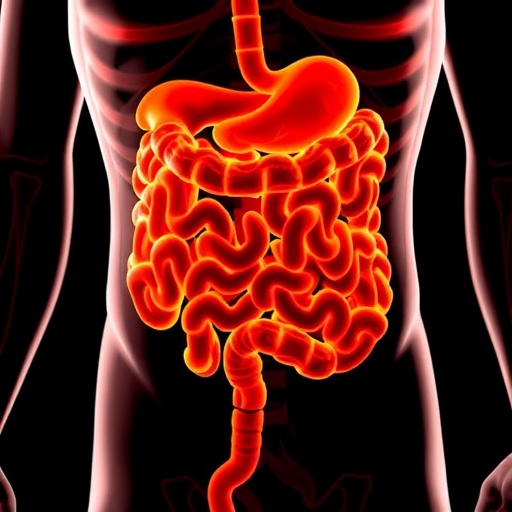
A groundbreaking study has emerged from the intersection of psychiatry and microbiome science, revealing promising prospects for the treatment of affective disorders through modulation of the gut microbiota. In a pioneering case-series published in Translational Psychiatry, researchers explored the impact of oral acetate supplementation on patients undergoing psychotropic medication, aiming to investigate its potential both in reshaping gut microbial communities and improving metabolic parameters frequently disrupted in this population.
The human gut microbiota, a complex ecosystem comprising trillions of microorganisms, has become increasingly recognized as a significant player in central nervous system function, mood regulation, and metabolic health. Alterations in this microbial landscape—dysbiosis—have been linked to numerous neuropsychiatric disorders including depression and bipolar affective disorder. The current research adds a nuanced layer to this understanding by focusing on acetate, a short-chain fatty acid (SCFA) produced naturally through bacterial fermentation of dietary fibers, known for its multiple biological roles including immune modulation, gut barrier integrity enhancement, and systemic metabolic influence.
Previous studies have underscored the compromised metabolic profile that frequently accompanies the use of psychotropic drugs, often leading to weight gain, insulin resistance, and lipid abnormalities. Such adversities not only complicate psychiatric management but also elevate cardiovascular risk. The innovative approach adopted in this study targets a dual path: harnessing the microbiome’s intrinsic metabolic mediation while concurrently aiming to rectify mood disturbances through systemic and neurochemical routes influenced by SCFAs.
This case-series systematically administered oral acetate supplements to a group of patients diagnosed with affective disorders and undergoing standard psychotropic regimens. The supplementation was designed to elevate systemic acetate levels, thereby exerting downstream effects on gut microbial composition and host metabolism. Intricate microbiome analyses, metabolic profiling, and psychiatric assessments were conducted longitudinally to delineate the trajectories induced by this intervention.
Encouragingly, the findings revealed substantive shifts in gut microbiota composition, characterized by an increase in beneficial bacterial taxa known to produce SCFAs and a reduction in potentially pathogenic microbes. This rebalancing was correlated with marked improvements in metabolic indices such as glycemic control and lipid profiles, which are critical for both physical health and the optimization of psychiatric treatment outcomes.
Furthermore, psychometric evaluations indicated a trend towards amelioration of affective symptoms. While the mechanistic underpinnings remain to be fully delineated, it is hypothesized that systemic acetate influences neuroinflammatory pathways and modulates neurochemical signaling, possibly through the gut-brain axis. This axis, a bidirectional communication network between the gastrointestinal tract and the central nervous system, involves neural, hormonal, and immunological signaling pathways, which are increasingly appreciated as therapeutic targets.
The study’s integrative approach offers compelling evidence supporting the microbiota-metabolism-psychiatry nexus. It highlights acetate not merely as a metabolic substrate but as a bioactive compound capable of mediating complex crosstalk between microbial metabolites and host physiology, ultimately influencing mood regulation and metabolic health in psychiatric patients.
Despite the promising nature of these preliminary results, the authors emphasize the necessity for expanded randomized controlled trials to validate efficacy, dosing paradigms, and long-term safety of acetate supplementation. Understanding patient-specific microbiome profiles and their dynamic response to such interventions may foster the advent of personalized medicine in psychiatric care.
Moreover, this exploration raises intriguing questions about the potential of dietary modifications—such as increased fiber intake to naturally boost SCFA production—as adjunctive treatments for affective disorders. It also sheds light on the broader implications of microbiome-targeted therapies in mitigating the metabolic side effects burdening patients on long-term psychotropic medication.
From a biochemical perspective, acetate functions as a substrate for acetyl-CoA synthesis, a pivotal molecule in energy metabolism and epigenetic regulation. This biochemical pathway may explain some of the observed systemic effects, linking the gut microbiome’s metabolic outputs to gene expression changes within the host’s neuronal and peripheral tissues.
The research also underscores the complexity of psychotropic drug impact on host physiology beyond neurotransmitter modulation, extending into metabolic and microbial ecosystems. Incorporating microbiome modulation strategies could revolutionize therapeutic frameworks, enhancing efficacy and minimizing adverse effects.
This scientific advance exemplifies the growing transcendence of siloed medical disciplines, where neuropsychiatry, microbiology, and metabolic medicine converge. It calls for multidisciplinary collaboration in both research and clinical practice to harness the potential of microbiota-based interventions in psychiatric populations.
In sum, the documented case-series serves as a vital proof-of-concept that oral acetate supplementation can beneficially alter gut microbiota and improve metabolic parameters in patients with affective disorders treated with psychotropics, with promising implications for mood symptom management. This novel therapeutic direction could signify a paradigm shift, inviting clinicians and researchers alike to reimagine mental health treatments through a microbiome-centered lens.
As this line of investigation unfolds, it promises to unlock unprecedented opportunities for non-invasive, adjunctive therapies that target the root of complex interactions between the mind and body. The science community, patients, and healthcare providers await with anticipation the outcomes of larger-scale studies that might confirm acetate’s role as a cornerstone in future psychiatric therapeutic strategies.
Cite Scienmag News
Glenn Wilkins. (April 21, 2026). Oral Acetate Boosts Gut and Metabolic Health. Scienmag. https://scienmag.com/oral-acetate-boosts-gut-and-metabolic-health/
Glenn Wilkins. "Oral Acetate Boosts Gut and Metabolic Health." Scienmag, 21 April 2026, https://scienmag.com/oral-acetate-boosts-gut-and-metabolic-health/. Accessed 5 September 2026.
Glenn Wilkins. "Oral Acetate Boosts Gut and Metabolic Health." Scienmag. April 21, 2026. https://scienmag.com/oral-acetate-boosts-gut-and-metabolic-health/


