


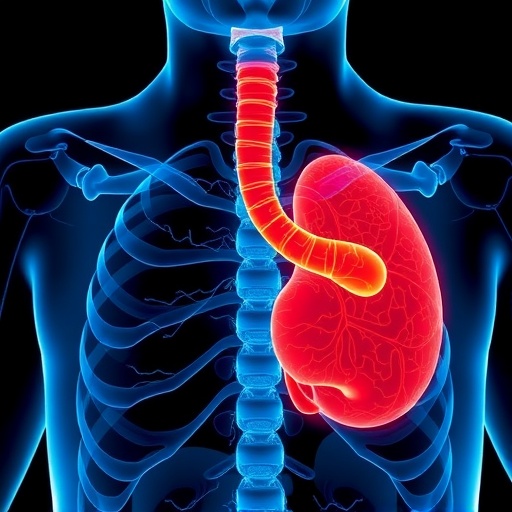
In recent years, immunotherapy has emerged as a front-line treatment paradigm for various types of cancers, including esophageal squamous cell carcinoma (ESCC). Among the various therapies being explored, Tislelizumab, a monoclonal antibody, has captured the attention of researchers and clinicians alike due to its unique mechanism of action and promising clinical outcomes. This overview delves into the comparative efficacy and safety of Tislelizumab as a second-line therapeutic option for patients suffering from ESCC, synthesizing relevant literature and simulated treatment comparisons to better illustrate its potential benefits.
The systematic literature review conducted by Ajani, Wang, Nikolaidis, and colleagues shines a spotlight on the critical role of Tislelizumab in treating patients who have previously failed other treatment modalities. ESCC, known for its aggressive nature and poor prognosis, often leaves patients with limited treatment choices once first-line therapies have been exhausted. The introduction of Tislelizumab presents a hope for better management of this challenging condition.
In the study, researchers meticulously reviewed multiple clinical trials and studies that evaluated the efficacy of Tislelizumab in patients with advanced ESCC. The findings reveal a noteworthy achievement in overall survival rates when compared to traditional treatments. These findings not only contribute to understanding Tislelizumab’s performance but also underscore the burgeoning importance of immunotherapies in oncology today.
An essential aspect of the review was the emphasis on safety profiles. While efficacy is of utmost importance, safety must equally be prioritized, especially in a patient population that may already be significantly weakened by cancer and prior treatments. The results suggest that Tislelizumab has a favorable safety profile, with manageable adverse effects compared to chemotherapy regimens, which are often burdensome and contribute to decreased quality of life.
Furthermore, the simulation models applied in the study allowed researchers to project long-term treatment outcomes and cost-effectiveness, further evidencing the potential advantages of Tislelizumab in real-world settings. Economic analyses are critical in today’s healthcare landscape, as they not only aid in clinical decision-making but also help policy-makers prioritize funding for innovative treatments. The promising results from these models underscore Tislelizumab’s potential to not only improve survival rates but also offer a more sustainable treatment option financially.
Additionally, the immune checkpoint inhibition mechanism of Tislelizumab deserves critical admiration. By blocking programmed cell death protein 1 (PD-1), this treatment restores the immune system’s ability to recognize and attack cancer cells, a significant shift away from cytotoxic therapies that indiscriminately target all rapidly dividing cells. This specificity may be a pivotal factor in the enhanced efficacy and tolerability noted in patients receiving Tislelizumab.
Such breakthroughs, however, do bring forth discussions regarding biomarker utilization. Identifying which patients are more likely to benefit from Tislelizumab therapy is an ongoing challenge. The authors have pointed out the need for further investigations to establish predictive markers that could aid in patient selection, maximizing treatment efficacy and minimizing unnecessary exposure to inadequate regimens. This area of research could revolutionize personalized medicine in oncology, tailoring therapies to individual patient profiles.
Moreover, the review highlights the importance of understanding the broader implications of introducing Tislelizumab into existing treatment algorithms. As more therapies become available, oncologists must adeptly navigate the complexities of combination therapies. The interplay between Tislelizumab and existing treatment modalities could provide synergistic effects, leading to improved outcomes and enhanced patient survival prospects.
Importantly, the role of patient feedback and quality of life assessments in treatment planning cannot be overlooked. Patients’ perspectives are vital in comprehensively evaluating the impact of new therapies. Insights gathered from patient experiences concerning Tislelizumab could provide crucial information that influences future therapeutic strategies and enhances shared decision-making processes in oncology clinics.
In summary, the systematic literature review underscores Tislelizumab’s promise as an effective second-line therapy for esophageal squamous cell carcinoma, combining efficacy, safety, and the potential for improved quality of life for patients. The ongoing research in this domain represents a beacon of hope, paving the way for future innovations and treatment strategies that recognize the pivotal role of the immune system in combating cancer. As we continue to unravel the complexities of this disease, the findings regarding Tislelizumab herald a new chapter in the quest for comprehensive and effective cancer care.
As researchers and clinicians alike sift through the data, it becomes increasingly evident that the future of oncology may lie in harnessing the body’s own immune defenses through therapies like Tislelizumab. The challenge now is not merely to develop more treatments but to ensure they reach those who will derive the most benefit. This review serves as an essential contribution to that evolving knowledge base.
In conclusion, patients with esophageal squamous cell carcinoma may soon have renewed optimism, as treatments like Tislelizumab promise not only to prolong life but also to improve the quality of that life. Continued research, collaboration, and an unwavering commitment to innovation will ultimately shape the future of cancer therapy, propelling us towards outcomes that were once thought to be unattainable.
Cite Scienmag News
Nathaniel Bowman. (December 12, 2025). Tislelizumab: Efficacy and Safety in Esophageal Cancer. Scienmag. https://scienmag.com/tislelizumab-efficacy-and-safety-in-esophageal-cancer/
Nathaniel Bowman. "Tislelizumab: Efficacy and Safety in Esophageal Cancer." Scienmag, 12 December 2025, https://scienmag.com/tislelizumab-efficacy-and-safety-in-esophageal-cancer/. Accessed 4 September 2026.
Nathaniel Bowman. "Tislelizumab: Efficacy and Safety in Esophageal Cancer." Scienmag. December 12, 2025. https://scienmag.com/tislelizumab-efficacy-and-safety-in-esophageal-cancer/


