


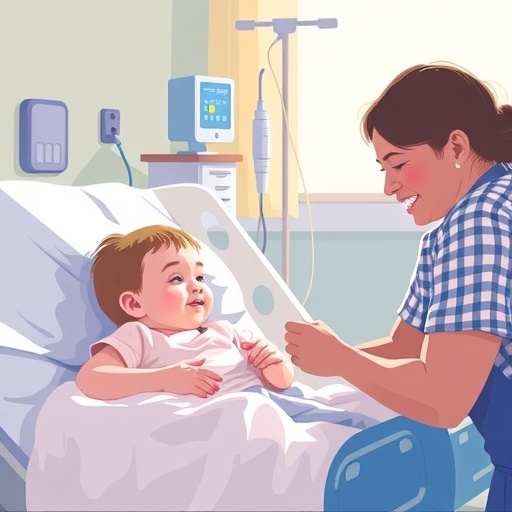
In the ever-evolving landscape of pediatric healthcare, understanding the experiences of young patients and their caregivers has become pivotal. A groundbreaking study titled “Reflections in Focus,” conducted by a team including researchers Ekman, Torto, and Hu, explores these experiences using an innovative method known as Photovoice. This qualitative study provides rich, nuanced insights into the hospital environment as perceived by pediatric patients and their guardians, opening new avenues for enhancing the quality of care provided in medical settings.
Through the lens of Photovoice, participants are encouraged to capture their hospital experiences visually and narratively. This methodology empowers patients and caregivers to share their stories in a way that is authentic and reflective of their individual journeys. In doing so, it sheds light on the emotional and psychological dimensions of being hospitalized, revealing the often-overlooked challenges faced during critical healthcare interactions. The findings of the study emphasize the importance of integrating patient and caregiver voices into hospital policies and practices.
The essence of the study lies in the profound understanding that the hospital experience is not just a series of medical procedures, but a complex interplay of emotions, fears, and hopes. The researchers collected photographs and narratives from pediatric patients, which allowed them to articulate their feelings about their hospital stays. These visual representations serve as a powerful medium for conveying the anxieties and triumphs that come with illness and treatment.
Navigating a hospital as a child can be overwhelming. The study highlights themes of fear, isolation, and confusion that young patients often experience. Notably, caregivers shared their perspectives on these emotional challenges, revealing a shared struggle that complicates the hospital experience. The interplay between patient needs and caregiver concerns reflects the necessity for healthcare providers to adopt a family-centered approach in pediatric care.
An essential takeaway from the research is the significance of communication in the hospital setting. Participants underscored the impact that clear, empathetic communication from healthcare professionals can have on their experiences. This demonstrates the vital role that medical staff play in alleviating fears and fostering a supportive environment. The study advocates for improved training in communication, emphasizing that such skills can lead to better health outcomes and reduced anxiety for both patients and caregivers.
Furthermore, the emotional burden borne by caregivers is a critical aspect of the study. The insights from caregivers reveal how their own feelings of anxiety and fear can affect their ability to support their children. The emotional toll of watching a child undergo medical treatment can lead to significant psychological distress. As such, this study advocates for better support systems for caregivers, highlighting the need for resources that address their mental health and emotional wellbeing.
The research findings also illuminate the disparities in hospital experiences based on various socio-economic factors. Through the lens of Photovoice, the study unveils differences in how patients from diverse backgrounds interact with healthcare systems. Recognizing these disparities is crucial for developing targeted interventions that ensure every pediatric patient and caregiver receives equitable care, regardless of their background.
The implications of this research extend into the realm of hospital design and policy. By incorporating the insights gained from patients and families, healthcare facilities can create more welcoming, supportive environments that cater to the emotional as well as physical needs of young patients. Such changes could include redesigning waiting areas to be more child-friendly or implementing protocols that prioritize family engagement in care decisions.
As the healthcare industry strives for continuous improvement, the findings of the study serve as a call to action for stakeholders to re-evaluate existing systems. The inclusion of patient stories as a fundamental component of hospital policy-making could lead to significant advancements in pediatric care. Recognizing the value of lived experiences will not only foster more compassionate care, but it will also empower patients and families in their healthcare journeys.
Moreover, the study contributes to the broader conversation about patient-centered care. It aligns with an increasing recognition that healthcare systems must adapt to prioritize the patient experience. By embracing methodologies such as Photovoice, researchers and practitioners can glean insights that traditional research methods may overlook, ultimately driving innovation in care delivery.
In conclusion, the research conducted by Ekman and colleagues underscores the importance of amplifying patient and caregiver voices within the pediatric healthcare system. The study serves as a pivotal reminder that understanding the emotional climate of hospital experiences is just as important as addressing the physical aspects of care. By fostering an environment where experiences and feelings are shared and validated, the healthcare community can take significant strides toward improving pediatric health outcomes.
As we look ahead, the findings of this study are poised to influence policy changes and clinical practices. By prioritizing the emotional and psychological dimensions of pediatric care, we can create a more compassionate healthcare experience that serves both patients and caregivers. The future of pediatric health depends on our willingness to listen, learn, and act upon the stories that illuminate the challenges faced by families in healthcare settings.
Through continued research and dialogue, we can hope to forge a path toward a more inclusive and empathetic healthcare system that truly values the voices of all its participants—especially those of the youngest and most vulnerable among us.
Ekman, F.K., Torto, N.M., Hu, K. et al. Reflections in focus: a qualitative Photovoice-informed study on pediatric patient and caregiver hospital experiences.
BMC Pediatr (2026). https://doi.org/10.1186/s12887-025-06281-5
Cite Scienmag News
Harold Sullivan. (January 9, 2026). Visual Insights: Pediatric Patient and Caregiver Hospital Experiences. Scienmag. https://scienmag.com/visual-insights-pediatric-patient-and-caregiver-hospital-experiences/
Harold Sullivan. "Visual Insights: Pediatric Patient and Caregiver Hospital Experiences." Scienmag, 9 January 2026, https://scienmag.com/visual-insights-pediatric-patient-and-caregiver-hospital-experiences/. Accessed 3 September 2026.
Harold Sullivan. "Visual Insights: Pediatric Patient and Caregiver Hospital Experiences." Scienmag. January 9, 2026. https://scienmag.com/visual-insights-pediatric-patient-and-caregiver-hospital-experiences/


