

Tuesday, August 4, 2026
Science
No Result
View All Result
  • Login
  • HOME
  • SCIENCE NEWS
  • CONTACT US
  • HOME
  • SCIENCE NEWS
  • CONTACT US
No Result
View All Result
Scienmag
No Result
View All Result
Home Science News Cancer

Veillonella ratti alters gut microbiome to prevent EAE disease progression

July 14, 2026
in Cancer
Reading Time: 2 mins read
0
Veillonella ratti alters gut microbiome to prevent EAE disease progression

Veillonella ratti alters gut microbiome to prevent EAE disease progression

65
SHARES
587
VIEWS
Share on FacebookShare on Twitter
ADVERTISEMENT

A groundbreaking study published in Experimental & Molecular Medicine unveils the potential of the gut microbiome in combating autoimmune diseases through a novel bacterial intervention. Researchers have identified Veillonella ratti, a gut-commensal bacterium, as a key player in enhancing resistance to experimental autoimmune encephalomyelitis (EAE), a widely used murine model of multiple sclerosis (MS).

The intricate relationship between gut microbes and the immune system has garnered substantial attention in recent years, with mounting evidence implicating gut dysbiosis in the pathogenesis of various autoimmune disorders. This new research delves deeper, providing mechanistic insights into how specific microbial metabolites contribute to immunomodulation and disease resistance.

Using sophisticated genomic and metabolomic analyses, the team led by Sittipo et al. demonstrated that colonization with Veillonella ratti significantly altered the gut microbial composition, enriching pathways involved in the production of short-chain fatty acids (SCFAs) and other bioactive compounds. These microbial metabolites were found to cross the intestinal barrier and influence peripheral immune cells, thereby modulating the systemic immune response.

The study revealed that mice treated with Veillonella ratti exhibited reduced clinical scores and delayed onset of EAE symptoms compared to controls. Notably, flow cytometry analyses showed a decrease in pro-inflammatory Th17 cells and an increase in regulatory T cells (Tregs), suggesting a shift towards immune tolerance.

At the molecular level, microbe-derived metabolites such as propionate and butyrate were pinpointed as crucial mediators of this protective effect. These SCFAs are known to engage G-protein-coupled receptors on immune cells, leading to epigenetic changes that dampen inflammatory gene expression. The authors propose that Veillonella ratti’s metabolic profile optimally harnesses these pathways, providing a novel microbiome-based therapeutic avenue.

This study’s implications extend beyond MS models, as gut microbiome modulation via defined bacterial strains could revolutionize treatment paradigms for a spectrum of autoimmune and inflammatory conditions. The findings underscore the necessity for integrating microbiome science with immunology to develop precision medicine approaches.

While clinical translation remains a future goal, the identification of Veillonella ratti as a beneficial microbe opens the door for probiotic interventions or engineered microbiota therapies. These strategies could complement existing immunomodulatory drugs, potentially reducing side effects and improving long-term disease management.

The authors advocate for further research to delineate the safety profiles, dosing regimens, and mechanistic nuances across human cohorts. Nonetheless, this pioneering work marks a significant milestone in understanding the microbe-host dialogue and its therapeutic potential.

As the global burden of autoimmune diseases rises, this innovative research heralds a promising shift towards microbiome-targeted therapies, potentially transforming patient outcomes and the landscape of neuroimmunology.


Subject of Research: Gut microbiome modulation and autoimmune disease resistance

Article Title: Gut microbiome modulation by Veillonella ratti induces resistance to EAE pathogenesis via microbe-derived metabolites

Article References:
Sittipo, P., Park, JY., Tiffany, E. et al. Gut microbiome modulation by Veillonella ratti induces resistance to EAE pathogenesis via microbe-derived metabolites. Exp Mol Med (2026). https://doi.org/10.1038/s12276-026-01779-z

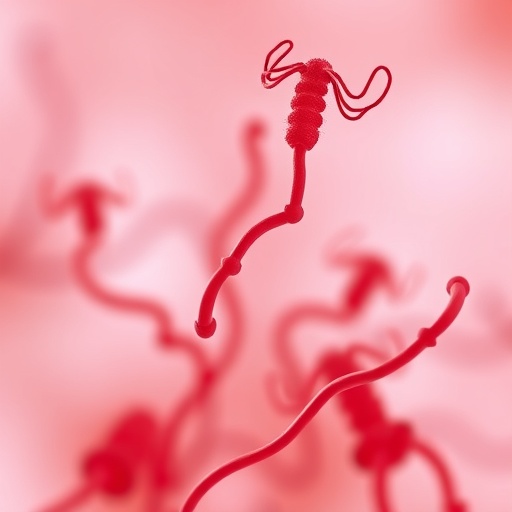
Image Credits: AI Generated

DOI: 14 July 2026

Tags: bacterial influence on systemic immune systemgenomic and metabolomic analysis of gut bacteriagut dysbiosis and autoimmune diseasegut microbiome modulationgut microbiota diversity and autoimmune disease resiliencegut-brain axis and multiple sclerosisimmune cell modulation by gut microbesmicrobial intervention in experimental autoimmune encephalomyelitismicrobial metabolites in immune regulationmicrobiome-based therapies for multiple sclerosisrole of short-chain fatty acids in immune responseVeillonella ratti and autoimmune disease prevention
Share26Tweet16
Previous Post

China’s Resource Cities Face Divergent Wealth Paths and Policy Challenges

Next Post

Transcatheter PDA Closure Effects on Kidney Function in Tiny Preemies

Related Posts

NICE criteria miss up to 95% of under-50s later developing breast cancer
Cancer

NICE criteria miss up to 95% of under-50s later developing breast cancer

August 4, 2026
Targeted therapy combinations may overcome treatment resistance in advanced prostate cancer
Cancer

Targeted therapy combinations may overcome treatment resistance in advanced prostate cancer

August 4, 2026
KiGEP Quantitatively Assesses Human Kidney Similarity and Nephrotoxicity in Kidney Organoids
Cancer

KiGEP Quantitatively Assesses Human Kidney Similarity and Nephrotoxicity in Kidney Organoids

August 3, 2026
FAK Splicing Variants Reveal New Therapeutic Vulnerability in Small Cell Lung Cancer
Cancer

FAK Splicing Variants Reveal New Therapeutic Vulnerability in Small Cell Lung Cancer

August 3, 2026
Researchers identify immune “off switch” exploited by cancer cells
Cancer

Researchers identify immune “off switch” exploited by cancer cells

August 3, 2026
Blood test early predicts immunotherapy response in advanced lung cancer patients
Cancer

Blood test early predicts immunotherapy response in advanced lung cancer patients

August 3, 2026
Next Post
Transcatheter PDA Closure Effects on Kidney Function in Tiny Preemies

Transcatheter PDA Closure Effects on Kidney Function in Tiny Preemies

  • Mothers who receive childcare support from maternal grandparents show more

    Mothers who receive childcare support from maternal grandparents show more parental warmth, finds NTU Singapore study

    27656 shares
    Share 11059 Tweet 6912
  • University of Seville Breaks 120-Year-Old Mystery, Revises a Key Einstein Concept

    1061 shares
    Share 424 Tweet 265
  • Bee body mass, pathogens and local climate influence heat tolerance

    682 shares
    Share 273 Tweet 171
  • Researchers record first-ever images and data of a shark experiencing a boat strike

    546 shares
    Share 218 Tweet 137
  • Groundbreaking Clinical Trial Reveals Lubiprostone Enhances Kidney Function

    531 shares
    Share 212 Tweet 133
Science

Embark on a thrilling journey of discovery with Scienmag.com—your ultimate source for cutting-edge breakthroughs. Immerse yourself in a world where curiosity knows no limits and tomorrow’s possibilities become today’s reality!

RECENT NEWS

  • Study finds AI could enable affordable foot health technology
  • NICE criteria miss up to 95% of under-50s later developing breast cancer
  • Molecular Spin Offers New Insights into How Molecules Work
  • New X-Chromosome Silencing Strategies Point Toward Treatments for X-Linked Disorders

Categories

  • Agriculture
  • Anthropology
  • Archaeology
  • Athmospheric
  • Biology
  • Biotechnology
  • Blog
  • Bussines
  • Cancer
  • Chemistry
  • Climate
  • Earth Science
  • Editorial Policy
  • Marine
  • Mathematics
  • Medicine
  • Pediatry
  • Policy
  • Psychology & Psychiatry
  • Science Education
  • Social Science
  • Space
  • Technology and Engineering

Subscribe to Blog via Email

Enter your email address to subscribe to this blog and receive notifications of new posts by email.

Join 5,147 other subscribers

© 2025 Scienmag - Science Magazine

Welcome Back!

Login to your account below

Forgotten Password?

Retrieve your password

Please enter your username or email address to reset your password.

Log In
No Result
View All Result
  • HOME
  • SCIENCE NEWS
  • CONTACT US

© 2025 Scienmag - Science Magazine

Discover more from Science

Subscribe now to keep reading and get access to the full archive.

Continue reading
