


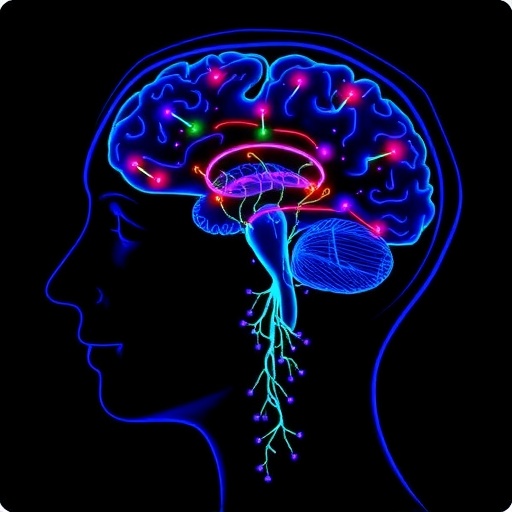
In an ambitious international collaboration spearheaded by Dr. Arezu Jahani-Asl at the University of Ottawa Faculty of Medicine, a groundbreaking study has emerged, shedding critical new light on glioblastoma (GB), the most aggressive and treatment-resistant form of brain cancer in adults. This devastating malignancy has long defied conventional therapies due to its adaptive nature, rapid progression, and complex tumour microenvironment, but recent findings illuminate a promising molecular target that may revolutionize therapeutic strategies against this intractable disease.
Glioblastoma continues to pose formidable challenges for oncologists and researchers alike because of its ability to dynamically alter survival pathways, recruit supportive cells, and evade immune responses. Dr. Jahani-Asl explains that this adaptive complexity underpins the tumour’s notorious resistance to treatment. The new study focuses on deconvoluting this complexity by identifying a central regulatory axis—a molecular “control node”—that orchestrates multiple facets of tumour growth and resilience, offering a pivotal point for intervention previously unrecognized in the field.
At the heart of this research lies the oncostatin M receptor (OSMR), a transmembrane protein that the team has identified as a master regulator in GB pathology. Unlike other receptors that mediate isolated pathways, OSMR serves as a hub that integrates diverse extracellular signals emanating from the tumour microenvironment. This integration enables glioblastoma cells to adopt aggressive phenotypes, sustaining their invasiveness and proliferative capacity, while also underpinning resistance to conventional therapies.
Compelling evidence from the study demonstrates that OSMR does not act in isolation but closely collaborates with prevalent oncogenic mutations found in glioblastoma, amplifying tumour progression through a multifaceted signaling network. Beyond merely sustaining tumour mass, OSMR supports the maintenance of brain tumour stem cells (BTSCs)—a subpopulation notorious for fueling recurrence and therapeutic failure. By enhancing the metabolic resilience of these stem-like cells through upregulated energy production pathways, OSMR fortifies the tumour’s ability to survive under hostile conditions such as hypoxia and chemotherapy.
A key breakthrough in the study was the discovery of chloride intracellular channel 1 (CLIC1) as an integral molecular partner within the OSMR signaling axis. Applying cutting-edge proteomic mapping techniques, the research team identified CLIC1 as a crucial regulator that modulates the signalling cascade essential for GB cell survival and migration. CLIC1 is characterized as a versatile molecular switchboard, orchestrating ionic fluxes and cellular responses crucial to tumour adaptability.
Genetic ablation experiments underscored the indispensability of CLIC1: its removal resulted in a catastrophic breakdown of the OSMR-driven signaling framework, manifesting as a pronounced deceleration of glioblastoma progression in preclinical models. This finding highlights CLIC1’s pivotal role in sustaining oncogenic pathways and marks it as a compelling target for therapeutic exploitation.
Delving into the biophysical realm, the research team employed sophisticated electrophysiological techniques to unravel the functional interplay between OSMR and CLIC1. Their work uncovered a previously undocumented bidirectional feedback loop: OSMR modulates CLIC1 channel activity, while CLIC1 reciprocally sustains and amplifies OSMR’s oncogenic signaling. This self-reinforcing system effectively constructs a robust molecular circuitry that drives the malignancy’s aggressive clinical behavior.
Having mapped the interaction interface between these two proteins, the researchers are now poised to design novel small peptides capable of disrupting this oncogenic crosstalk. Such molecular interventions hold the promise of dismantling the tumor’s “control node,” potentially converting the chaotic tumour growth patterns into more manageable, less lethal states.
Perhaps most encouragingly, the team has succeeded in developing an antibody that selectively targets the transmembrane form of CLIC1, providing a direct means to impair the pathological OSMR-CLIC1 signaling nexus. Preliminary functional assays suggest that this antibody disrupts vital signals that sustain tumour growth, opening avenues for targeted therapies that could complement or possibly surpass current standards of care.
The next phase of this transformative research involves broad validation of these findings across the heterogeneous spectrum of glioblastoma subtypes. By correlating OSMR-CLIC1 axis activity with patient-specific molecular profiles, researchers hope to identify cohorts most likely to benefit from targeted therapies, thus steering toward personalized medicine paradigms in neuro-oncology.
Underlying this scientific endeavor is a deep urgency palpable to Dr. Jahani-Asl and her colleagues, who witness firsthand the devastating impact of GB on patients and their families. Unlike many cancers where incremental gains extend survival over years, glioblastoma leaves precious little time. This acute urgency fuels the team’s relentless pursuit of breakthroughs capable of significantly altering the clinical trajectory of this malignancy.
In summary, this pioneering work redefines our molecular understanding of glioblastoma by identifying the OSMR-CLIC1 signaling axis as a central orchestrator of tumour aggressiveness and therapy resistance. By illuminating a self-sustaining molecular partnership that integrates extracellular cues with intracellular signaling to promote tumor progression, the study not only uncovers a critical vulnerability but also lays the groundwork for innovative treatments that may one day transform outcomes for patients afflicted by this relentless brain cancer.
Cite Scienmag News
Nathaniel Bowman. (June 9, 2026). University of Ottawa Researchers Reveal Hidden Network Driving Aggressive Brain Cancer Growth, Offering New Hope to Overcome Treatment Resistance. Scienmag. https://scienmag.com/university-of-ottawa-researchers-reveal-hidden-network-driving-aggressive-brain-cancer-growth-offering-new-hope-to-overcome-treatment-resistance/
Nathaniel Bowman. "University of Ottawa Researchers Reveal Hidden Network Driving Aggressive Brain Cancer Growth, Offering New Hope to Overcome Treatment Resistance." Scienmag, 9 June 2026, https://scienmag.com/university-of-ottawa-researchers-reveal-hidden-network-driving-aggressive-brain-cancer-growth-offering-new-hope-to-overcome-treatment-resistance/. Accessed 3 September 2026.
Nathaniel Bowman. "University of Ottawa Researchers Reveal Hidden Network Driving Aggressive Brain Cancer Growth, Offering New Hope to Overcome Treatment Resistance." Scienmag. June 9, 2026. https://scienmag.com/university-of-ottawa-researchers-reveal-hidden-network-driving-aggressive-brain-cancer-growth-offering-new-hope-to-overcome-treatment-resistance/


