


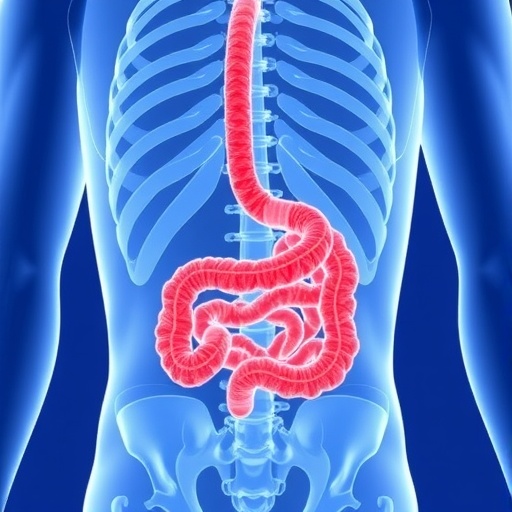
University of Houston scientists have unveiled a promising paradigm shift in the treatment of Crohn’s disease, a chronic inflammatory condition of the gastrointestinal tract that affects nearly one million people in the United States alone. This new approach pivots away from traditional symptom management and delves into addressing the fundamental cellular abnormalities driving disease progression. The findings, published recently in Gastro Hep Advances, illuminate a novel therapeutic avenue with the potential to revolutionize Crohn’s management by focusing on restoring the integrity of the intestinal epithelial barrier, a primary culprit in disease escalation.
Crohn’s disease is characterized by an aberrant immune response that targets and damages the epithelial lining of the intestines – a critical barrier that regulates what passes from the gut lumen into the bloodstream. Persistent injury to this barrier leads to increased permeability, commonly known as “leaky gut,” allowing bacteria and toxins to infiltrate the body, thereby maintaining a vicious cycle of chronic inflammation. Despite the widespread use of anti-inflammatory medications, only about 20% of patients achieve sustained remission, underscoring the dire need to explore more effective therapeutic strategies that tackle the root causes of the disease rather than just mitigating symptoms.
The team, led by Seema Khurana, Moores Professor of biology and biochemistry at the University of Houston, alongside collaborators at Baylor College of Medicine and The University of Texas MD Anderson Cancer Center, challenges the conventional wisdom that Crohn’s is driven primarily by immune dysregulation. Their research posits that intrinsic defects within the intestinal epithelium itself act as a key initiator and perpetuator of immune activation. According to their model, the epithelial cells in Crohn’s patients exhibit dysfunctional stress signaling pathways that prevent normal healing and regeneration, effectively igniting and sustaining the inflammatory cascade.
At the core of this dysfunction is a pathological phenomenon where chronic cellular stress triggers a cell death pathway known as necroptosis—a type of programmed cell death distinct from apoptosis. Under healthy conditions, epithelial cells respond to stress signals dynamically, activating repair mechanisms and restoring barrier function. However, in Crohn’s disease, these stress signals remain constitutively elevated, causing cells to undergo necroptosis. This form of cell death not only impairs epithelial regeneration but also releases pro-inflammatory mediators, further exacerbating intestinal inflammation and tissue damage.
Recognizing the potential for interrupting this deleterious cycle, the researchers explored the repurposing of two FDA-approved cancer drugs, Pazopanib and Ponatinib, to modulate the aberrant signaling pathways responsible for chronic cellular stress and subsequent necroptosis. Both drugs, known for their kinase inhibitory functions in oncology, demonstrated efficacy in preclinical studies at sub-therapeutic dosages in preventing the activation of stress pathways within intestinal epithelial cells. This inhibition allowed cells to survive and regenerate, facilitating restoration of the gut barrier and, ultimately, reducing inflammation.
Utilizing patient-derived organoids—three-dimensional miniaturized models of the human intestine cultivated from Crohn’s patients’ own tissue—the researchers were able to closely replicate in vivo cellular behavior and verify the therapeutic potential of Pazopanib and Ponatinib. These organoids faithfully mimic the complexity of the intestinal epithelium in health and disease, providing a highly relevant experimental system to evaluate drug effects on epithelial regeneration and inflammation with remarkable precision.
The strategic choice to repurpose cancer drugs offers compelling clinical advantages. Given these agents’ established safety profiles and regulatory approval, the timeline and financial barriers typically associated with novel drug development can be dramatically reduced. With clinical trials often spanning over a decade and costing upwards of $1 billion, leveraging existing compounds accelerates the bench-to-bedside trajectory and presents an immediate path to providing relief for patients caught in the cycle of Crohn’s disease flare-ups.
Dr. Khurana emphasized the significance of this translational approach, pointing out that the current therapeutic landscape focuses heavily on symptom control without addressing the underlying epithelial pathology. “Our discovery marks a fundamental shift in understanding Crohn’s disease—not just as an autoimmune disorder but as a disease driven by intrinsic epithelial dysfunction. By repairing the gut barrier itself, we can disrupt the source of inflammation,” she explained.
The implications of these findings extend beyond Crohn’s disease alone, as epithelial barrier integrity and stress signaling pathways are central to many other chronic inflammatory and autoimmune disorders. The insights gained could thus inspire novel therapeutic designs targeting epithelial health in a broad array of diseases where barrier dysfunction plays a critical role.
Moreover, this research underscores the transformative potential of integrating molecular biology with innovative experimental models like organoids, which enhance the translational relevance of preclinical findings. As the field advances, such cutting-edge methodologies will be instrumental in unraveling complex disease mechanisms and expediting the development of targeted interventions.
In summary, the University of Houston-led study redefines Crohn’s disease pathogenesis by identifying a self-destructive epithelial stress response as the primary driver of the chronic immune attack on the gut lining. Through repurposing kinase inhibitors to modulate this stress pathway and promote epithelial regeneration, the researchers have opened a viable channel to break the inflammatory cycle and restore intestinal homeostasis—a breakthrough that could ultimately shift Crohn’s disease treatment paradigms and improve patient outcomes worldwide.
News Publication Date: [Not specified in the content]
Web References:
https://www.ghadvances.org/article/S2772-5723(26)00071-3/fulltext
https://www.niddk.nih.gov/health-information/digestive-diseases/crohns-disease/definition-facts
References: University of Houston, Baylor College of Medicine, The University of Texas MD Anderson Cancer Center research as published in Gastro Hep Advances
Cite Scienmag News
Ophelia Keating. (April 27, 2026). UH Researchers Unveil Promising New Approach for Crohn’s Disease Treatment. Scienmag. https://scienmag.com/uh-researchers-unveil-promising-new-approach-for-crohns-disease-treatment/
Ophelia Keating. "UH Researchers Unveil Promising New Approach for Crohn’s Disease Treatment." Scienmag, 27 April 2026, https://scienmag.com/uh-researchers-unveil-promising-new-approach-for-crohns-disease-treatment/. Accessed 5 September 2026.
Ophelia Keating. "UH Researchers Unveil Promising New Approach for Crohn’s Disease Treatment." Scienmag. April 27, 2026. https://scienmag.com/uh-researchers-unveil-promising-new-approach-for-crohns-disease-treatment/


