


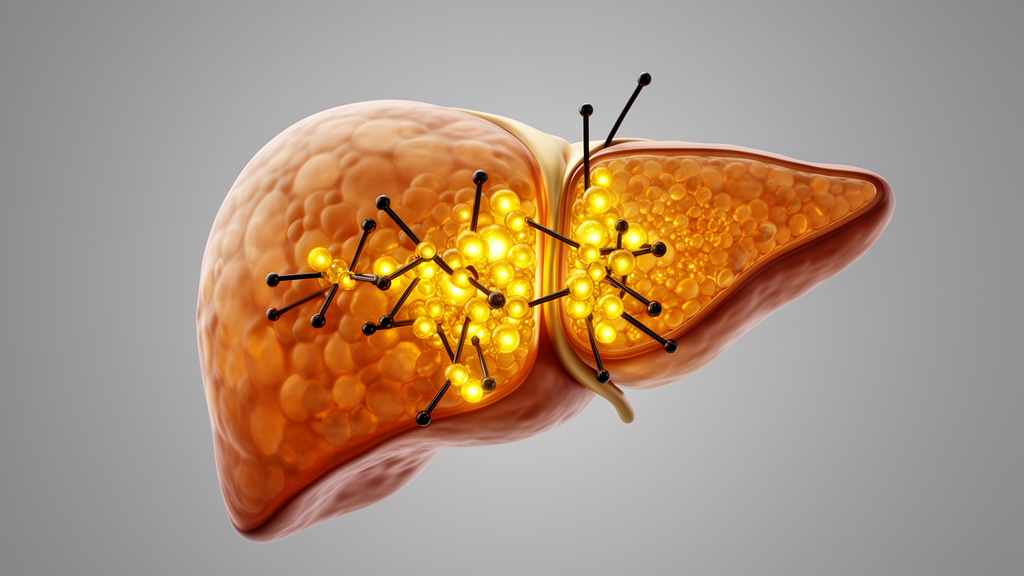
A pair of humble kitchen molecules may be doing far more than adding color and heat to a curry. In a new rat study published in BMC Cancer, researchers in India report that curcumin, the golden pigment of turmeric, and piperine, the pungent alkaloid of black pepper, appear to protect the liver from chemically induced hepatocellular carcinoma, the most common form of liver cancer. The work, led by Nishat Afroz and colleagues at Maulana Azad National Urdu University in Hyderabad and Jamia Hamdard in New Delhi, goes beyond simply showing that the animals fared better. Using immunohistochemistry and Western blotting, the team traced the protective effect to a specific molecular circuit, the TBP2–ASK1–JNK–caspase-3 axis, a signaling chain that governs how stressed liver cells decide whether to survive or self-destruct.
Hepatocellular carcinoma is one of the deadliest cancers worldwide, and its rise is closely tied to chronic liver injury, cirrhosis, and persistent oxidative damage. Because diagnosis often comes late and treatment options are limited, scientists have long been interested in chemoprevention, the idea that compounds taken before disease develops can interrupt the earliest steps of tumor formation. Curcumin has attracted decades of attention for its anti-inflammatory and antioxidant behavior, but it suffers from notoriously poor absorption in the gut. Piperine has a well-documented ability to boost the bioavailability of curcumin, which is why the two are so frequently paired in both traditional cuisine and modern experimental design. The new study set out to test whether that pairing could do more than improve uptake, and whether it could measurably alter the biology of a developing liver tumor.
To model the disease, the researchers induced hepatocellular carcinoma in rats using a two-hit protocol that mirrors how human liver cancer often arises from accumulated toxic insults. Animals first received diethylnitrosamine, or DEN, a potent carcinogen that damages DNA and initiates malignant transformation in hepatocytes. This was followed by thioacetamide, or TAA, a compound that produces repeated cycles of liver injury, fibrosis, and regeneration, creating the inflamed, scarred environment in which initiated cells can proliferate into full tumors. The regimen ran for twenty weeks, a period long enough for tumor burden to become established and measurable. Alongside this carcinogenic exposure, separate groups of rats received oral pretreatment with curcumin alone, piperine alone, or the two compounds in combination, given throughout the entire experimental period.
The damage in the untreated carcinogen group was exactly what the model predicts. Rats exposed to DEN and TAA showed increased tumor burden, sharply elevated liver enzymes in the serum, and a biochemical signature of a liver under siege. Lipid peroxidation, the oxidative degradation of cell membranes, climbed as reactive oxygen species overwhelmed the tissue. The liver’s own antioxidant defenses, the enzymatic systems that normally neutralize free radicals, were depleted. Alpha-fetoprotein, a classic tumor marker for hepatocellular carcinoma, rose in the bloodstream, and interleukin-6, a pro-inflammatory signaling molecule implicated in cancer-promoting chronic inflammation, was elevated as well. Under the microscope, the liver architecture was severely distorted, with the organized lobular structure of healthy tissue replaced by the disarray of injury and nodular transformation.
The treatment groups told a strikingly different story. Rats that received curcumin, and to a greater extent those that received curcumin and piperine together, showed improved levels of the key serum biomarkers, better antioxidant status, and reduced lipid peroxidation. Histopathological examination revealed that the normal tissue structure was substantially restored rather than progressively destroyed. In practical terms, the compounds did not merely mask the damage in blood tests; the livers themselves looked measurably healthier. The combination regimen emerged as the most effective intervention, consistent with the idea that piperine’s enhancement of curcumin’s bioavailability translates into a stronger biological effect when the two are administered together.
The mechanistic heart of the paper lies in what the team found when they probed the TBP2–ASK1–JNK–caspase-3 axis in liver tissue. This signaling cascade begins with TBP2, a thioredoxin-binding protein that responds to oxidative stress, and passes through ASK1, a mitogen-activated protein kinase kinase kinase also known as MAP3K5, which becomes activated when its inhibitory thioredoxin partner is oxidized and released. Activated ASK1 phosphorylates downstream JNK, the c-Jun N-terminal kinase, which in turn influences the mitochondrial pathway of apoptosis, ultimately engaging caspase-3, the executioner enzyme that dismantles the cell. In the carcinogen-exposed rats, this axis was dysregulated, a disruption that matters because the balance of this pathway determines whether damaged cells are eliminated by programmed cell death or allowed to survive and accumulate the mutations that drive cancer.
Preventive treatment with curcumin and piperine normalized the expression of the proteins in this cascade, restoring a pattern of cellular signaling and apoptosis closer to that of healthy liver tissue. The authors interpret this as evidence that the chemopreventive effect of the compounds is not a vague antioxidant blanket but a targeted modulation of a defined stress-response pathway. By damping the oxidative stress that activates ASK1 and rebalancing the apoptotic machinery downstream, the treatment appears to preserve the liver’s ability to clear damaged cells while reducing the inflammatory and peroxidative conditions that fuel tumor growth. Immunohistochemistry and Western blotting provided complementary confirmation, mapping where in the tissue the protein changes occurred and quantifying their abundance.
The study was conducted with formal ethical oversight, approved by the Institutional Animal Ethics Committee of Jamia Hamdard under the guidelines of India’s Committee for the Purpose of Control and Supervision of Experiments on Animals, and the work followed ARRIVE reporting standards for animal research. Data were analyzed by one-way analysis of variance followed by Tukey’s post hoc test, with results considered statistically significant at a threshold of p less than 0.05. The authors received no external funding for the study, and the first author was supported by a Junior Research Fellowship from the University Grants Commission. The article was published open access on 9 October 2026, making the full dataset and methods available to researchers anywhere without a subscription.
As with any animal study, the usual caveats apply. A rat model of chemically induced liver cancer, however well constructed, does not reproduce every feature of human hepatocellular carcinoma, which typically develops over decades against a backdrop of viral hepatitis, alcohol-related injury, or metabolic dysfunction. Doses used in laboratory animals often exceed what a person could reasonably obtain from diet alone, and curcumin’s low bioavailability remains a genuine obstacle to clinical translation even when piperine is present. The authors are careful to frame the findings as chemopreventive and hepatoprotective effects observed in an experimental model, associated with modulation of the TBP2–ASK1–JNK–caspase-3 axis, rather than as a demonstrated therapy for established human tumors.
Nevertheless, the study adds a meaningful piece to a growing body of evidence that dietary bioactive compounds can act on specific, measurable molecular targets rather than exerting only diffuse antioxidant effects. If the TBP2–ASK1–JNK–caspase-3 axis proves to be similarly dysregulated in human liver disease, the curcumin–piperine combination, or optimized derivatives of it, could become candidates for controlled trials aimed at preventing the progression of chronic liver injury toward cancer. For now, the image is an appealing one: two molecules that have traveled together through human kitchens for centuries, shown under the strict lens of modern molecular biology to coordinate a defense of the liver’s most vulnerable signaling machinery. The next step will be determining whether that defense survives the journey from the rat liver to the clinic.
Subject of Research: Chemoprevention of hepatocellular carcinoma by curcumin and piperine through modulation of the TBP2–ASK1–JNK–caspase-3 axis in rats
Article Title: Curcumin and piperine modulate the TBP2-ASK1-JNK-caspase-3 axis associated with prevention of DEN and TAA-induced hepatocellular carcinoma in rats
Article References: Afroz, N., Vafa, A., Ghosh, R., Rahaman, P. F., Wajid, S., & Ahmad, A. (2026). Curcumin and piperine modulate the TBP2-ASK1-JNK-caspase-3 axis associated with prevention of DEN and TAA-induced hepatocellular carcinoma in rats. BMC Cancer. https://doi.org/10.1186/s12885-026-17037-4
Image Credits: AI Generated
DOI: 10.1186/s12885-026-17037-4
Keywords: curcumin, piperine, hepatocellular carcinoma, chemoprevention, liver cancer, oxidative stress, ASK1, JNK, caspase-3, apoptosis, diethylnitrosamine, thioacetamide
Cite Scienmag News
Nathaniel Bowman. (October 9, 2026). Turmeric Compound and Black Pepper Molecule Team Up to Block Liver Cancer in Rats. Scienmag. https://scienmag.com/turmeric-compound-and-black-pepper-molecule-team-up-to-block-liver-cancer-in-rats/
Nathaniel Bowman. "Turmeric Compound and Black Pepper Molecule Team Up to Block Liver Cancer in Rats." Scienmag, 9 October 2026, https://scienmag.com/turmeric-compound-and-black-pepper-molecule-team-up-to-block-liver-cancer-in-rats/. Accessed 9 October 2026.
Nathaniel Bowman. "Turmeric Compound and Black Pepper Molecule Team Up to Block Liver Cancer in Rats." Scienmag. October 9, 2026. https://scienmag.com/turmeric-compound-and-black-pepper-molecule-team-up-to-block-liver-cancer-in-rats/


